Portable Handwash Station: On-Site Hygiene for Construction and Outdoor WorkIntroduction and Market Relevance
Across Canadian construction sites, outdoor events, and remote work locations, access to handwashing facilities is often limited. Workers handle materials, operate equipment, and then eat meals without proper hand hygiene. A portable handwash station provides self-contained handwashing for two users simultaneously. Canadian contractors, event organizers, and facility managers use these units to meet health regulations and protect worker wellness.
Provincial occupational health and safety regulations require employers to provide adequate handwashing facilities where workers may be exposed to hazardous materials or where sanitation is essential. Portable stations allow compliance on sites where plumbing is unavailable.
Common Applications and Design Features
Portable handwash stations are commonly used for:
- Construction site worker hygiene
- Outdoor events and festivals
- Emergency response staging areas
- Agricultural and forestry operations
- Industrial facility temporary work zones
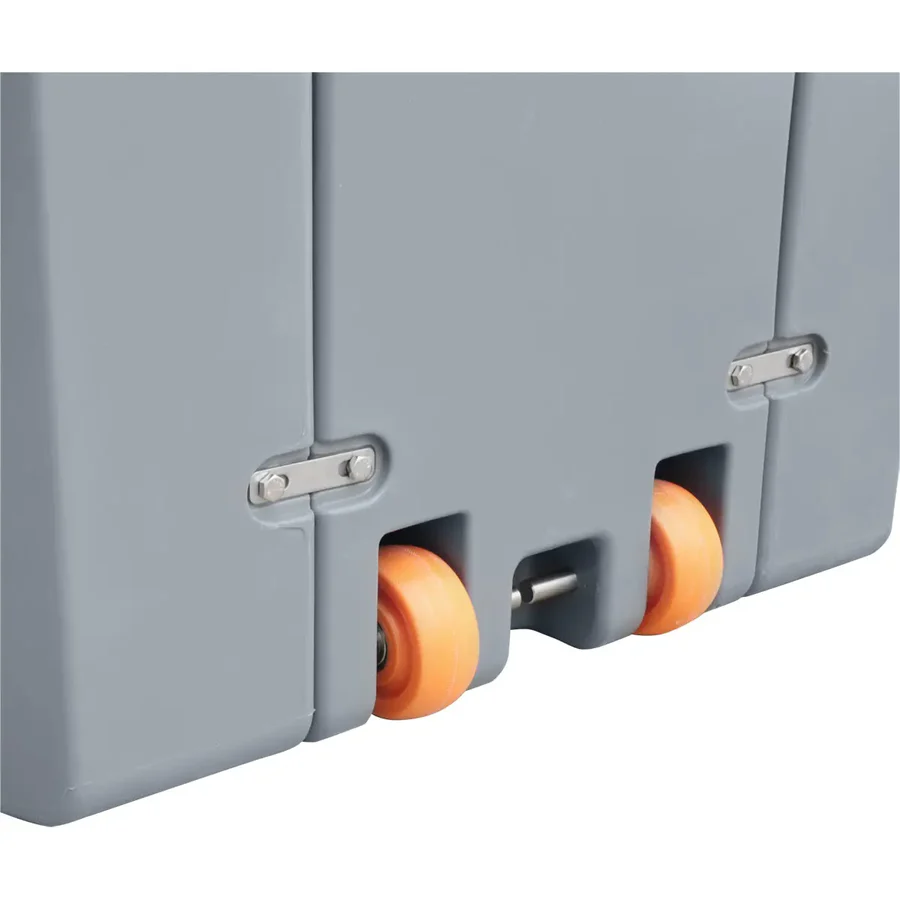
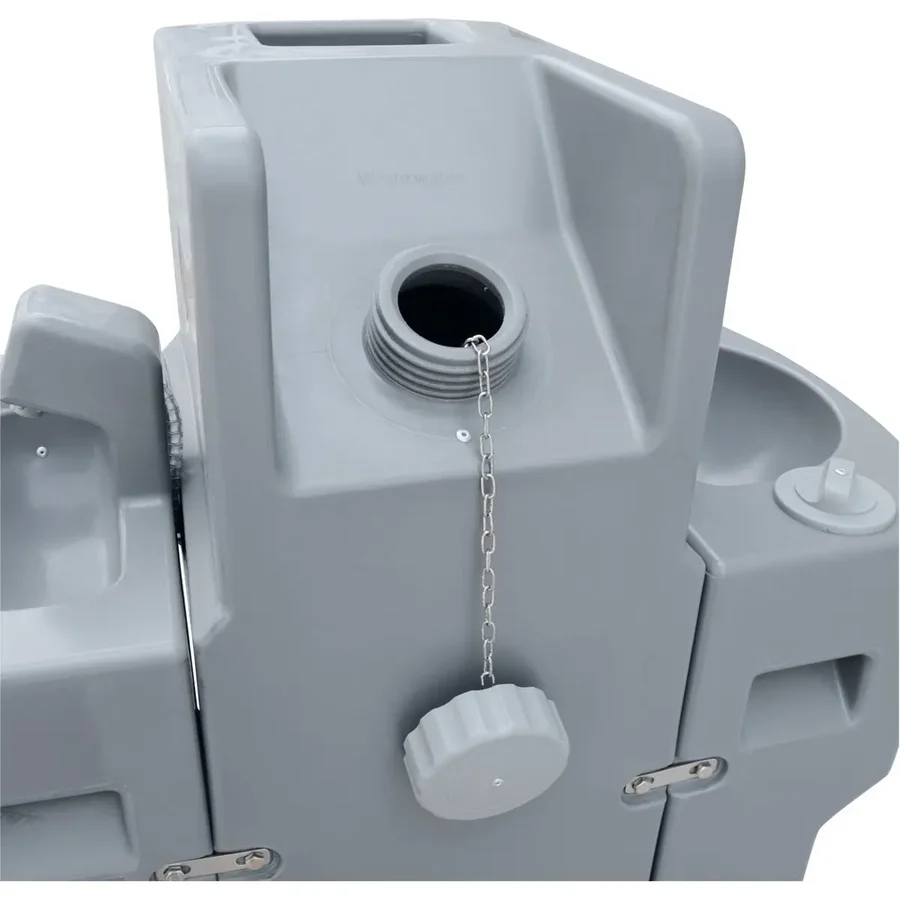
The unit features two separate fresh water tanks, one on each side, providing 17 gallons per user. The combined 35 gallon waste tank captures used water. Foot pedal operation allows hands-free faucet control, preventing cross-contamination. High-density polyethylene construction resists impacts and weather damage. Integrated wheels enable easy relocation.
Health Benefits and Disease Prevention
Proper handwashing is one of the most effective ways to prevent the spread of infectious diseases. Workers who handle shared equipment, touch contaminated surfaces, or work in dusty environments benefit from regular handwashing before eating or using restrooms.
On construction sites, workers may be exposed to chemicals, adhesives, and other hazardous materials. Removing these residues before eating reduces ingestion risk. During cold and flu season, hand hygiene reduces absenteeism caused by illness.
Operational Efficiency and Site Compliance
Having handwashing facilities on-site reduces time workers spend leaving the site to find restrooms. A two-person unit allows multiple workers to wash up quickly during breaks, maintaining productivity. The 35 gallon waste tank capacity supports extended use before servicing is required.
For event organizers, portable handwash stations demonstrate commitment to attendee welfare. Food vendors are required to provide handwashing for staff. These units fulfill that requirement without permanent plumbing installation.
Technical Principles and Operational Considerations
Several factors affect handwash station performance and usability. Fresh water tanks must be filled before use. The waste tank requires emptying when full. Foot pedal operation controls water flow, reducing waste compared to continuous flow faucets. Soap dispensers mounted on both sides encourage proper handwashing technique.
Proper placement is important for effective use. Stations should be located near eating areas, portable restrooms, and high-traffic work zones. The unit should be placed on level ground to prevent tipping and ensure proper drainage.
Safety Practices and Maintenance Guidelines
Effective use of a portable handwash station requires several key practices:
- Refill fresh water tanks before each shift
- Empty waste tank when reaching capacity
- Refill soap dispensers regularly
- Clean station exterior weekly with disinfectant
- Inspect for damage before each use
Operators should use potable water for fresh tanks. Waste water should be disposed of according to local regulations. In freezing temperatures, tanks should be drained to prevent damage. The foot pedal mechanism should be lubricated annually.
Advantages and Limitations
Advantages of a portable handwash station include:
- Two-person simultaneous use capacity
- 35 gallon total fresh water storage
- 35 gallon waste tank capacity
- Foot pedal operation for hands-free use
- HDPE construction for weather resistance
- Integrated wheels for mobility
- Dual soap dispensers included
Limitations to consider:
- Requires regular water refilling and waste disposal
- Not for use in freezing temperatures without draining
- Foot pedal requires periodic lubrication
- Plastic construction may crack from heavy impacts
- Soap dispensers require refilling
Real-World Application Example
A Canadian construction company in Alberta managed a 150-day highway project with 30 daily workers. Portable restrooms were available but no handwashing was provided. Workers ate lunch with unwashed hands after handling materials. The company purchased two portable handwash stations. Workers washed hands before breaks and after using restrooms. Reported gastrointestinal illness dropped by 75 percent. The project passed health inspection without violations.
Conclusion and Future Outlook
Portable handwash stations enable Canadian employers to provide essential hygiene facilities on sites without plumbing. The combination of foot pedal operation and large tank capacity makes these units practical for daily use by multiple workers. As workplace health regulations continue emphasizing infectious disease prevention, demand for portable handwashing will likely grow. Future designs may include solar-powered water heating for cold weather use and automatic soap dispensing.