How to Access School Reports and Performance Metrics Complete Information – Shala Darpan
Introduction
Understanding how a school performs academically, socially, and resource-wise is crucial for parents, students, and educators alike. School reports and performance metrics provide a clear snapshot of a school’s strengths and areas that may need improvement. How to Access School Reports and Performance Metrics. These reports often include data on test scores, graduation rates, attendance, and available programs, helping families make informed choices and educators target support effectively.
In today’s digital age, accessing these reports has become easier than ever, with many schools and districts making this information available online. In this post, we’ll walk you through where to find school performance data, how to interpret it, and ways to use this information to support student success. Whether you’re a parent wanting to monitor your child’s school progress, or a student curious about school rankings, understanding these metrics can give you valuable insights.
What is “How to Access School Reports and Performance Metrics”?
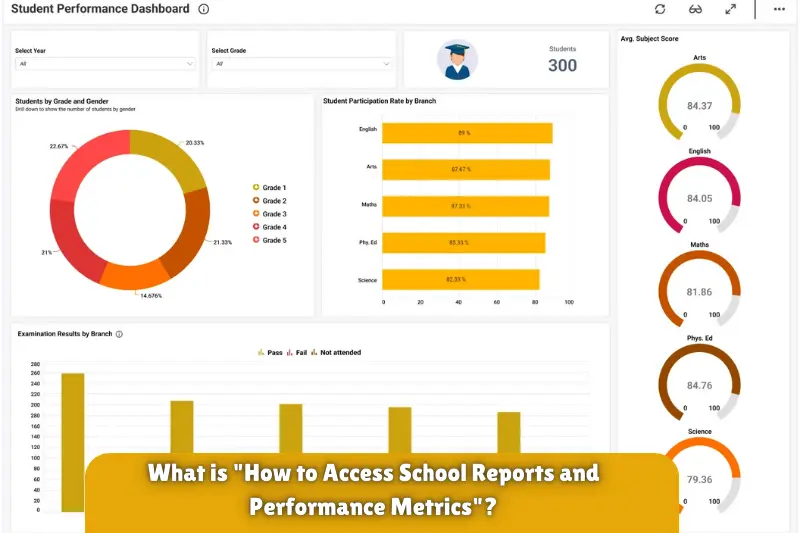
“How to Access School Reports and Performance Metrics” is all about understanding where to find and how to interpret the data that schools publish to showcase their performance. These reports provide key insights into various aspects of a school’s operations and success, such as academic achievement, graduation rates, attendance levels, and available programs. For parents, this information is invaluable when selecting a school or tracking their child’s educational progress. For educators, it highlights areas that need support or improvement.
Accessing this information has become increasingly straightforward, with resources like school and district websites, state education department portals, and national databases all offering easy access to school metrics. Learning how to navigate these resources allows families and communities to stay informed and engaged in the quality of education being provided. This process of accessing and using performance data helps ensure accountability, improvement, and a stronger, more supportive environment for student learning and development.
Why Is Accessing School Reports and Performance Metrics Important?
Accessing school reports and performance metrics is essential for families, students, educators, and communities. These metrics provide transparency, allowing everyone involved to make informed decisions and actively contribute to the educational experience. Here are some key reasons why understanding and utilizing this data matters:
Informed Decision-Making for Families
- Choosing the Right School: Performance metrics help parents compare schools and choose the best fit for their child’s needs.
- Tracking Academic Progress: Families can monitor how well the school is supporting student success over time.
- Identifying Areas for Support: Data highlights areas where additional support may be needed, such as tutoring or extracurricular activities.
Accountability and Improvement for Schools
- Highlighting Strengths and Weaknesses: Schools can identify areas where they excel and areas that need improvement, enabling focused development efforts.
- Setting Improvement Goals: Data-driven goals help schools prioritize resources and implement strategies to address specific challenges.
- Engaging with the Community: When schools share their metrics, they demonstrate transparency and accountability to parents, students, and the broader community.
Empowering Educators and Staff
- Improving Teaching Strategies: Performance data can guide teachers in adapting instructional methods to improve student outcomes.
- Targeting Student Needs: Metrics on attendance, test scores, and other factors help educators pinpoint which students may require extra support.
- Professional Development: Identifying gaps in performance data can lead to targeted training opportunities for teachers and staff.
Enhancing Student Success and Well-being
- Personalized Learning Goals: Students can better understand their own performance and set goals to improve.
- Encouraging Accountability: Knowing that their progress is being tracked can encourage students to take ownership of their learning journey.
- Supporting Holistic Development: Reports often cover extracurricular offerings, safety metrics, and other aspects that impact overall student experience and well-being.
Building Stronger Communities
- Community Engagement: When communities are informed, they can actively participate in supporting local schools through events, funding, and volunteer efforts.
- Promoting Equity: Access to school data can highlight disparities in resources or outcomes, fostering discussions around equity and inclusion in education.
- Long-term Investment: Quality schools strengthen communities, leading to higher property values and greater civic pride.
Where to Find School Reports and Performance Data
Provide guidance on the different resources available for accessing school performance metrics.
- School Websites: Many schools publish annual reports and performance data on their official websites. Include steps for navigating to these sections.
- Local School District Portals: Explain that most districts have online portals where parents and community members can access school data.
- State Department of Education Websites: State education departments often publish data on every public school, including performance metrics and ratings.
- National Databases: Mention resources like the National Center for Education Statistics (NCES) and GreatSchools.org, where users can compare schools by location and metrics.
- Parent-Teacher Conferences: Encourage parents to ask for performance metrics or data insights at conferences if they are not easily accessible online.
How to Interpret School Reports and Metrics
Guide readers through the process of understanding and analyzing school data. Offer tips to make it less overwhelming.
- Look for Trends: Are scores improving over time? Consistent trends provide a clearer picture of a school’s direction.
- Compare Similar Schools: Compare data with similar schools (based on size, location, or demographics) to understand performance.
- Focus on Key Metrics: Identify metrics that matter most to your needs, like test scores for academics or graduation rates.
- Ask Questions: If data isn’t clear, reach out to school administrators or educators for clarification.
Using School Performance Data to Support Student Success
Share practical ways to use this data constructively:
- For Parents: Use performance data to discuss educational goals with children and seek additional resources if needed.
- For Students: Encourage students to set academic goals based on strengths and areas for improvement highlighted in the data.
- For Educators: Teachers can use performance metrics to adjust teaching methods, identify trends in student learning, and implement targeted interventions.
Tips for Monitoring Ongoing School Performance
- Subscribe to Updates: Many schools offer email notifications or newsletters with performance updates.
- Use Digital Portals Regularly: Parent or student portals often provide real-time data on grades, attendance, and behavior.
- Attend School Board Meetings: School board meetings often discuss performance data and future plans, offering transparency.
Frequently Asked Questions (FAQs)
How can I access my child’s school performance report?
Most schools publish their performance reports online, either on the school’s website or the district’s portal. You can also contact the school administration directly to request a copy or ask where to find the latest performance data.
What are some key metrics I should look for in a school report?
Some of the most important metrics include test scores, graduation rates, student-teacher ratios, attendance rates, and available resources or programs. These give you insights into academic success, student engagement, and the level of support available.
Why are school performance metrics important for parents?
School metrics help parents understand the quality of education, academic outcomes, and resources a school provides. This information allows parents to make informed decisions, support their child’s learning, and advocate for improvements if needed.
How often are school reports updated?
Most school reports and performance metrics are updated annually, though some schools and districts may update certain data, like attendance rates, more frequently. Check with your school or district for specific update schedules.
Can I compare the performance of different schools?
Yes, many state and national databases allow you to compare the performance of schools based on various metrics. Websites like GreatSchools.org or the National Center for Education Statistics (NCES) offer tools for comparing schools within and across districts.
Are private school reports available to the public?
Private schools may not be required to publish performance data in the same way public schools do. However, some private schools do provide reports or performance summaries on their websites. You can also contact the school directly to inquire about performance data.
What should I do if I don’t understand some of the data in the report?
If you find certain metrics or terms confusing, reach out to your school administration or teacher for clarification. Schools are usually open to explaining performance data and helping parents and students understand it better.
How can students use school performance metrics to improve their learning?
Students can look at metrics like test scores, attendance, and overall school performance to set personal goals, identify strengths and areas for improvement, and take greater ownership of their education.
Do all schools provide the same types of performance metrics?
While many metrics are common, such as test scores and graduation rates, some schools may include unique data based on their specific programs and resources. Private and charter schools, for example, might have different types of data or reporting standards.
Can community members access local school performance reports?
Yes, in many cases, school performance reports are accessible to the public, especially for public schools. State education websites, district portals, and national databases often allow community members to view school performance data.
Conclusion
Accessing and understanding school performance reports and metrics is a valuable tool for parents, students, and educators. These reports provide clear insights into a school’s strengths and areas for improvement, helping families make informed choices and schools target resources effectively. By staying informed, you can support a stronger, more successful learning environment that promotes growth for every student. Taking the time to explore these metrics empowers everyone involved to contribute positively to the educational journey.
Bonus Points
- Easy Online Access: Many schools and districts provide performance data on their websites, making it easy to find information without needing to visit in person.
- Comparison Tools: Resources like GreatSchools.org and state education websites often allow side-by-side comparisons of multiple schools, simplifying the decision-making process for parents.
- Encourages Student Accountability: Reviewing school metrics can help students understand their role in the school’s success and motivate them to perform better academically.
- Supports Personalized Learning: Access to performance data helps teachers tailor learning experiences to address specific needs and strengths within the student body.
- Builds Community Engagement: Transparent data fosters trust and involvement from the community, encouraging local support and partnerships that can enhance school programs.
- Promotes Continuous Improvement: Regular performance reporting allows schools to set achievable goals, track progress, and make necessary adjustments, leading to continuous growth and development.
- Highlights Extracurricular Value: Some school reports include information about extracurricular activities, showcasing how these programs contribute to a well-rounded education.