Essential Resources for New Teachers: Tools to Enhance Classroom Management – Shala Darpans
Introduction
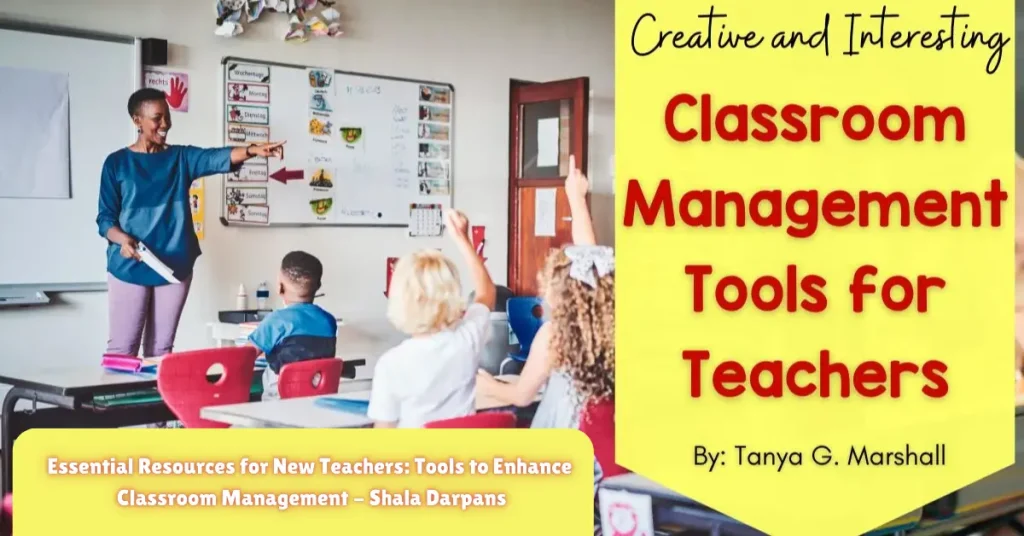
Starting your journey as a new teacher can be both exciting and a little daunting. One of the biggest challenges you’ll face is managing your classroom effectively. Essential Resources for New Teachers: Tools to Enhance Classroom Management Classroom management is crucial for creating a positive learning environment where students feel safe, engaged, and ready to learn. Having the right resources can make a huge difference in how smoothly your classroom runs.
In this blog post, we’ll explore essential resources and tools that can help you enhance your classroom management skills, making your teaching experience more enjoyable and successful. Whether you’re looking for behavior management strategies, organizational tools, or ways to connect with parents, we’ve got you covered!
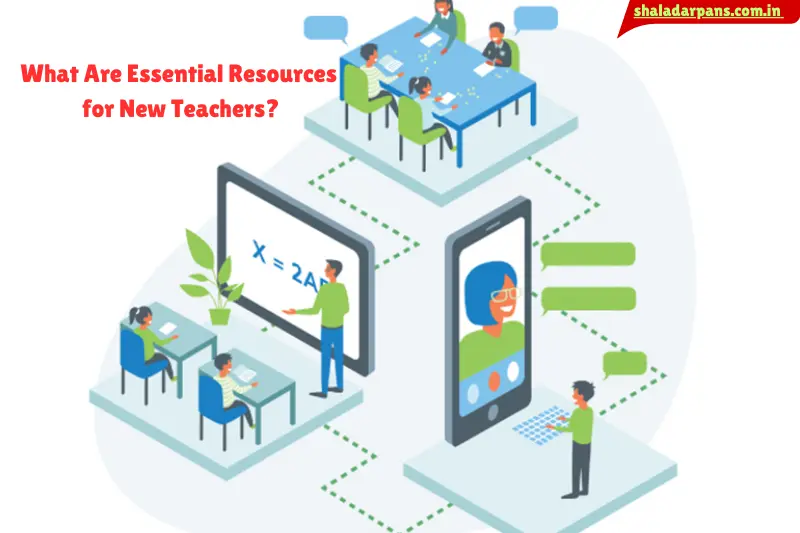
What Are Essential Resources for New Teachers?
Essential resources for new teachers refer to the various tools, materials, and support systems that can help them effectively manage their classrooms and enhance their teaching practices. These resources play a crucial role in making the transition into teaching smoother and more effective. Here are some key categories of essential resources that every new teacher should consider:
Behavior Management Tools
- These resources help establish and maintain a positive classroom environment. They can include:
- Behavior charts: Visual aids that track student behavior and encourage positive actions.
- Reward systems: Incentives for good behavior, such as sticker charts or classroom points that can be redeemed for rewards.
- Classroom rules: Clearly defined expectations that help students understand what is acceptable behavior.
Organizational Tools
- Staying organized is vital for managing a classroom effectively. These tools can help new teachers keep track of lessons, schedules, and student progress:
- Planners and binders: To organize lesson plans, schedules, and important documents.
- Seating charts: To arrange student seating for optimal learning and to manage classroom dynamics.
- Digital management systems: Online platforms that help manage assignments, grades, and communication with students and parents.
Communication Tools
- Maintaining open communication with students and their families is essential. These resources facilitate collaboration and feedback:
- Classroom communication apps: Tools like ClassDojo or Remind that allow teachers to easily share updates, send messages, and communicate with parents.
- Newsletters: Regular updates sent home to keep parents informed about classroom activities and important announcements.
Instructional Resources
- Resources that support teaching and learning can enhance the educational experience for students:
- Lesson planning websites: Platforms like Teachers Pay Teachers or Pinterest where teachers can find creative lesson plans and teaching materials.
- Educational apps and software: Interactive tools that engage students and reinforce learning in a fun way.
Professional Development Resources
- Continuous growth as an educator is important. These resources can help new teachers develop their skills:
- Workshops and conferences: Opportunities to learn from experienced educators and network with peers.
- Online courses: Platforms like Coursera or edX that offer courses on various teaching strategies and classroom management techniques.
Key Tools for Classroom Management
Effective classroom management is crucial for creating a positive and productive learning environment. Here are some key tools that can help new teachers manage their classrooms effectively:
Behavior Management Tools
- Behavior Charts: Visual aids that display student behavior, helping to track positive and negative actions. These can motivate students to improve their behavior and understand expectations.
- Reward Systems: Implementing a rewards system, such as earning points or stickers for good behavior, encourages students to engage positively and adhere to classroom rules.
- Classroom Rules: Clearly defined rules that are displayed in the classroom can help students understand what is expected of them. Consistently enforcing these rules promotes a respectful and orderly classroom atmosphere.
Organizational Tools
- Planners and Binders: A well-organized planner can help teachers keep track of lesson plans, student assignments, and important deadlines. Binders can be used to store and categorize materials, making it easy to find resources when needed.
- Seating Charts: Creating seating arrangements that promote a conducive learning environment can help manage classroom dynamics and minimize distractions.
- Digital Management Systems: Online platforms, such as Google Classroom or Schoology, can streamline the management of assignments, grades, and communication with students and parents.
Communication Tools
- Classroom Communication Apps: Tools like ClassDojo, Remind, or Seesaw facilitate communication between teachers, students, and parents. These apps enable teachers to send messages, share updates, and provide feedback on student progress.
- Newsletters: Sending regular newsletters or updates to parents can keep them informed about classroom activities, upcoming events, and important announcements. This fosters a strong home-school connection.
Instructional Resources
- Lesson Planning Websites: Websites like Teachers Pay Teachers or Share My Lesson offer a wealth of ready-made lesson plans and teaching resources that can save time and inspire creativity in lesson design.
- Educational Apps and Software: Interactive apps, such as Kahoot! or Quizlet, can engage students in learning through games and quizzes. These tools make learning fun while reinforcing concepts and skills.
Assessment and Feedback Tools
- Formative Assessment Tools: Tools like Exit Tickets, Google Forms, or Poll Everywhere can help teachers gauge student understanding and adjust instruction as needed.
- Feedback Systems: Providing timely and constructive feedback through digital platforms can help students track their progress and encourage improvement.
Strategies for Effective Classroom Management
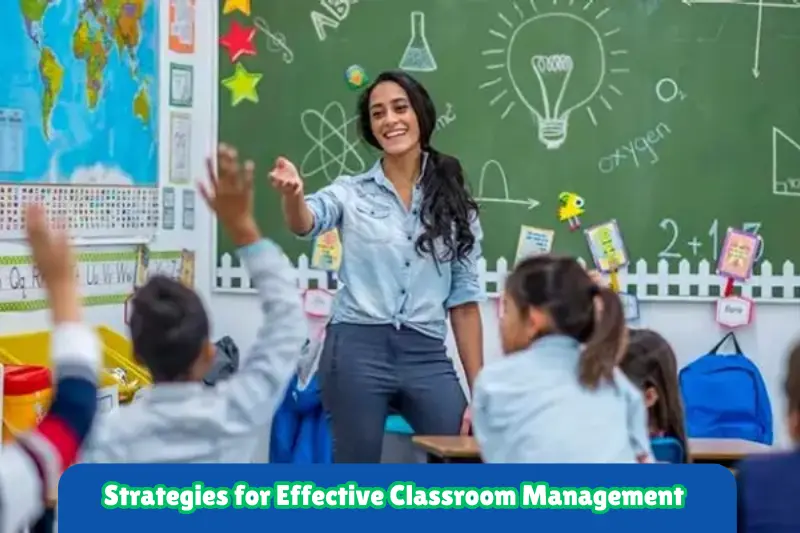
- Effective classroom management involves a combination of strategies that help maintain order, promote positive behavior, and foster a conducive learning environment. Here are some key strategies that new teachers can implement to enhance
- classroom management:
Establish Clear Expectations
- Set Classroom Rules: Collaboratively create a list of clear, simple rules with your students. Display these rules prominently in the classroom to remind everyone of the expectations.
- Communicate Expectations: Clearly explain what behaviors are acceptable and what consequences will occur for breaking rules. This transparency helps students understand the structure of the classroom.
Build Positive Relationships
- Get to Know Your Students: Take time to learn about your students’ interests, strengths, and challenges. Building rapport creates a trusting environment where students feel valued and understood.
- Use Positive Reinforcement: Recognize and reward positive behavior through praise, privileges, or small rewards. This encourages students to continue exhibiting desirable behavior.
Create an Engaging Classroom Environment
- Incorporate Interactive Activities: Use hands-on activities, group work, and interactive lessons to keep students engaged. An engaging classroom minimizes disruptive behavior and maximizes learning.
- Use Varied Instructional Strategies: Differentiate your teaching by using a mix of lectures, discussions, multimedia presentations, and technology. This variety caters to different learning styles and keeps students interested.
Implement Consistent Routines
- Establish Daily Routines: Consistent routines for starting the day, transitioning between activities, and managing classroom tasks help students know what to expect and reduce anxiety.
- Practice Routines: Regularly practice classroom routines with students, ensuring they understand how to follow them. Consistent reinforcement makes routines second nature.
Manage Time Effectively
- Plan Lessons with Clear Timelines: Establish clear time limits for activities to maintain momentum and prevent off-task behavior. Use timers to visually indicate how much time is left for an activity.
- Be Flexible: While having a plan is important, be prepared to adapt if things aren’t going as expected. Flexibility can help address unforeseen challenges and keep students engaged.
Utilize Proactive Classroom Management
- Monitor Student Behavior: Regularly scan the classroom for signs of off-task behavior. Address issues before they escalate by providing reminders or redirecting students to stay on task.
- Circulate the Classroom: Move around the room during activities to provide support and monitor behavior. Proximity can deter misbehavior and help students feel more accountable.
Handle Disruptions Calmly
- Stay Calm and Collected: If disruptions occur, remain calm and composed. Address the behavior rather than the student, using clear and concise language.
- Implement Consequences Fairly: When consequences are necessary, ensure they are fair and consistent. This helps students understand that rules apply to everyone equally.
Encourage Student Voice and Responsibility
- Involve Students in Decision-Making: Allow students to contribute to classroom rules or choose activities. When students have a voice, they are more likely to take ownership of their behavior.
- Teach Self-Regulation Skills: Provide students with strategies for managing their emotions and behaviors, such as mindfulness techniques or conflict resolution skills.
Strategies for Effective Classroom Management
- Effective classroom management involves a combination of strategies that help maintain order, promote positive behavior, and foster a conducive learning environment. Here are some key strategies that new teachers can implement to enhance
- classroom management:
Establish Clear Expectations
- Set Classroom Rules: Collaboratively create a list of clear, simple rules with your students. Display these rules prominently in the classroom to remind everyone of the expectations.
- Communicate Expectations: Clearly explain what behaviors are acceptable and what consequences will occur for breaking rules. This transparency helps students understand the structure of the classroom.
Build Positive Relationships
- Get to Know Your Students: Take time to learn about your students’ interests, strengths, and challenges. Building rapport creates a trusting environment where students feel valued and understood.
- Use Positive Reinforcement: Recognize and reward positive behavior through praise, privileges, or small rewards. This encourages students to continue exhibiting desirable behavior.
Create an Engaging Classroom Environment
- Incorporate Interactive Activities: Use hands-on activities, group work, and interactive lessons to keep students engaged. An engaging classroom minimizes disruptive behavior and maximizes learning.
- Use Varied Instructional Strategies: Differentiate your teaching by using a mix of lectures, discussions, multimedia presentations, and technology. This variety caters to different learning styles and keeps students interested.
Implement Consistent Routines
- Establish Daily Routines: Consistent routines for starting the day, transitioning between activities, and managing classroom tasks help students know what to expect and reduce anxiety.
- Practice Routines: Regularly practice classroom routines with students, ensuring they understand how to follow them. Consistent reinforcement makes routines second nature.
Manage Time Effectively
- Plan Lessons with Clear Timelines: Establish clear time limits for activities to maintain momentum and prevent off-task behavior. Use timers to visually indicate how much time is left for an activity.
- Be Flexible: While having a plan is important, be prepared to adapt if things aren’t going as expected. Flexibility can help address unforeseen challenges and keep students engaged.
Utilize Proactive Classroom Management
- Monitor Student Behavior: Regularly scan the classroom for signs of off-task behavior. Address issues before they escalate by providing reminders or redirecting students to stay on task.
- Circulate the Classroom: Move around the room during activities to provide support and monitor behavior. Proximity can deter misbehavior and help students feel more accountable.
Handle Disruptions Calmly
- Stay Calm and Collected: If disruptions occur, remain calm and composed. Address the behavior rather than the student, using clear and concise language.
- Implement Consequences Fairly: When consequences are necessary, ensure they are fair and consistent. This helps students understand that rules apply to everyone equally.
Encourage Student Voice and Responsibility
- Involve Students in Decision-Making: Allow students to contribute to classroom rules or choose activities. When students have a voice, they are more likely to take ownership of their behavior.
- Teach Self-Regulation Skills: Provide students with strategies for managing their emotions and behaviors, such as mindfulness techniques or conflict resolution skills.
Building a Support Network for New Teachers
As a new teacher, having a robust support network is essential for navigating the challenges of the classroom. A support network can provide guidance, encouragement, and resources to help you succeed in your teaching journey. Here are some strategies for building a strong support network:
Connect with Colleagues
- Form Relationships with Peers: Get to know your fellow teachers in your school. Establishing friendships can lead to valuable collaborations and sharing of resources.
- Participate in Team Meetings: Engage actively in grade-level or subject-area team meetings. These gatherings are opportunities to share insights, challenges, and best practices with colleagues who understand your specific context.
Seek Mentorship
- Find a Mentor Teacher: Identify an experienced teacher who can provide guidance and support. A mentor can offer practical advice, share lesson plans, and help you navigate the complexities of classroom management and curriculum development.
- Join Mentorship Programs: Many schools have formal mentorship programs for new teachers. Participate in these programs to connect with seasoned educators who can help you grow professionally.
Engage with Professional Organizations
- Join Teaching Associations: Become a member of professional organizations related to your subject area or grade level. These associations often provide resources, professional development opportunities, and networking events.
- Attend Conferences and Workshops: Participate in educational conferences and workshops to meet other educators, learn new strategies, and stay updated on the latest trends in education.
Utilize Online Communities
- Join Social Media Groups: Platforms like Facebook, Twitter, and LinkedIn have groups specifically for teachers. Join these communities to share experiences, ask for advice, and access a wealth of resources.
- Participate in Online Forums: Websites like Edutopia and Teacher.org offer forums where educators can discuss challenges, share resources, and seek support from peers around the world.
Build Relationships with Administrators
- Communicate Regularly with Administration: Establish open lines of communication with your school’s administration. Regularly update them on your progress and challenges, and seek their guidance when needed.
- Participate in School Activities: Engage in school-wide events and initiatives to connect with administrators and staff. Being involved in the school community helps build rapport and support.
Engage Parents and Guardians
- Establish Positive Relationships with Families: Communicate regularly with parents through newsletters, emails, or parent-teacher conferences. Building a rapport with families creates a supportive network that benefits students’ learning.
- Involve Parents in the Classroom: Encourage parents to volunteer or participate in classroom activities. Their involvement can enhance the classroom experience and create a sense of community.
Collaborate with Support Staff
- Work with Special Education and ESL Teachers: Collaborate with special education teachers, counselors, and English as a Second Language (ESL) specialists to address the diverse needs of your students.
- Utilize Resources from School Librarians and Technology Coaches: Librarians and technology coaches can provide valuable resources and support for lesson planning and integrating technology into your teaching.
Practice Self-Care
- Connect with Supportive Friends and Family: Beyond the school setting, maintain connections with friends and family who can offer emotional support and encouragement.
- Join a Teacher Support Group: Consider joining or forming a local support group for teachers. Sharing experiences with others facing similar challenges can be comforting and empowering.
Common FAQs About Building a Support Network for New Teachers
Why is it important to have a support network as a new teacher?
Having a support network is crucial because it provides guidance, encouragement, and resources. It helps you navigate challenges, share ideas, and feel less isolated in your teaching journey.
How can I find a mentor teacher?
You can find a mentor by asking your school administration if they have a mentorship program. Additionally, consider approaching a more experienced teacher you admire and ask if they would be willing to mentor you.
What are some effective ways to connect with colleagues?
Start by introducing yourself and joining conversations during breaks or meetings. Participate in team activities or social events at school to build relationships. Collaborating on projects can also help you bond with your colleagues.
Are there online communities for teachers?
Yes! There are many online communities where teachers can connect. Websites like Edutopia, social media groups on Facebook, and platforms like Twitter are great places to join discussions and share resources.
How do I involve parents in my classroom?
Communicate with parents regularly through newsletters, emails, or during parent-teacher conferences. Encourage them to volunteer for classroom activities or attend school events, fostering a sense of community and collaboration.
What if I feel overwhelmed and need emotional support?
It’s completely normal to feel overwhelmed as a new teacher. Reach out to friends, family, or fellow teachers who can offer support. Consider joining a support group for teachers to share experiences and coping strategies.
How can I maintain a relationship with my mentor or colleagues?
Stay in touch through regular check-ins, whether in person or via email. Attend school events together and collaborate on projects. Sharing successes and challenges can strengthen these relationships.
Can professional organizations help new teachers?
Absolutely! Professional organizations offer resources, training, and networking opportunities. Joining these organizations can connect you with experienced educators and provide access to valuable information.
How do I balance building a support network with my teaching responsibilities?
Start small by dedicating a little time each week to connect with others. Prioritize meaningful interactions and make use of breaks or after-school hours to network without feeling overwhelmed.
What should I do if I encounter challenges within my support network?
If you face challenges, communicate openly and respectfully with those involved. Seek feedback and be willing to adjust your approach. Remember that building a support network takes time and effort, and it’s okay to seek help when needed.
Conclusion
Building a support network is essential for new teachers. It provides you with the guidance, encouragement, and resources you need to thrive in the classroom. By connecting with colleagues, seeking mentorship, and engaging with parents and the community, you can create a strong network that supports your growth and success. Remember, you don’t have to navigate your teaching journey alone. Reach out, share experiences, and build meaningful relationships that will make your teaching experience more rewarding and enjoyable. With a solid support network, you’ll be better equipped to face challenges and celebrate your achievements in education!
Bonus Points for Building a Support Network as a New Teacher
- Share Resources: Your support network can be a treasure trove of teaching materials, lesson plans, and classroom management strategies. Don’t hesitate to share and request resources!
- Collaborative Teaching: Consider team teaching or co-planning lessons with a colleague. This not only enriches your teaching experience but also helps you learn from each other’s strengths.
- Professional Development Opportunities: Your network can keep you informed about workshops, webinars, and courses that can enhance your skills and knowledge.
- Emotional Resilience: Having a support network means you have people to lean on during tough times. Sharing your challenges can help reduce stress and improve your well-being.
- Diverse Perspectives: Connecting with teachers from different backgrounds and experiences can provide you with new ideas and fresh approaches to teaching.
- Networking Beyond School: Your connections can extend beyond your school. Attending conferences or joining online educator communities can introduce you to a wider network of support.
- Increased Confidence: Knowing that you have a support system can boost your confidence as a new teacher. It empowers you to take risks and try new strategies in your classroom.
- Accountability: Having colleagues who understand your goals can help you stay focused and motivated. You can set goals together and check in on each other’s progress.
- Celebrate Successes: A supportive network allows you to celebrate each other’s successes, no matter how small. Sharing achievements can uplift everyone in the group.
- Lifelong Connections: The relationships you build as a new teacher can lead to lifelong friendships and professional connections that benefit your career in the long run.