Buffalo Thunderstacks Slot: A Dance Contest During Movement in the UK

As I investigate the world of modern slot games, I note that themes are developing far beyond simple fruits and lucky sevens https://buffalo-demo.com/buffalo-thunderstacks. The Buffalo Thunderstacks slot game presents a intriguing case study in this development, combining the primal energy of the American plains with a distinctly modern, almost rhythmic gameplay mechanic. The title itself suggests a collision of natural phenomena and structured competition, which is precisely what the game offers. While the core experience is digital, its thematic resonance has triggered an unexpected cultural moment in the United Kingdom, where elements of the game have been integrated into dance competitions and physical activity events. This article will analyze the game’s mechanics, its visual and auditory appeal, and the surprising ways it has surpassed the screen to influence group activities and community events. My aim is to deliver a calm, objective analysis of the slot itself and the organic, player-driven phenomena surrounding it, without exaggerating its presence or commercial intent.
Understanding the Core Gameplay of Buffalo Thunderstacks
To appreciate its broader influence, one must first learn the foundational principles of Buffalo Thunderstacks. The game is a successor of the highly acclaimed Buffalo series, famous for its ‘Xtra Reel Power’ system that replaces conventional win lines with 1,024 ways to win. The core mechanic features the mighty buffalo icon, which acts as a wild symbol and a multiplier function. When spinning the reels, the aim is to get these buffalo icons in stacks, which can cover an entire reel, significantly boosting the potential for payout combinations. The ‘Thunderstacks’ element introduces a engaging mechanic where these stacks can get electrified or upgraded, resulting in re-spins and icon upgrades. The game’s pacing is carefully designed to build suspense; the tumbling reels, the thunderous sound effects when hitting a big payout, and the stunning visuals of stacked wilds are all crafted to provide a potent, sensory-rich experience. It is this rhythmic, pattern-based winning structure that, maybe inadvertently, lends itself to a impression of flow and repeat patterns, aspects that are fundamental to dance and coordinated group activity.
The Importance of Game Icons and Visual Style
The visual concept of Buffalo Thunderstacks exemplifies thematic cohesion. The symbols are not just icons; they are carefully crafted elements of a larger ecosystem. The buffalo itself is rendered with a sense of power and motion, frequently appearing with a glowing aura or crackling energy when part of the Thunderstacks feature. Supporting symbols include eagles, wolves, and mountain lions, all native to the North American plains, alongside traditional card suits styled in a rustic, wooden aesthetic. The background typically features a sweeping vista of prairies under a vast, dramatic sky, hinting at an approaching storm. This artistic direction does more than create an attractive game; it establishes a mood of untamed, natural power. The color scheme of golds, deep blues, and sunset oranges evokes a specific time and feeling, which has proven to be visually stimulating enough for event organizers to draw inspiration from for stage designs and costumes in related dance competitions.
Sound and Haptic Feedback in Player Engagement
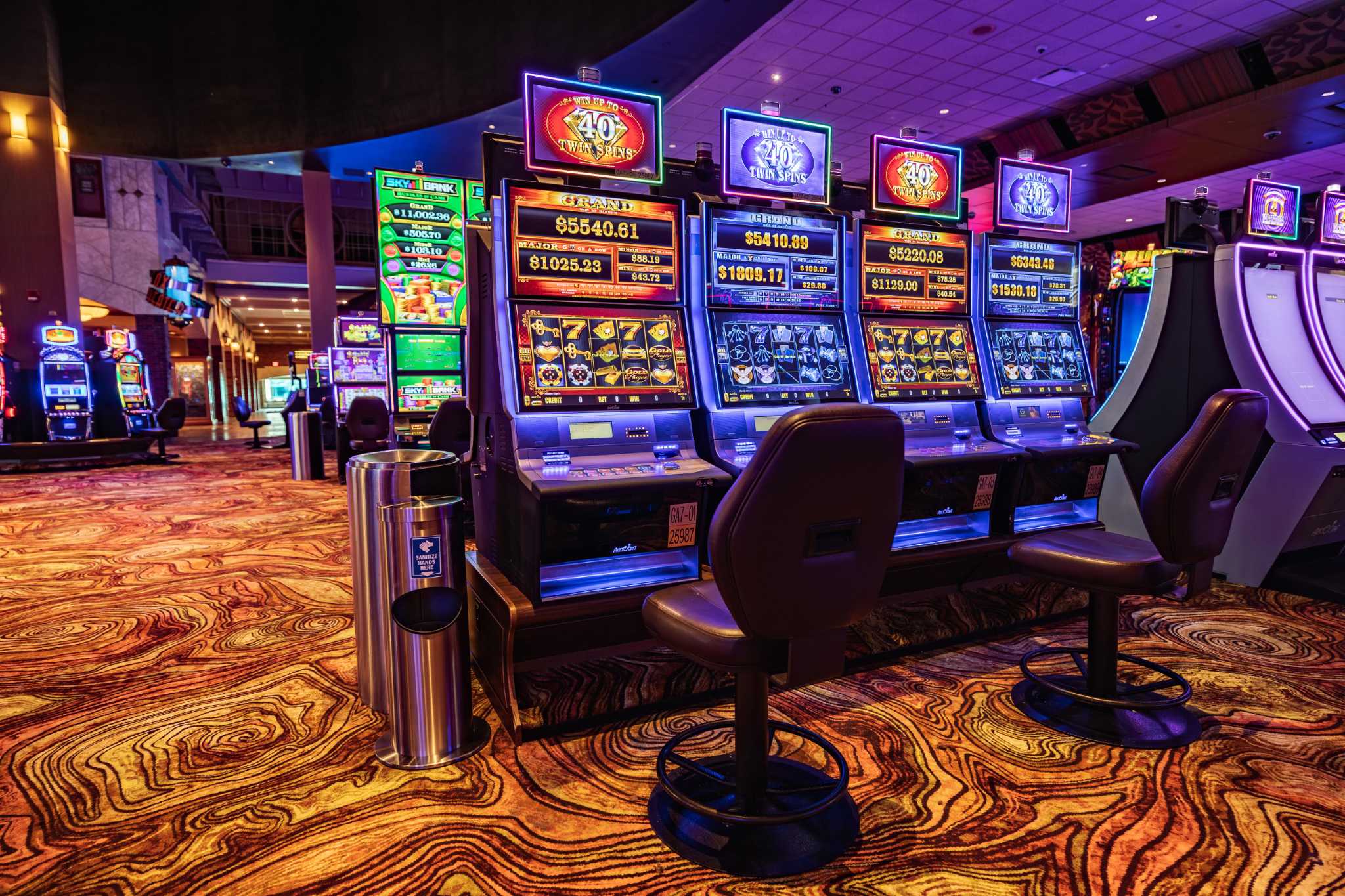
Just as critical to the immersion is the audio landscape. The soundtrack is a blend of ambient wilderness sounds—distant wind, animal calls—and a persistent, rhythmic drumbeat that speeds up during spins and bonus features. Winning combinations are accentuated by sharp, satisfying sounds: the crack of thunder, the call of an eagle, or a triumphant musical flourish. In physical locations, the cabinet itself may include subtle haptic feedback, a vibration that corresponds with a big win or a stack landing. This multisensory engagement is key to the game’s stickiness. It establishes a feedback loop where sight, sound, and touch align to reward the player. This principle of synchronized sensory feedback is notably similar to the core of dance, where movement aligns with music to create a fulfilling experience. It is this underlying similarity in design philosophy that may explain the game’s crossover appeal into physical, rhythm-based activities.
The Unforeseen Crossover into Dance Competitions
One of the most fascinating developments I have seen is the adoption of Buffalo Thunderstacks motifs and energy into the world of dance competitions in the UK. This is not a corporate marketing campaign rather a grassroots, organic movement. Dance troupes, particularly those focusing on contemporary or street dance styles, have begun crafting routines influenced by the game’s themes of ancient force, stacked formations, and dramatic energy outpourings. The concept of “thunderstacks” translates visually into dancers forming looming, coordinated human structures or pyramids, dissolving and reforming in time with music that samples or mimics the game’s dramatic sound effects. The competition element mirrors the slot’s gamble feature, where groups perform “showdown” rounds, improvising to win audience favor. These events are not primarily about betting and more about channeling the game’s aesthetic of unified, driving force into a valid athletic art form, creating a unique subculture that borrows iconography from digital entertainment.
Planned Physical Activity and Community Events
Beyond staged competitions, the impact has filtered into organized physical activity. Fitness instructors and community event organizers have created “Buffalo Blitz” or “Thunderstack Challenge” workouts. These are group fitness sessions that utilize the game’s structure as a template. Imagine a circuit training session where each station is named after a game symbol—the “Buffalo Stampede” for cardio sprints, the “Eagle Soar” for plyometric jumps, the “Wolf Pack” for team-based resistance exercises. The session moves in “spins,” with timed intervals and “stacking” rounds where intensity multiplies. The group dynamic is crucial, fostering a sense of shared endeavor much like the communal atmosphere around a popular slot machine in a social setting. These activities are showcased purely as themed exercise, leveraging the game’s recognizable branding and kinetic energy to motivate participation, especially among demographics familiar with the digital original, thereby promoting physical wellness through a innovative, engaging framework.
Exploring the Societal Dynamics Driving the Trend
What societal forces have enabled a slot game theme to penetrate these physical spaces? From my viewpoint, the answer resides in collective narrative and symbolic power. Buffalo Thunderstacks provides a simple yet compelling narrative: the accumulation of strength (symbolized by stacking) culminating to a peak outburst (the thunder). This narrative arc is universally relatable and deeply impactful. Furthermore, the game’s symbols are iconic and easily transferable. A buffalo silhouette on a t-shirt or an eagle cry in a soundtrack immediately conveys the theme without interpretation. Additionally, the engagement around each the slot and the dance competitions is intrinsically social and spectatorial. People assemble to watch others play slots, similarly to how they gather to watch dance crews or participate in group fitness. The transfer works because the central social dynamics—observation, anticipation, collective reaction—are preserved, just transposed to a new medium with a concentration on skill and physical expression rather than chance.
Comparison Study with Other Gaming-Inspired Activities
This trend is not fully separate. We have seen other digital game franchises motivate real-world activities, such as “Pokémon Go” promoting physical exploration or “Just Dance” turning gameplay into a fitness routine. However, the Buffalo Thunderstacks case is unique. Unlike games designed explicitly for physical activity (like “Just Dance”) or augmented reality (“Pokémon Go”), this slot game was developed purely for casino entertainment. Its crossover is therefore more accidental and culturally interesting. The adaptation is also more abstract; it is not about replicating gameplay but about capturing its essence—the feeling of building power and sudden, gratifying explosions of action. In comparison, a “Mario Kart”-themed running race might use power-ups and characters directly. The Buffalo trend is more about transforming emotional and sensory cues into movement, making it a more interpretive adaptation, led by communities rather than by the game’s original publishers.
The Purpose of Online Networks and Content Production
The proliferation of this phenomenon would be unthinkable without internet channels. Digital groups on social channels have been the key driver. Dancers and workout lovers share short clips of their “Thunderstacks” routines, using relevant hashtags, which then algorithmically connect them to enthusiasts of the slot title. Digital makers on video platforms produce “how-to” videos for the themed exercises or assemble dance tournament recaps to the slot’s official soundtrack. This establishes a recursive pattern: the web presence of the physical activities pulls increased interest to the base slot, and vice-versa. Importantly, this content nearly always focuses on the artistry and athleticism of the activities, purposefully removing itself from betting communications. The community effectively curates its own narrative, casting Buffalo Thunderstacks as a source of creative inspiration for physical expression, a fascinating example of how spectators can reinterpret and recontextualize promotional graphics for their own communal and healthy pursuits.
Expected Benefits and Observed Outcomes
The observed outcomes of this crossover trend are varied. For participants in the dance and fitness activities, the obvious benefits are enhanced physical activity, community building, and creative expression. The themed framework makes exercise or dance practice feel novel and engaging, possibly increasing adherence. For the broader public, it clarifies a slot game’s iconography, associating it with skill and effort rather than just chance. From a cultural perspective, it shows how digital motifs can fuel offline, analog creativity. However, it is crucial to maintain a clear separation; these activities are not endorsements of gambling. Organizers I have seen are typically careful in promoting the physical and artistic elements while avoiding any links to real-money gaming. The outcome is a parallel cultural product that shares aesthetics but diverges completely in intent and execution, a delicate balance that the communities involved have so far managed with notable sensitivity.
Factors for Sustainable Integration
In the future, the sustainability of this integration depends on several factors. The first is the ongoing organic, community-led management of the trend. Should the original brand attempt to formally co-opt or monetize these physical activities, it could damage their authenticity and raise legitimate ethical questions about crossing boundaries. Next, the activities must continue to prioritize their core value—be it dance artistry or physical health—above the thematic branding. The Buffalo Thunderstacks theme should remain a wrapper, not the substance. Finally, as with any trend rooted in a commercial product, its staying power is tied to the ongoing popularity of the source material. Yet, the principles it showcases—how rhythmic game mechanics, powerful visuals, and communal reward systems can inspire real-world movement—are likely to survive this specific example. This case study presents a blueprint for how other abstract game themes could potentially be harnessed for positive, social, and physical applications, provided the focus remains firmly on the activity itself.