How to Keep Fast-Paced Slot Entertainment More Deliberate
Fast-paced slot games are designed around short rounds, vivid feedback, and continuous interaction, which can make time feel less noticeable. Someone exploring these games through pg99.com can benefit from a deliberate approach that treats session management as part of the entertainment itself. The goal is not to remove enjoyment but to keep decisions visible, planned, and connected to personal limits.
Slot-style games are chance-based entertainment, so interface quality should be judged separately from any expectation of winning. Users can compare rule clarity, control design, session tools, and mobile performance, while remembering that past results do not predict future random outcomes. A good experience makes costs and mechanics understandable instead of encouraging assumptions.
Decide on Boundaries Before the Session Starts
Pre-commitment reduces in-the-moment pressure
It is easier to set a time or spending boundary before opening a game than after becoming absorbed in repeated rounds. Personal limits can be written down or configured using account tools where available.
The important point is to choose a boundary that does not depend on the result of the next spin. A limit works best when it is treated as a firm endpoint rather than a target that can be extended after a loss or win.
Watch the Total Bet, Not Just the Denomination
Small numbers can add up quickly
A low denomination does not automatically mean a low total bet. Multiple lines, features, or bet levels can change the amount used in each round, so users should read the total-bet display rather than relying on one number.
Checking the total before starting and after every settings change keeps the session easier to understand. This is especially useful on interfaces where several numeric values are displayed together.
Quick points to remember
- Set a spending and time limit before starting.
- Check the total bet after every settings change.
- Schedule breaks during fast-paced play.
Use Natural Breaks Instead of Continuous Play
Stepping away at planned intervals makes it easier to notice elapsed time and review activity. A short break can interrupt the automatic rhythm that fast-paced games sometimes create.
Pauses restore perspective
Session reminders can help, but users can also set their own external timer. The specific method matters less than having a clear point where play stops long enough for a conscious decision about whether to continue.
Comparison at a glance
| Habit | Purpose | Simple Method |
|---|---|---|
| Pre-set limits | Defines boundaries early | Use account tools or a written cap |
| Breaks | Interrupts automatic play | Set a timer |
| Bet review | Keeps cost visible | Read the total-bet field |
| Activity review | Shows real patterns | Check account history |
Do Not Treat Outcomes as a Recovery Plan
Each round should be understood on its own
Trying to recover previous losses by increasing the pace or bet size can turn entertainment into a stressful cycle. Random game outcomes do not become more predictable simply because of what happened in the previous round.
A healthier approach is to separate the entertainment budget from other money and accept the preset limit as the maximum cost of the session.
Practical checklist
- Avoid increasing bets to recover earlier losses.
- Review account activity and use cooling-off tools when needed.
Review Activity Afterward
History can reveal patterns that memory misses
Account activity and transaction history can provide a more accurate picture than memory alone. Reviewing time, deposits, and session behavior can help users decide whether their original boundaries were realistic.
If a pattern starts to feel difficult to control, taking a longer break or using cooling-off and self-exclusion tools can be appropriate. Support resources should be considered whenever gambling begins to affect finances, mood, work, or relationships.
Applying the Ideas in Practice
Define what a successful session means before it begins
A responsible session can be defined by following a plan rather than by winning money. Users can decide in advance that success means staying within the chosen time and spending limits, taking scheduled breaks, and stopping at the planned endpoint. This definition removes pressure to chase a financial result and makes the session easier to evaluate afterward.
Use external reminders as well as platform tools
Account-based limits and reminders are useful, but an external phone timer or calendar alert can add a second layer of awareness. The reminder should signal a genuine pause rather than a quick dismissal. Standing up, checking the time, and reviewing the remaining entertainment budget can interrupt the automatic rhythm that fast games sometimes create.
Recognize warning signs early
Repeatedly extending limits, borrowing money, hiding activity, chasing losses, or feeling unable to stop are signs that gambling is no longer functioning as controlled entertainment. Users who notice these patterns should step away and consider stronger tools such as cooling-off periods or self-exclusion. Independent gambling-support services can also provide confidential help and practical advice.
Review decisions without blaming outcomes
After a session, the useful questions are whether the planned limits were respected and whether decisions remained deliberate. A win does not make risky behavior responsible, and a loss does not automatically mean the plan was poor. Focusing on choices rather than outcomes gives users a more consistent way to assess their behavior and decide whether changes are needed next time.
Keep the entertainment budget separate
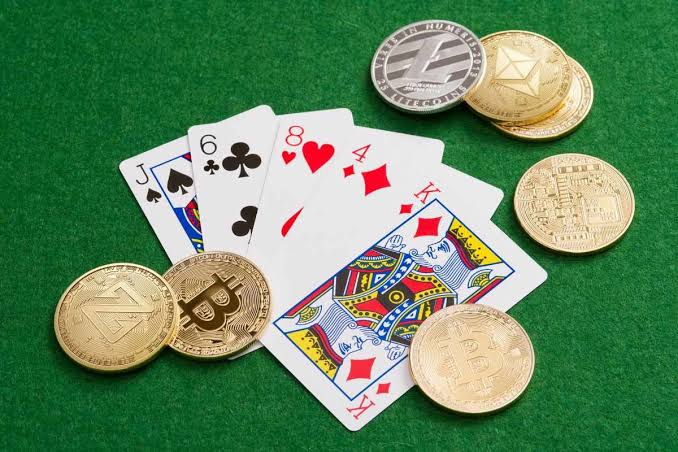
A practical budgeting approach is to decide in advance what amount can be spent purely on entertainment without affecting bills, savings, debt payments, or other priorities. Keeping that amount separate makes it easier to recognize the real cost of a session. It also reduces the temptation to add more money simply because a game has produced a disappointing result. Random outcomes should never be treated as a financial plan.
Read history as information, not prediction
Game and account history can help users understand what they have already spent and how long they have been active, but it should not be used to predict the next random outcome. A sequence of wins or losses does not guarantee that the opposite result is about to occur. History is most valuable as a record for self-management, especially when paired with time and spending limits.
Questions Worth Asking Before You Continue
Do I understand the total cost per round?
Confirm the total-bet display after any change to denomination, line settings, or optional features. Do not rely on one small number on the screen.
Am I treating randomness correctly?
Previous outcomes do not make a future win or loss due. Use history to review activity, not to predict what will happen next.
Final Quality Check
A final review should connect mechanics with personal limits. Confirm the total bet, read the feature rules, note the session time, and make sure the planned spending boundary has not changed simply because the game is moving quickly. If any number or feature is unclear, pause and reopen the information panel. Slot entertainment is easier to manage when users repeatedly return to visible rules and preset limits instead of making decisions based on recent random outcomes.
One More Practical Point
Users should also remember that interface familiarity can be useful. Learning where rules, bet information, history, and exit controls are located makes it easier to pause and review decisions, especially when a game uses fast animations or frequent feature changes.
Conclusion
Fast-paced slot entertainment is easier to keep in perspective when limits, breaks, total-bet awareness, and activity review are built into the routine. Random outcomes should never be treated as a dependable way to recover previous losses, and users should use cooling-off or support tools if control becomes difficult. These principles apply equally when browsing Nổ hũ pg99, where responsible use should remain more important than the speed of the game.