Important Benefits of Flexible Cloud Architecture Frameworks
Introduction
Modern software businesses need technology that can grow as quickly as their ideas. A flexible cloud architecture framework provides the foundation for building reliable, secure, and scalable software products without unnecessary complexity. Whether a startup is creating its first application or an established company is expanding into new markets, cloud architecture allows teams to adapt to changing customer needs while maintaining high performance. Companies like SaaS Software Core understand that successful software development depends on combining secure infrastructure, enterprise-grade engineering, and proven growth strategies that help founders move from concept to market faster.
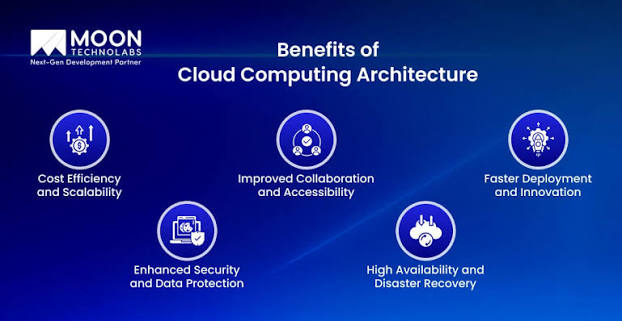
Flexible cloud architecture also plays a key role when businesses deploy product solutions efficiently. Instead of rebuilding infrastructure every time new features are released, organizations can use modular cloud environments that support rapid updates, continuous integration, and reliable scaling. This approach reduces technical risk, improves development speed, and creates a stronger foundation for long-term business success. As competition continues to increase across the SaaS industry, companies that invest in flexible cloud frameworks gain a significant advantage through faster innovation, better security, and improved customer experiences.
Why Flexible Cloud Architecture Matters for SaaS Growth
Every successful SaaS company depends on an infrastructure that supports continuous innovation. Flexible cloud architecture allows development teams to create software that adapts to customer demand without major disruptions. Rather than relying on rigid systems that become outdated over time, businesses can build applications using scalable cloud services that evolve alongside their products. This flexibility helps companies respond to market opportunities more quickly while maintaining reliable performance for users around the world.
For organizations focused on rapid expansion, the ability to deploy product updates consistently becomes a competitive advantage. Modern cloud frameworks support automated testing, continuous deployment, and microservices that reduce downtime while accelerating releases. These capabilities help engineering teams deliver improvements more frequently without sacrificing stability or security. As software companies continue to compete in fast-moving markets, flexible cloud infrastructure enables sustainable growth while minimizing operational challenges.
Faster Product Development and Time-to-Market
Launching software quickly is essential in today’s competitive technology landscape. Flexible cloud architecture streamlines development by providing reusable infrastructure, automated deployment pipelines, and standardized environments. Developers spend less time configuring servers and more time building valuable features that solve customer problems. This improved efficiency allows businesses to validate ideas faster and respond to user feedback with greater speed.
When teams can deploy product releases through automated cloud workflows, they reduce human error and improve consistency across every update. Continuous integration and continuous delivery practices make it easier to introduce new functionality while maintaining application stability. Venture studios and technology partners that specialize in enterprise SaaS development often use these cloud-native practices to compress development timelines, helping founders reach customers faster while maintaining high engineering standards.
Stronger Security and Enterprise Compliance
Security is one of the biggest concerns for any software company handling customer information. Flexible cloud architecture includes advanced security controls that protect applications throughout every stage of development and deployment. Encryption, identity management, network isolation, and continuous monitoring work together to safeguard sensitive business data while reducing vulnerabilities. Cloud platforms also provide automated backups and disaster recovery systems that improve operational resilience.
Every time organizations deploy product updates, secure cloud frameworks ensure compliance requirements remain consistent across development, testing, and production environments. Enterprise-ready architecture supports standards such as SOC 2 readiness, GDPR compliance, and multi-tenant security practices that enterprise customers expect before adopting new software solutions. By integrating security directly into cloud infrastructure, SaaS companies build greater trust while reducing compliance risks as they grow.
Scalability That Supports Long-Term Success
Software companies rarely remain the same size for long. Customer demand changes, new markets open, and applications require additional computing resources over time. Flexible cloud architecture allows businesses to scale resources automatically without major infrastructure redesigns. Whether traffic increases during product launches or seasonal demand spikes unexpectedly, cloud environments can adjust capacity while maintaining application performance and availability.
As businesses deploy product enhancements and attract more customers, scalable infrastructure prevents technical bottlenecks that could slow growth. Cloud-native applications distribute workloads efficiently across multiple services, improving reliability even under heavy usage. This approach allows founders to focus on innovation instead of worrying about server limitations, making cloud scalability one of the most valuable investments for long-term SaaS success.
Better Collaboration Between Engineering and Business Teams
Successful software development requires close collaboration between developers, product managers, marketers, and business leaders. Flexible cloud architecture improves communication by creating standardized development environments where everyone works from the same reliable infrastructure. Automated workflows reduce manual processes while providing better visibility into project progress, deployment status, and system performance.
When organizations regularly deploy product improvements, cloud-based collaboration tools make it easier to coordinate releases across multiple departments. Engineering teams can test new features, marketing teams can prepare launch campaigns, and customer success teams can support users without unnecessary delays. Venture studios focused on enterprise SaaS growth often combine cloud engineering with validated go-to-market strategies, allowing technical execution and business expansion to move forward together in a coordinated manner.
Building Future-Ready SaaS Businesses with Flexible Cloud Frameworks
The future of SaaS depends on building software that remains adaptable as technology continues to evolve. Flexible cloud architecture supports emerging technologies such as artificial intelligence, machine learning, advanced analytics, and automation without requiring complete infrastructure replacement. Businesses can integrate new capabilities into existing platforms while maintaining operational stability and delivering continuous value to customers.
Companies that deploy product innovations through modern cloud frameworks position themselves for sustainable growth because they combine secure infrastructure, scalable engineering, and efficient deployment practices. Organizations like SaaS Software Core demonstrate how enterprise-grade technical execution, validated cloud architecture, compliance-focused engineering, and strategic growth systems can help transform software ideas into scalable businesses. By investing in flexible cloud foundations today, founders create stronger products, improve customer satisfaction, and prepare their companies for long-term success in an increasingly competitive SaaS marketplace.
Conclusion
Flexible cloud architecture frameworks have become an essential part of building successful SaaS businesses. They improve development speed, strengthen security, simplify compliance, support scalability, and encourage better collaboration across teams. Most importantly, they allow organizations to confidently deploy product updates with greater efficiency while maintaining the reliability that customers expect. As software markets continue to evolve, businesses need infrastructure that grows alongside their ambitions rather than limiting innovation.
For founders and growing software companies, investing in enterprise-grade cloud architecture is more than a technical decision—it is a strategic business advantage. By combining secure cloud infrastructure, scalable engineering practices, automated deployment workflows, and proven growth methodologies, organizations can reduce development risk while accelerating time-to-market. A flexible cloud framework provides the stability and agility needed to build the next generation of SaaS products and achieve sustainable, long-term growth.