Inclusive Education: Strategies for Supporting Diverse Learners – A Comprehensive Guide
Introduction
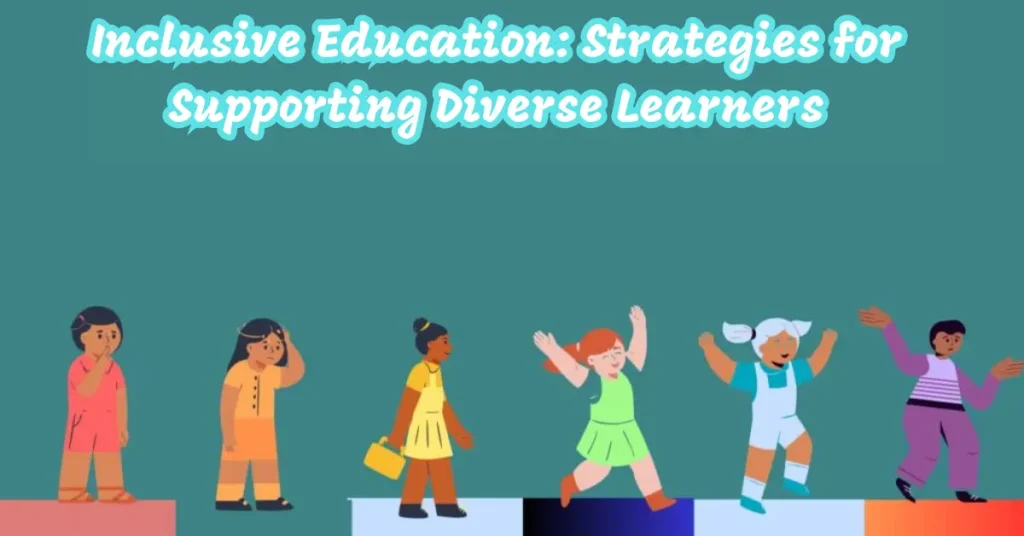
In today’s diverse classrooms, Inclusive Education: Strategies for Supporting Diverse Learners has become essential. It’s an approach that ensures all students, regardless of their backgrounds or abilities, receive equal learning opportunities. Inclusive education embraces the uniqueness of each learner, aiming to provide tailored support and an environment where everyone can thrive. In this post, we’ll explore the significance of inclusive education and offer effective strategies for supporting diverse learners.
What Is Inclusive Education: Strategies for Supporting Diverse Learners
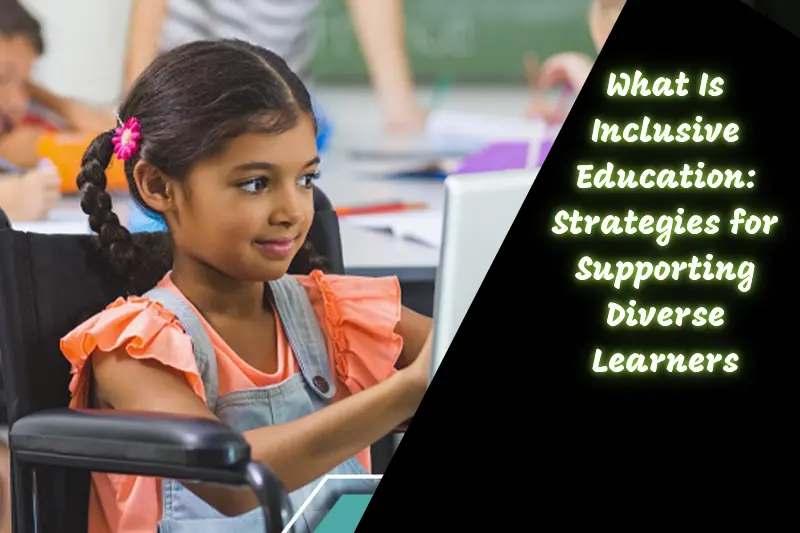
Equitable Access to Learning
Inclusive education is grounded in the belief that every child has a right to be included in general education classrooms, with access to the same curriculum and learning experiences as their peers. This means removing barriers that might prevent any student from fully participating, such as physical accessibility, language support, or individualized learning plans.
Adapted Teaching Methods
Inclusive classrooms use diverse teaching approaches to accommodate different learning styles, abilities, and backgrounds. Strategies like differentiated instruction and Universal Design for Learning (UDL) provide multiple pathways to learning so all students can engage with the material in ways that suit them best.
Individualized Support and Resources
In inclusive education, students receive personalized support based on their needs, whether through assistive technologies, modified assignments, or specialized teaching aids. The aim is to create an environment where each student can thrive, participate fully, and reach their potential.
Focus on Social and Emotional Development
Inclusive education promotes social integration, helping students learn from each other and develop critical social and emotional skills. In this setting, students with diverse abilities and backgrounds are encouraged to interact, collaborate, and support one another, which nurtures a sense of belonging and community.
Celebration of Diversity
An inclusive approach values and respects the unique strengths, backgrounds, and identities of each student. By celebrating diversity, inclusive education helps break down stereotypes, encourages mutual respect, and fosters a positive, accepting school culture.
Collaboration Among Educators and Specialists
Inclusive education often involves collaboration between general education teachers, special education teachers, counselors, and other specialists. Working together, these professionals create and implement strategies that provide comprehensive support to meet each student’s needs.
The Goals of Inclusive Education
The ultimate goal of inclusive education is to create learning environments where everyone feels valued, supported, and able to succeed. It aims to reduce discrimination and promote a culture of acceptance, preparing students for an increasingly diverse society.
Why is Inclusive Education Important?
You May Also Like It!
Understanding Student Support Services: A Guide for Parents and Students – Shala Darpans
How to Access Mental Health Resources for Students in Schools – Shala Darpans
The Role of School Counselors: Supporting Students’ Academic and Personal Growth
Inclusive education is crucial because it upholds the principle that every student deserves an equal opportunity to learn, grow, and succeed. Here are some key reasons why inclusive education is important:
Fosters Empathy and Social Skills
When students of varied backgrounds and abilities learn together, they develop empathy and understanding for one another. Exposure to diverse peers encourages students to appreciate differences, build friendships across lines of ability or background, and develop stronger social and emotional skills.
Promotes Equal Opportunities and Reduces Inequality
Inclusive education breaks down barriers, ensuring that students with disabilities or other unique learning needs have access to the same quality of education as their peers. By addressing and accommodating individual needs, inclusive classrooms promote equity, giving every student a fair chance to succeed.
Improves Academic Outcomes for All Students
Research shows that inclusive settings not only benefit students with learning needs but also improve the overall performance of their classmates. The varied teaching strategies in inclusive classrooms—like differentiated instruction and Universal Design for Learning (UDL)—benefit all learners by providing multiple ways to engage with content, enhancing understanding, and retention.
Prepares Students for Real-World Diversity
Inclusive education mirrors the diversity of the real world, preparing students for life beyond school. By learning in inclusive environments, students gain experience collaborating with people of all abilities and backgrounds, helping them develop essential skills for future workplaces and communities.
Builds a Positive School Culture
Inclusive education fosters a sense of community and belonging, creating a positive and supportive school culture. When students see that everyone is valued and supported, they are more likely to develop positive attitudes toward themselves and others. This inclusive culture can reduce bullying and increase respect among peers.
Encourages Innovation in Teaching
Educators in inclusive classrooms often adopt more creative and flexible teaching methods to meet the needs of all students. This innovation benefits the entire educational community, leading to improved teaching practices, better resource use, and enhanced learning environments.
Effective Strategies for Supporting Diverse Learners
Supporting diverse learners in the classroom involves using a variety of strategies to ensure that all students have equitable access to education, feel valued, and can succeed. Here are some effective strategies for creating an inclusive learning environment that meets the needs of diverse learners:
Differentiated Instruction
Differentiated instruction involves tailoring lessons to meet each student’s unique learning needs, styles, and interests. Here’s how:
- Content Differentiation: Provide multiple ways to access content, such as videos, readings, or interactive activities.
- Process Differentiation: Offer different ways for students to engage, like hands-on experiments, small group discussions, or independent work.
- Product Differentiation: Allow students to demonstrate their understanding in various ways, such as presentations, written reports, art projects, or digital media.
Universal Design for Learning (UDL)
Universal Design for Learning is an inclusive teaching framework that builds flexible options into the curriculum to support all learners. UDL is based on three key principles:
- Multiple Means of Representation: Present information in various formats (e.g., text, visuals, audio) to cater to different learning preferences.
- Multiple Means of Action and Expression: Allow students to demonstrate what they’ve learned in multiple ways, like through writing, speaking, or creating.
- Multiple Means of Engagement: Use diverse activities and options to maintain motivation and encourage student interest.
Culturally Responsive Teaching
Culturally responsive teaching recognizes and incorporates students’ cultural backgrounds and experiences into the classroom. Strategies include:
- Incorporating Diverse Perspectives: Integrate materials and examples that reflect a range of cultures, experiences, and histories.
- Building Relationships: Take time to understand students’ cultural backgrounds and personal stories, creating a welcoming environment for all.
- Adapting Communication: Use language and examples that connect with students’ lived experiences, enhancing understanding and relevance.
Assistive Technology
Assistive technology supports students with disabilities and other learning needs by making learning content more accessible. Examples include:
- Text-to-Speech Software: Helps students with reading difficulties access written materials.
- Speech-to-Text Software: Assists students who struggle with writing by allowing them to dictate their responses.
- Graphic Organizers and Visual Aids: These tools benefit students who process information visually or need help with organization.
Positive Behavior Support (PBS)
PBS is a proactive approach to promoting positive behavior in the classroom by reinforcing desirable behaviors and minimizing disruptions. It involves:
- Clear Expectations: Establish clear, consistent classroom rules and expectations that are easy for all students to understand.
- Positive Reinforcement: Recognize and reward positive behaviors, which can encourage students to maintain them.
- Individualized Behavior Plans: For students who need extra support, create specific strategies to help them manage their behavior effectively.
Flexible Grouping and Peer Learning
Flexible grouping allows students to work with a variety of classmates, fostering collaboration and learning from diverse perspectives. Strategies include:
- Pairing for Strengths: Pair students with complementary strengths so they can support one another’s learning.
- Mixed-Ability Groups: Use mixed-ability groups for projects and discussions to allow students to learn from each other’s unique skills.
- Peer Tutoring: Enable students to support one another by acting as peer mentors or tutors, which can boost understanding and confidence.
Ongoing Assessment and Feedback
Regular assessments and constructive feedback help teachers monitor student progress, adapt instruction, and provide timely support. Methods include:
- Formative Assessments: Use tools like quizzes, polls, exit tickets, or reflection journals to gather ongoing insights into student progress.
- Personalized Feedback: Offer specific, actionable feedback that guides students on how to improve and encourages continued effort.
- Adapted Summative Assessments: Adjust final assessments to consider the diverse needs of learners, such as offering different question formats or project-based alternatives.
Building a Positive Classroom Culture
A welcoming classroom atmosphere fosters a sense of belonging and encourages students to take risks in learning. Strategies to build a positive culture include:
- Celebrating Diversity: Acknowledge and celebrate cultural and individual diversity through projects, displays, or themed days.
- Encouraging Mutual Respect: Teach and model respect for others, setting a tone of kindness and empathy in the classroom.
- Open Discussions: Encourage discussions around inclusivity and respect, helping students understand and appreciate each other’s differences.
Parental and Community Involvement
Engaging parents and the community in supporting diverse learners can provide additional resources and create a broader support system. Here’s how:
- Regular Communication: Keep parents informed about their child’s progress and any specific needs or accommodations.
- Community Resources: Collaborate with community organizations to bring in additional support, like tutoring or after-school programs.
- Workshops and Events: Organize events to educate parents and community members about inclusive education and its benefits.
Professional Development for Teachers
Teachers need ongoing training to stay updated on best practices for inclusive education. Schools can support educators by:
- Providing Inclusive Education Training: Offer training in differentiated instruction, UDL, cultural competence, and other strategies.
- Encouraging Collaboration: Create opportunities for teachers to collaborate and share ideas for supporting diverse learners.
- Access to Resources: Provide resources, tools, and support for teachers to implement inclusive strategies effectively.
Challenges in Inclusive Education and Overcoming Them
Inclusive education brings many benefits, but it also comes with several challenges. Addressing these barriers effectively can help schools create environments that truly support all learners. Here are some of the main challenges in inclusive education and strategies to overcome them:
Lack of Resources and Funding
Challenge: Many schools face limited budgets, making it difficult to provide the necessary resources, assistive technology, or additional support staff required for inclusive education.
Solution: Schools can seek grants and partnerships with nonprofits and community organizations that support inclusive education. Local businesses, charities, and educational foundations often have funds available to support programs, and technology companies may offer discounts or donations of assistive devices to schools.
Insufficient Teacher Training
Challenge: Teachers may feel unprepared to meet the needs of diverse learners, especially if they lack training in inclusive strategies, special education practices, or cultural competency.
Solution: Regular professional development programs focused on inclusive education strategies, such as Universal Design for Learning (UDL) and differentiated instruction, can empower teachers with practical tools. Schools should also promote peer-to-peer training and create support networks among teachers to share strategies and experiences.
High Student-to-Teacher Ratios
Challenge: Overcrowded classrooms make it difficult for teachers to give individualized attention to students with diverse needs.
Solution: Schools can introduce teaching aides or paraprofessionals to assist with classroom management and support individual students. Additionally, leveraging small group instruction and peer tutoring can help teachers meet students’ individual needs without overwhelming them.
Negative Attitudes and Stereotypes
Challenge: Some students, parents, and even educators may have misconceptions about students with disabilities or differences, leading to resistance or bias against inclusive practices.
Solution: Schools should focus on promoting an inclusive school culture that emphasizes respect and empathy. Organizing workshops, awareness campaigns, and community discussions can help change perceptions and encourage a positive attitude toward diversity. Student-led inclusion clubs and classroom activities that celebrate differences can also foster a welcoming environment.
Physical Barriers and Inaccessible Facilities
Challenge: Older school buildings may lack the physical accommodations (e.g., ramps, elevators, accessible bathrooms) needed to support students with mobility challenges.
Solution: Schools can start with affordable changes, such as creating accessible classroom layouts and installing ramps where possible. For long-term solutions, they can work with school boards to prioritize funding for renovations or reach out to community partners and grants to help with funding for accessibility improvements.
Limited Access to Assistive Technology
Challenge: Assistive technology like screen readers, audio devices, and speech-to-text software is essential for many learners but can be expensive.
Solution: Schools can apply for assistive technology grants or consider using open-source software and apps that offer similar functions. Partnering with tech companies that provide educational discounts or donation programs can also make assistive technology more accessible. Additionally, educators can make use of free or low-cost apps that support accessibility.
Curriculum Rigidities and Standardized Testing
Challenge: Traditional curricula and standardized tests often don’t accommodate the needs of diverse learners, making it difficult for some students to demonstrate their abilities.
Solution: Using flexible assessment methods, such as project-based learning, portfolios, and oral presentations, can provide a more comprehensive view of a student’s skills. Schools can advocate for accommodations like extra time on tests, modified assessments, and alternative formats that better align with students’ strengths.
Parent and Community Resistance
Challenge: Some parents may worry that including students with diverse needs will slow down the pace of learning or create disruptions.
Solution: Schools can involve parents in the planning and implementation of inclusive practices, hold informational sessions, and provide examples of successful inclusive classrooms. When parents see the benefits of inclusivity—such as improved empathy, social skills, and academic growth—they may become more supportive of these efforts.
Balancing Individual Needs and Whole-Class Instruction
Challenge: Meeting the specific needs of individual students while managing a full class can be challenging, especially for teachers without extra support.
Solution: Using flexible grouping and collaborative learning strategies can help teachers address various learning needs within one lesson. Strategies like differentiated instruction and tiered activities can allow students to work at their own level within the same content area, reducing the need for one-on-one support for every student.
Monitoring Progress and Providing Feedback
Challenge: Tracking the progress of students with varying needs can be complex and time-consuming for teachers.
Solution: Implementing digital assessment tools and data management systems can help teachers efficiently monitor and analyze student progress. Teachers can also create individualized learning goals for students with specific needs and use regular formative assessments, like exit tickets and quizzes, to gather feedback in real-time.
You May Also Like It!
Navigating the Teacher Support System: Resources for Educators – Shala Darpans
Effective Tutoring Programs: Enhancing Student Learning and Achievement – Shala Darpans
Career Counseling for Students: Finding the Right Path After Graduation – Shala Darpans
Common FAQs about Inclusive Education
What is inclusive education?
Inclusive education means that all students, regardless of their abilities or backgrounds, learn together in the same classroom. It’s about creating an environment where everyone feels valued, respected, and supported, so each student can reach their full potential.
Why is inclusive education important?
Inclusive education helps students develop empathy, respect, and understanding for others. It prepares them for real-world situations where they’ll work and live with people of all backgrounds and abilities. It also ensures that every student has equal access to learning opportunities.
What are some common challenges of inclusive education?
Some common challenges include:
Limited resources, such as assistive technology or extra support staff.
Large class sizes that make individual attention harder.
Physical barriers, like inaccessible buildings.
Misunderstandings or stereotypes about students with disabilities or different needs.
How can teachers support diverse learners?
Teachers can use strategies like:
Differentiated instruction: Tailoring lessons to fit different learning styles and needs.
Universal Design for Learning (UDL): Offering multiple ways to learn and show understanding.
Assistive technology: Using tools like text-to-speech software or visual aids to make learning accessible.
Positive behavior support: Reinforcing positive behaviors and providing clear expectations.
What is Universal Design for Learning (UDL)?
Universal Design for Learning is a teaching approach that gives all students different ways to engage with the content, express what they’ve learned, and stay motivated. UDL is flexible and aims to make learning accessible to everyone.
How can schools deal with limited resources for inclusive education?
Schools can seek funding through grants, work with community organizations, or apply for donations. They can also use free or low-cost resources and software to support students with special needs.
How can teachers manage inclusive classrooms with many students?
Teachers can:
Use small group instruction so students can learn together at their own pace.
Partner with teaching aides or paraprofessionals who can help provide individual attention.
Use peer support, where students help each other learn.
How do schools make sure inclusive education works well for all students?
Schools use ongoing assessments and provide teachers with regular training to stay updated on best practices. They also focus on building a supportive and positive
classroom culture so that everyone feels welcome.
What if parents are worried about inclusive education affecting their child’s learning?
Schools can address these concerns by holding informational sessions, showing examples of successful inclusive classrooms, and sharing the benefits of inclusivity—like improved social skills, empathy, and overall learning for all students.
What’s the difference between inclusive education and special education?
In inclusive education, students with diverse needs learn alongside their peers in the general classroom. In special education, students may have separate classes or tailored programs. Inclusive education focuses on adjusting the regular classroom to meet everyone’s needs, while special education offers specialized support for students who need it.
How can schools support teachers in inclusive education?
Schools can offer professional development workshops, provide classroom resources, and encourage collaboration among teachers to share strategies and support each other.
How do teachers keep track of progress for students with different learning needs?
Teachers use a mix of assessments, such as quizzes, observations, and feedback, to see how each student is doing. They may also use apps and tools that make tracking progress easier, ensuring that students get the support they need to improve.
Conclusion
Inclusive education is about creating a learning environment where all students, regardless of their abilities or backgrounds, can thrive together. By understanding its importance, addressing the challenges, and using effective strategies, schools can help every student feel valued and supported. When we embrace diversity in education, we not only enhance academic success but also foster empathy and respect among students. Together, let’s work towards an inclusive future where everyone has the opportunity to learn and grow!
Bonus Points on Inclusive Education
- Peer Learning: Inclusive classrooms encourage peer-to-peer learning, where students can help each other, fostering friendships and collaboration.
- Increased Teacher Awareness: Teachers become more aware of different learning styles and needs, which can improve their teaching methods overall.
- Community Engagement: Inclusive education encourages greater involvement from families and the community, creating stronger support networks for students.
- Real-World Preparation: Students in inclusive environments learn to appreciate and navigate diversity, preparing them for real-world interactions in a multicultural society.
- Empowerment: Inclusive education empowers all students to voice their opinions, fostering confidence and self-advocacy skills.
- Holistic Development: It supports the social, emotional, and cognitive development of all students, contributing to well-rounded individuals.
- Reduced Stigma: Including students with different abilities helps break down stereotypes and reduce stigma associated with disabilities.
- Shared Responsibility: It promotes a culture where everyone—teachers, students, parents, and the community—shares the responsibility of supporting all learners.
- Adaptability: Schools become more flexible in their teaching approaches, which can lead to innovation in educational practices and curriculum design.
- Improved School Climate: An inclusive approach helps build a positive school climate where respect and kindness are core values, benefiting everyone in the school community.
You May Also Like It!
Extracurricular Activities: Services That Enhance Student Engagement – Shala Darpans
Staff Development Programs: Investing in Educators for Better Learning Outcomes
Student Grievance Redressal Mechanisms: Understanding Your Rights – Shala Darpans
Parent Involvement Services: How Schools Support Family Engagement – Shala Darpans