Navigating the Teacher Support System: Resources for Educators – Shala Darpan
Introduction
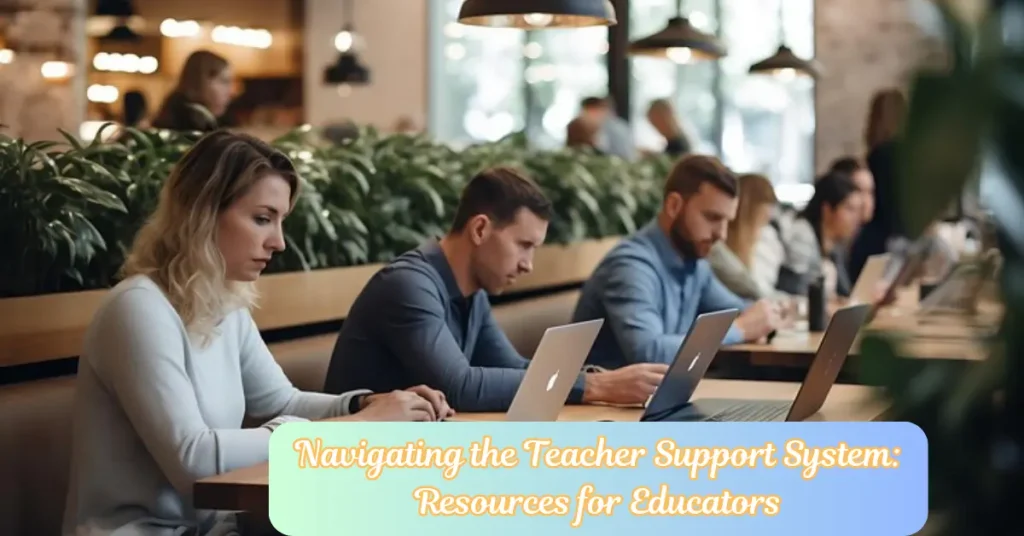
Navigating the Teacher Support System: Resources for Educators is a rewarding but challenging profession. Every day, educators strive to create engaging lessons, support their students, and manage their classrooms effectively. However, with so many responsibilities, it can be overwhelming to find the right help and resources. That’s where the teacher support system comes in!
In this article, we will explore the various resources available to teachers that can make their jobs easier and more fulfilling. From mentoring programs and professional development workshops to online communities, these tools are designed to help educators thrive. Whether you’re a new teacher looking for guidance or an experienced educator wanting to enhance your skills, understanding how to navigate the teacher support system can empower you in your teaching journey. Let’s dive in and discover the resources that can make a real difference!
What is Navigating the Teacher Support System: Resources for Educators?

“Navigating the Teacher Support System: Resources for Educators” refers to the process of exploring and utilizing the various tools, programs, and communities available to teachers for professional development and support. This support system is designed to help educators enhance their skills, manage classroom challenges, and ultimately improve student learning outcomes.
At its core, the teacher support system encompasses a wide range of resources, including:
- Mentorship Programs: These pair experienced teachers with newcomers, providing guidance, encouragement, and practical advice to help them adjust to the demands of teaching.
- Professional Development Workshops: These sessions offer teachers opportunities to learn new strategies, gain insights into best practices, and stay updated on the latest educational trends and technologies.
- Online Resources: Various websites and platforms provide access to lesson plans, teaching materials, and forums where educators can share experiences and seek advice from peers.
- Supportive Communities: Teachers can find groups and networks—both locally and online—where they can connect, collaborate, and share resources with other educators facing similar challenges.
You May Also Like It
Navigating School Enrollment: A Step-by-Step Guide for Parents – Shala Darpan
Understanding School Funding: How It Affects Your Child’s Education – Shala Darpan
Essential Resources for New Teachers: Tools to Enhance Classroom Management – Shala Darpan
Why is Navigating the Teacher Support System: Resources for Educators Important?
Understanding the significance of navigating the teacher support system is crucial for both personal and professional growth in the education field. Here are some key reasons why this support system is essential:
Enhances Teaching Skills
- Continuous Learning: Engaging with professional development resources helps educators stay updated on effective teaching strategies and educational technology.
- Skill Improvement: Mentorship and workshops can directly improve classroom management, lesson planning, and student engagement techniques.
Provides Emotional Support
- Community Connection: Building relationships with fellow educators fosters a sense of belonging, reducing feelings of isolation.
- Encouragement: Access to supportive peers and mentors provides motivation and reassurance during challenging times.
Increases Job Satisfaction
- Empowerment: Teachers who utilize available resources often feel more confident and competent in their roles, leading to greater job satisfaction.
- Career Growth: Continuous professional development can open doors for promotions and leadership opportunities within educational institutions.
Improves Student Outcomes
- Effective Teaching Practices: Educators who are well-supported are better equipped to implement effective teaching practices, which positively impacts student learning.
- Tailored Support: Resources can help teachers meet the diverse needs of their students, ensuring a more inclusive learning environment.
Encourages Collaboration
- Resource Sharing: Navigating the support system promotes collaboration among educators, allowing them to share ideas, resources, and best practices.
- Innovative Solutions: Working together can lead to innovative approaches to common challenges in education, benefiting both teachers and students.
Step-by-Step Guide to Navigating the Teacher Support System: Resources for Educators

Step 1: Identify Your Needs
- Reflect on Challenges: Take some time to think about the areas where you feel you need support. This could be classroom management, lesson planning, or integrating technology.
- Set Goals: Define what you want to achieve through the teacher support system. Clear goals will help you focus on the resources most relevant to you.
Step 2: Research Available Resources
- Explore Mentorship Programs: Look for local or online mentorship opportunities where you can connect with experienced teachers for guidance.
- Check Professional Development Workshops: Investigate upcoming workshops or conferences in your area or online that focus on your identified needs.
- Visit Educational Websites: Use platforms like Edutopia, Teachers Pay Teachers, or the National Education Association (NEA) to find lesson plans, teaching strategies, and articles.
Step 3: Join Professional Communities
- Connect with Colleagues: Reach out to fellow teachers in your school to discuss challenges and share resources.
- Engage in Online Forums: Participate in online educator communities such as Facebook groups, Reddit, or LinkedIn groups dedicated to teaching.
- Attend Local Meetups: Join local education associations or groups to network with other educators in your area.
Step 4: Participate in Professional Development
- Enroll in Workshops: Sign up for workshops that align with your goals and interests. Make sure to actively participate and ask questions.
- Seek Feedback: After attending a workshop or session, seek feedback from mentors or peers to reflect on what you learned and how to apply it in your classroom.
Step 5: Implement New Strategies
- Apply What You Learn: Start incorporating new strategies or tools into your teaching practice based on the resources you’ve accessed.
- Adjust as Needed: Be flexible and willing to adapt your approach based on student responses and outcomes.
Step 6: Reflect and Share
- Evaluate Your Progress: Regularly assess how the resources and strategies you’ve implemented are affecting your teaching and your students’ learning.
- Share with Others: Share your experiences and the resources you’ve found helpful with your colleagues, contributing to a culture of support in your school.
Step 7: Continuously Seek Support
- Stay Engaged: Continue to seek out new resources, attend workshops, and engage with your professional community.
- Mentor Others: As you gain experience and confidence, consider becoming a mentor yourself, providing support to newer teachers in navigating the teacher support system.
Advantages and Disadvantages of Navigating the Teacher Support System: Resources for Educators
Advantages
Access to Valuable Resources
- Educators can access a wealth of information, tools, and materials designed to improve their teaching practices and support student learning.
Professional Growth
- Continuous learning opportunities through workshops and mentoring can lead to skill enhancement and career advancement.
Community Support
- Connecting with fellow educators creates a sense of belonging and provides emotional support, reducing feelings of isolation.
Improved Student Outcomes
- Well-supported teachers are better equipped to implement effective teaching strategies, which can lead to higher student engagement and success.
Networking Opportunities
- Building relationships with other professionals opens doors for collaboration, sharing best practices, and finding innovative solutions to common challenges.
Disadvantages
Time Commitment
- Engaging with the support system often requires time that educators may not have due to their existing responsibilities, making it challenging to participate fully.
Quality Variation
- Not all resources are created equal; some programs or workshops may not provide the depth of support or relevance needed, leading to wasted time and effort.
Overwhelming Choices
- With so many resources available, it can be overwhelming for educators to identify which ones are best suited for their specific needs.
Cost Factors
- Some professional development opportunities or resources may come with a fee, which can be a barrier for teachers on a limited budget.
Potential Dependency
- Relying too heavily on external resources may prevent educators from developing their own strategies and confidence in managing classroom challenges independently.
You May Also Like It
Top Educational Websites and Apps for Student Success Detail Guide – Shala Darpan
The Importance of School Safety: Strategies for a Secure Learning Environment – Shala Darpan
Exploring Extracurricular Activities: Benefits for Student Development – Guide By – Shala Darpan
Common FAQs about Navigating the Teacher Support System: Resources for Educators
What is the teacher support system?
The teacher support system includes various resources and programs designed to help educators improve their teaching skills and find support. This can include mentorship, professional development workshops, online resources, and communities of fellow teachers.
How can I find resources in the teacher support system?
You can start by researching online for educational websites, local workshops, or professional development opportunities. Connecting with colleagues and joining online educator communities can also help you discover valuable resources.
Do I have to pay for professional development resources?
Some resources and workshops may have a cost associated with them, while others are free. It’s a good
idea to check with your school district or local education associations, as they may offer free or discounted training for teachers.
How can I benefit from a mentorship program?
A mentorship program pairs you with an experienced teacher who can provide guidance, support, and feedback. This relationship can help you develop your skills, gain confidence, and navigate challenges more effectively.
Is it important to participate in professional development?
Yes! Participating in professional development helps you stay updated on the latest teaching methods and strategies, improving your effectiveness in the classroom and enhancing student learning.
What if I don’t have time to engage with these resources?
It can be challenging to find time, but even small steps can make a difference. Try to prioritize a few key resources that align with your needs and goals, and gradually incorporate them into your routine.
How can I connect with other educators for support?
You can connect with other educators by joining local teacher associations, attending workshops, or participating in online forums and social media groups dedicated to teaching.
Can I use these resources as a new teacher?
Absolutely! In fact, new teachers often benefit greatly from the support and guidance provided by mentorship programs and professional development resources, helping them build confidence and skills.
What should I do if a resource doesn’t meet my needs?
It’s okay if a resource doesn’t work for you. Take the time to assess what you need and try to find other options that better suit your goals. Don’t hesitate to ask for recommendations from colleagues or mentors.
How can I make the most of the resources I find?
To get the most out of the resources, set specific goals for what you want to achieve, actively participate in workshops or discussions, and apply what you learn in your classroom. Reflect on your progress and adjust your approach as needed.
Conclusion
Navigating the teacher support system is essential for educators looking to enhance their skills and improve their teaching practices. By taking advantage of mentorship programs, professional development opportunities, and supportive communities, teachers can find the resources they need to thrive. Remember, it’s okay to seek help and connect with others on this journey. By investing in yourself and your professional growth, you’ll not only benefit your own teaching but also positively impact your students’ learning experiences. Embrace the support available to you, and let it guide you on your path to becoming a more effective educator!
Bonus Points
- Leverage Technology: Use educational apps and online platforms that offer teaching resources, lesson plans, and interactive tools to make your classroom more engaging.
- Stay Curious: Always be open to learning new techniques and methodologies. The education landscape is constantly evolving, and keeping an open mind will benefit your professional development.
- Set Up a Support Network: Create or join a small group of teachers who meet regularly to share ideas, resources, and challenges. This can foster collaboration and innovation in your teaching practices.
- Be Proactive: Don’t wait for support to come to you. Actively seek out resources, reach out to mentors, and participate in discussions to maximize your growth as an educator.
- Celebrate Small Wins: Acknowledge your progress and celebrate your achievements, no matter how small. This positive reinforcement can keep you motivated and focused on your professional journey.
- Encourage Student Feedback: Involve your students in the learning process by seeking their feedback on teaching methods and classroom activities. Their insights can help you improve and adapt your approach.
- Utilize Social Media: Follow educational hashtags and join teacher communities on platforms like Twitter, Instagram, or Facebook to stay connected and share resources with a broader audience.
- Stay Informed: Subscribe to educational newsletters, podcasts, or blogs that provide updates on new resources, teaching strategies, and best practices.
- Reflect Regularly: Take time to reflect on your teaching experiences. What worked well? What didn’t? Regular reflection can help you identify areas for improvement and growth.
- Mentor Others: As you gain experience, consider mentoring newer teachers. Sharing your knowledge not only helps them but also reinforces your own learning and understanding.
You May Also Like It
How to Access School Reports and Performance Metrics Complete Information – Shala Drpan
Parent-Teacher Communication: Effective Strategies for Engagement – Shala Darpan
Understanding Special Education Services: A Resource for Parents – Shala Darpan
Guide to School District Resources: What’s Available for Families – Shala Darpan