Innovative Teaching Strategies: Transforming Classroom Experiences – Shala Darpan
Introduction
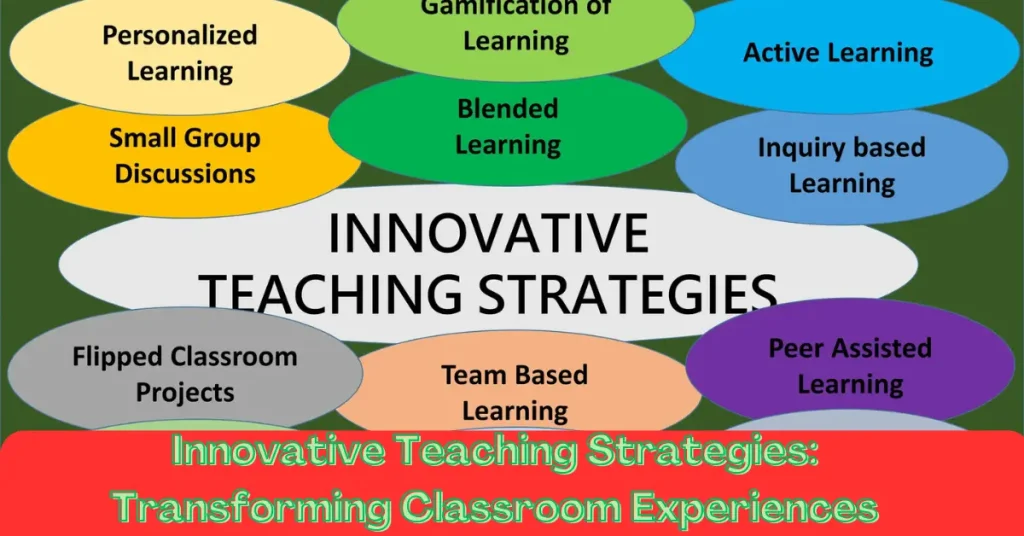
In today’s classrooms, teaching has moved far beyond chalkboards and textbooks. With new technology, diverse learning styles, and a world full of information at our fingertips, teachers are embracing fresh, Innovative Teaching Strategies: Transforming Classroom Experiences to make learning more exciting and impactful. The goal? To create a classroom experience that isn’t just about memorizing facts but about inspiring students to think, explore, and grow.
Imagine a class where students work together on real-world projects, play educational games to learn new concepts, or even take virtual reality trips to historical sites. These aren’t just ideas—they’re happening now in schools everywhere! By bringing in these new approaches, teachers are turning classrooms into places where every student can be engaged, curious, and ready to tackle challenges.
What Is Innovative Teaching Strategies: Transforming Classroom Experiences
Innovative Teaching Strategies: Transforming Classroom Experiences” refers to the fresh, creative approaches that teachers use to make learning more engaging, relevant, and meaningful for students. These strategies go beyond traditional lectures and rote memorization. Instead, they focus on making learning hands-on, interactive, and connected to real-life situations, all while catering to the diverse needs and learning styles of today’s students.
The idea behind these innovative methods is to make classrooms dynamic environments where students can actively participate in their learning journey. This can include methods like project-based learning, where students tackle real-world problems; the flipped classroom model, which allows them to learn new content at home and engage in deeper discussions and activities in class; and gamification, which turns lessons into fun, competitive games.
Ultimately, innovative teaching strategies aim to transform the classroom into a place where students feel motivated, curious, and empowered to learn. These approaches help build critical thinking, creativity, and collaboration skills, preparing students to thrive in the ever-evolving world around them.
Why Are Innovative Teaching Strategies Important?
You May Also Like It!
Understanding Student Support Services: A Guide for Parents and Students – Shala Darpans
How to Access Mental Health Resources for Students in Schools – Shala Darpans
The Role of School Counselors: Supporting Students’ Academic and Personal Growth
Innovative teaching strategies play a critical role in shaping modern education. As the world rapidly changes, education must evolve to meet the demands of today’s students and society. Here’s why these strategies are so essential:
Engages and Motivates Students
- Boosts Interest: Interactive and creative approaches keep students interested in lessons, making learning feel enjoyable rather than a chore.
- Increases Participation: Methods like group activities and gamified lessons encourage even shy or hesitant students to participate.
- Reduces Boredom: By breaking away from traditional lecture-based teaching, students are less likely to feel disengaged or bored in the classroom.
Builds Real-World Skills
- Critical Thinking: Innovative strategies, like project-based learning, require students to analyze, evaluate, and problem-solve—skills essential for real-life situations.
- Collaboration and Communication: Group activities and discussions help students improve their teamwork and interpersonal skills.
- Adaptability: Exposure to various teaching styles prepares students to adapt to different learning environments and challenges outside the classroom.
Supports Diverse Learning Styles
- Personalized Learning: Differentiated instruction allows teachers to adapt lessons to meet individual needs, whether a student is a visual, auditory, or hands-on learner.
- Inclusive Environment: Strategies that cater to multiple learning styles ensure that all students, regardless of their strengths or challenges, can succeed.
- Encourages Self-Paced Learning: Models like the flipped classroom give students more control over their learning pace, helping them feel confident and capable.
Prepares Students for a Changing World
- Technological Literacy: Integrating digital tools and resources helps students build tech skills essential in today’s digital landscape.
- Global Awareness: Real-world projects and topics connect students to issues beyond their immediate surroundings, fostering a global perspective.
- Future-Ready Skills: By focusing on creativity, adaptability, and collaboration, these methods help students develop skills they’ll need in the workforce.
Fosters a Positive and Supportive Classroom Environment
- Encourages Emotional Well-being: Strategies like mindfulness and social-emotional learning (SEL) teach students how to handle stress, stay focused, and build resilience.
- Builds Stronger Teacher-Student Relationships: Interactive methods allow teachers to spend more time with students individually, creating a supportive and trusting environment.
- Promotes Lifelong Learning: By making learning exciting and engaging, students are more likely to develop a love for learning that lasts beyond the classroom.
Step by Step Guide of Innovative Teaching Strategies: Transforming Classroom Experiences
Here’s a step-by-step guide on implementing “Innovative Teaching Strategies: Transforming Classroom Experiences.” This guide walks through practical ways to bring creativity and engagement into your classroom, making learning more dynamic and effective.
Step 1: Assess Your Students’ Needs and Learning Styles
Before implementing new strategies, take time to understand your students:
- Identify Learning Preferences: Use questionnaires or informal conversations to gauge whether students prefer visual, auditory, or kinesthetic learning.
- Consider Skill Levels: Recognize varying academic abilities and adapt strategies accordingly.
- Set Clear Learning Goals: Establish what you want students to achieve so you can tailor strategies to meet those goals.
Step 2: Choose Appropriate Teaching Strategies
Based on your assessment, select strategies that best suit your classroom:
- Active Learning: Incorporate interactive methods like group discussions, hands-on activities, or peer teaching to increase engagement.
- Project-Based Learning (PBL): Design projects that require students to solve real-world problems, encouraging critical thinking and collaboration.
- Flipped Classroom: Use this model to allow students to review content at home (via videos or readings) and spend class time on discussions and problem-solving activities.
Step 3: Integrate Technology Where Possible
Technology can make lessons more engaging and accessible:
- Use Interactive Tools: Apps like Kahoot!, Quizizz, or Nearpod offer fun ways to quiz students and make learning competitive.
- Try Virtual Reality (VR) or Augmented Reality (AR): These tools can bring abstract concepts to life, like virtual tours for history or biology.
- Online Collaboration: Platforms like Google Classroom, Padlet, or Edmodo facilitate group projects and communication outside of class.
Step 4: Develop Hands-On Activities
Hands-on activities keep students engaged and make abstract concepts easier to understand:
- Create Simulations or Role-Playing Activities: Simulate real-life situations (e.g., mock trials or business negotiations) to apply lessons practically.
- Incorporate Science Labs or DIY Projects: Whenever possible, allow students to experiment or create, helping them learn through doing.
- Field Experiences: Arrange virtual or in-person field trips related to lesson content to deepen students’ understanding and engagement.
Step 5: Encourage Collaboration and Group Work
Group activities build communication and teamwork skills:
- Assign Group Projects: Divide students into groups to tackle larger projects, helping them learn collaboration and problem-solving.
- Use Peer Teaching: Allow students to explain concepts to one another; teaching a concept helps reinforce their own understanding.
- Rotate Group Roles: Assign specific roles (e.g., note-taker, presenter, researcher) to help students learn responsibility and work effectively as a team.
Step 6: Make Learning Fun with Gamification
Gamify lessons to make learning enjoyable:
- Create Point or Reward Systems: Award points or badges for participation, performance, or progress.
- Use Educational Games: Incorporate games, puzzles, or competitions into lessons to keep students motivated and excited.
- Weekly Challenges or Quizzes: Create friendly competition with regular quizzes or group challenges to review content in a fun way.
Step 7: Personalize and Differentiate Instruction
Meet each student’s unique needs by tailoring instruction:
- Offer Multiple Assignment Options: Give students the choice of how they want to present their learning (e.g., written report, presentation, video).
- Adjust Content for Different Skill Levels: Provide varying levels of reading material or challenge problems to suit students’ individual abilities.
- Use Flexible Grouping: Group students based on their skills and needs, allowing stronger students to help others and facilitating differentiated instruction.
Advantages
Increases Student Engagement
Active Participation: Strategies like gamification and project-based learning keep students actively involved in lessons.
Reduced Boredom: Engaging, varied activities can make learning feel more enjoyable, helping to maintain students’ interest.
Supports Diverse Learning Styles
Personalized Learning: Innovative strategies allow teachers to adapt lessons to suit visual, auditory, and kinesthetic learners.
Inclusive Classroom: Differentiated instruction helps ensure that all students, including those with learning challenges, can thrive.
Develops Real-World Skills
Critical Thinking and Problem Solving: Methods like project-based learning encourage students to think deeply and find creative solutions.
Collaboration and Communication: Group work and peer teaching build essential interpersonal skills that students will need in their future careers.
Prepares Students for a Tech-Driven World
Technological Skills: Integrating tech tools familiarizes students with digital platforms, preparing them for a modern workforce.
Adaptability: Exposure to new and varied methods makes students more adaptable to different learning environments and situations.
Enhances Teacher-Student Relationships
More Interaction: Interactive activities provide teachers with more opportunities to connect with students individually.
Positive Classroom Environment: By fostering collaboration and open communication, these strategies contribute to a supportive and encouraging learning atmosphere.
Disadvantages
Requires Significant Preparation Time
Lesson Planning: Developing innovative lessons often takes more time and effort compared to traditional lectures.
Resource Gathering: Finding the right resources, such as tech tools, materials for hands-on activities, or specific lesson content, can be challenging and time-consuming.
May Require Additional Resources and Training
Technology Access: Not all schools have the budget or resources to support tech-intensive strategies, which can limit access to innovative teaching tools.
Teacher Training: Teachers need proper training to effectively implement these methods, which may not be available in all educational settings.
Classroom Management Challenges
Keeping Focused: Activities like group work or gamified lessons can sometimes lead to off-topic conversations or distractions, requiring strong classroom management skills.
Managing Different Learning Paces: Personalized learning is beneficial, but balancing different learning speeds in a single classroom can be difficult for teachers.
Potentially Increased Workload for Teachers
Ongoing Adjustments: Teachers need to continuously evaluate and tweak strategies to meet student needs, adding to their workload.
More Individual Attention Required: Adapting lessons to different learning styles and supporting students with diverse needs can demand a lot of time and attention.
May Not Suit Every Learning Environment
Space Limitations: Certain activities, such as hands-on projects or group exercises, may require more space than a traditional classroom can provide.
Not Always Ideal for Large Classes: Innovative strategies often work best in smaller groups, where teachers can give more individual attention—something that’s harder to achieve in large classrooms.
You May Also Like It!
Navigating the Teacher Support System: Resources for Educators – Shala Darpans
Effective Tutoring Programs: Enhancing Student Learning and Achievement – Shala Darpans
Career Counseling for Students: Finding the Right Path After Graduation – Shala Darpans
Common FAQs About Innovative Teaching Strategies
Here are some frequently asked questions about innovative teaching strategies, along with simple answers to help you understand them better.
What are innovative teaching strategies?
Innovative teaching strategies are creative and modern approaches that teachers use to engage students and make learning more interactive and enjoyable. Instead of just lecturing, these strategies might include group projects, technology integration, hands-on activities, and gamification.
Why are innovative teaching strategies important?
These strategies are important because they help keep students engaged, cater to different learning styles, and prepare them for real-world challenges. They also promote skills like critical thinking, collaboration, and adaptability, which are essential for success in today’s world.
How can teachers implement innovative teaching strategies in the classroom?
Teachers can start by assessing their students’ needs and learning styles. From there, they can choose suitable strategies, integrate technology, encourage group work, and create hands-on activities. Regularly gathering feedback from students and reflecting on the effectiveness of these strategies will also help improve their teaching methods.
Are innovative teaching strategies suitable for all subjects?
Yes! Innovative teaching strategies can be applied across all subjects. Whether it’s math, science, history, or language arts, teachers can find creative ways to engage students and make the material more relatable and fun.
Do innovative teaching strategies require a lot of extra work?
While implementing these strategies may require more planning and preparation initially, they can lead to more engaging and effective lessons in the long run. Teachers can find ways to streamline their processes and use resources effectively to reduce extra workload.
How do innovative teaching strategies support diverse learners?
These strategies support diverse learners by allowing teachers to adapt lessons to different learning styles and abilities. For example, visual learners might benefit from videos, while kinesthetic learners might thrive with hands-on activities. Differentiating instruction helps ensure that every student can succeed.
What are some examples of innovative teaching strategies?
Some common examples include:
Project-Based Learning: Students work on projects that solve real-world problems.
Flipped Classroom: Students learn new material at home and engage in discussions and activities in class.
Gamification: Turning lessons into games or competitions to make learning more fun.
Collaborative Learning: Group activities that encourage teamwork and peer learning.
How can technology be integrated into innovative teaching strategies?
Technology can enhance innovative teaching strategies by providing tools for interactive learning. Teachers can use apps, online platforms, and digital resources to create engaging lessons, facilitate group work, and assess student understanding in real-time.
Can innovative teaching strategies benefit teachers as well?
Absolutely! These strategies can make teaching more enjoyable and fulfilling. By engaging students effectively, teachers often find that classroom management improves, leading to a more positive teaching experience. Additionally, collaborating with students on projects can foster a sense of community and shared learning.
How can teachers measure the success of innovative teaching strategies?
Teachers can measure success by observing student engagement, assessing learning outcomes through tests and projects, and gathering feedback from students about their learning experiences. Tracking improvements in student performance and enthusiasm for learning will help determine which strategies work best.
Conclusion
Innovative teaching strategies are all about making learning more engaging and effective for students. By using creative methods like project-based learning, technology, and collaboration, teachers can create a more dynamic classroom environment. These strategies not only cater to different learning styles but also help students develop important skills for the future. While implementing these techniques may require some extra effort, the benefits for both students and teachers can be substantial. Embracing innovation in the classroom can lead to a more enjoyable and successful learning experience for everyone involved.
Bonus Points on Innovative Teaching Strategies
Here are some additional insights and tips to enhance your understanding and implementation of innovative teaching strategies:
Start Small
- Test New Ideas: You don’t have to overhaul your entire teaching style at once. Begin with one or two innovative strategies and see how your students respond before expanding.
Encourage Student Feedback
- Listen to Your Students: Regularly ask for feedback on what activities they enjoy and find helpful. This can guide your approach and make learning more effective.
Collaborate with Colleagues
- Share Ideas: Work with other teachers to exchange innovative strategies and resources. Collaboration can spark new ideas and improve your teaching practices.
Stay Updated on Educational Trends
- Continuous Learning: Keep an eye on new educational research, trends, and technologies that can further enhance your teaching strategies.
Leverage Online Resources
- Use Technology: Explore online platforms that offer resources, lesson plans, and tools for innovative teaching. Websites like Edutopia and Teachers Pay Teachers can be invaluable.
Foster a Growth Mindset
- Embrace Challenges: Encourage yourself and your students to view challenges as opportunities to learn and grow. A positive mindset can enhance the learning experience.
Incorporate Community Resources
- Engage with the Community: Involve local organizations, guest speakers, or field trips to enrich the learning experience and make lessons more relevant.
Reflect and Adapt
- Self-Evaluation: Take time to reflect on your teaching practices regularly. Adapt and modify your strategies based on what works best for your students.
Balance Innovation with Structure
- Create a Safe Learning Environment: While being innovative, ensure that there’s a structured environment where students feel safe and supported.
Celebrate Successes
- Recognize Achievements: Celebrate both small and large successes in the classroom. This can boost morale and motivate students to engage more deeply in their learning.
You May Also Like It!
Extracurricular Activities: Services That Enhance Student Engagement – Shala Darpans
Staff Development Programs: Investing in Educators for Better Learning Outcomes
Student Grievance Redressal Mechanisms: Understanding Your Rights – Shala Darpans
Parent Involvement Services: How Schools Support Family Engagement – Shala Darpans