Parent Involvement in Education: Best Practices for Schools and Families
Introduction

Parent involvement in education is one of the most important factors in a child’s success at school. When families and schools work together, students perform better, feel more confident, and enjoy learning. Parents who stay engaged with their child’s education can help them build good study habits, handle challenges, and feel supported both at home and in the classroom.
For schools, creating a welcoming environment for parents helps build a stronger community and keeps everyone on the same page when it comes to students’ progress and needs. In this article, we’ll explore some of the best ways that schools and families can partner together to support children’s learning. Whether it’s through open communication, attending school events, or creating a good study routine at home, these simple steps can make a big difference in a child’s educational journey.
What is “Parent Involvement in Education: Best Practices for Schools and Families”?

“Parent Involvement in Education” refers to the active engagement of parents in their child’s school life and learning process. This goes beyond helping with homework—it’s about creating a partnership between parents and schools to support children academically, emotionally, and socially. When parents and schools work together, students benefit from a consistent support system, making it easier for them to achieve their goals and develop important life skills.
Best practices for parent involvement are strategies that both schools and families can use to build strong, effective partnerships. For schools, this might mean setting up clear communication channels, offering opportunities for parents to volunteer, and organizing family-centered events. For families, it can involve creating a positive learning environment at home, staying informed about school activities, and encouraging a child’s curiosity and confidence.
These best practices aim to make learning a shared responsibility, with everyone working toward a common goal: helping each child succeed. By fostering these connections, schools and families can build a supportive educational environment where students can thrive.
Why Is Parent Involvement in Education Important?
You May Also Like It!
Understanding Student Support Services: A Guide for Parents and Students – Shala Darpans
How to Access Mental Health Resources for Students in Schools – Shala Darpans
The Role of School Counselors: Supporting Students’ Academic and Personal Growth
Parent involvement plays a crucial role in a child’s educational experience, positively impacting various areas of their development and overall success. Here’s why it matters:
Improves Academic Success
- Higher Grades: Students with engaged parents tend to perform better academically, achieving higher grades and test scores.
- Better Attendance: Parental involvement is linked to improved school attendance, as students are more motivated and less likely to miss school.
- Increased Motivation: Children often feel more inspired to learn and do their best when they know their parents are invested in their education.
Promotes Emotional and Social Development
- Boosts Confidence: With active parental support, children develop stronger self-esteem, helping them feel more capable and confident in school.
- Better Behavior: Students whose parents are involved are less likely to have behavioral problems, as they benefit from consistent guidance and positive role models.
- Improved Social Skills: When parents are part of the school community, children learn the importance of cooperation, communication, and respect.
Builds a Stronger School Community
- Encourages Collaboration: When schools and families work together, they create a supportive network that benefits all students and promotes a positive school culture.
- Enhances Teacher Support: Teachers feel more supported when parents are involved, allowing for better teamwork and mutual understanding of each child’s needs.
- Strengthens Communication: Regular interactions between parents and schools lead to open communication channels, helping to quickly address concerns and celebrate successes.
Supports Long-Term Success and Lifelong Learning
- Encourages Goal-Setting: Parents who are engaged in their child’s education help them set realistic goals, fostering a sense of responsibility and achievement.
- Promotes Curiosity and Interest: Parents who actively participate in learning activities spark curiosity in their children, making education enjoyable and fulfilling.
- Builds Resilience and Problem-Solving Skills: When children see their parents involved, they are more likely to learn valuable skills like resilience and effective problem-solving, which benefit them throughout life.
Step-by-Step Guide on Parent Involvement in Education: Best Practices for Schools and Families
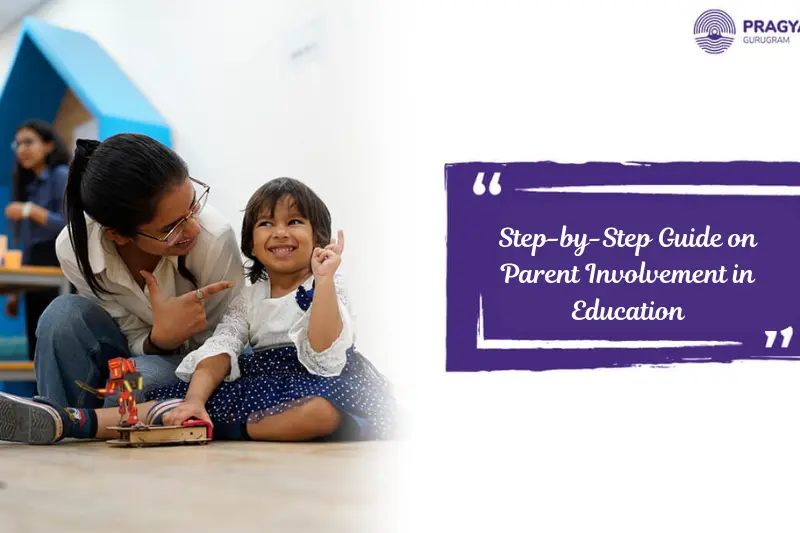
Here’s a simple, step-by-step guide to help both schools and families foster a strong partnership for students’ success:
Step 1: Establish Open and Consistent Communication
For Schools:
- Send Regular Updates: Share newsletters, emails, or text messages to keep parents informed about school events, academic goals, and ways they can get involved.
- Create Accessible Portals: Use online portals or apps where parents can easily view their child’s progress, assignments, and upcoming events.
- Encourage Two-Way Communication: Set up a system where parents can ask questions, provide feedback, or reach out to teachers directly.
For Families:
- Stay Updated: Regularly check school updates, announcements, and calendars so you’re aware of important dates and activities.
- Communicate with Teachers: Don’t hesitate to reach out to your child’s teachers if you have questions or concerns.
Step 2: Participate in School Events and Meetings
For Schools:
- Organize Family-Friendly Events: Host events like curriculum nights, workshops, and student showcases where parents can see their child’s progress and meet staff.
- Schedule Convenient Meeting Times: Hold parent-teacher conferences and other meetings at times that accommodate working parents, offering evening or weekend options if possible.
For Families:
- Attend School Events: Show your support by attending events, workshops, and meetings to stay connected with the school’s goals and activities.
- Get to Know Staff and Teachers: Building relationships with teachers and staff creates a positive foundation for communication and collaboration.
Step 3: Create a Supportive Home Environment for Learning
For Schools:
- Share Learning Resources: Provide guides, websites, or apps that help parents support learning at home, such as homework strategies and educational tools.
- Suggest Study Routines: Offer tips on setting up a productive study environment, such as minimizing distractions and establishing a regular homework schedule.
For Families:
- Set a Homework Routine: Create a consistent study routine at home, with a quiet, well-organized space for your child to focus on schoolwork.
- Encourage Reading and Curiosity: Promote a love of learning by encouraging your child to read and ask questions. Show interest in what they’re learning at school.
Step 4: Volunteer and Get Involved in School Activities
For Schools:
- Offer Flexible Volunteer Opportunities: Allow parents to participate in various ways, whether it’s in the classroom, on field trips, or with after-school activities.
- Create Roles Based on Skills: Encourage parents to share their unique skills and expertise, such as helping with science projects, art classes, or career days.
For Families:
- Volunteer When Possible: Even if you have limited time, look for ways to get involved, such as helping at events, chaperoning trips, or assisting in classroom activities.
- Support Extracurriculars: Offer help with clubs, sports, or school events to support your child’s interests and help the school community.
Step 5: Encourage Positive Social and Emotional Growth
For Schools:
- Promote Social-Emotional Learning: Offer workshops or resources that teach children and families about social skills, empathy, and emotional management.
- Recognize and Celebrate Achievements: Celebrate students’ achievements and efforts, and encourage families to join in recognizing their progress.
For Families:
- Talk About School Daily: Show interest in your child’s day by discussing what they learned, their achievements, and any challenges they might have faced.
- Encourage Resilience and Problem-Solving: Support your child in handling challenges, teaching them to approach problems with a positive mindset and to seek solutions.
Step 6: Set Realistic Goals and Celebrate Progress
For Schools:
- Guide Parents in Goal-Setting: Provide tips on setting realistic and achievable goals for children’s academic and personal growth.
- Celebrate Milestones Together: Host events or give updates that acknowledge student accomplishments and invite parents to celebrate these moments.
For Families:
- Set Goals with Your Child: Work together to set small, attainable goals, like completing projects on time or improving reading skills.
- Celebrate Successes: Whether big or small, celebrate your child’s accomplishments to encourage their motivation and enthusiasm for learning.
You May Also Like It!
Navigating the Teacher Support System: Resources for Educators – Shala Darpans
Effective Tutoring Programs: Enhancing Student Learning and Achievement – Shala Darpans
Career Counseling for Students: Finding the Right Path After Graduation – Shala Darpans
Advantages and Disadvantages of Parent Involvement in Education
Parent involvement in education brings numerous benefits, but it also has some challenges. Here’s a balanced look at the advantages and disadvantages:
Advantages
Improved Academic Performance
- Higher Grades and Test Scores: Students with engaged parents often achieve better academically as they receive consistent support and encouragement.
- Stronger Study Habits: When parents are involved, children are more likely to develop effective study habits, leading to better focus and responsibility.
Enhanced Emotional and Social Development
- Higher Self-Esteem: Parental involvement boosts children’s confidence and self-worth, helping them feel more secure and capable.
- Improved Behavior: With supportive parental guidance, students often show better behavior and adaptability in school, which contributes to a positive learning environment.
- Better Social Skills: Students learn essential social skills, such as communication and cooperation, when parents model these through school interactions.
Increased Motivation and Positive Attitudes Toward Learning
- More Interest in School: When parents show interest, children are more likely to view learning as a positive experience.
- Stronger Sense of Achievement: Recognizing children’s achievements encourages motivation, helping them take pride in their accomplishments.
Stronger School Community
- Increased Collaboration: A strong partnership between schools and families fosters a more unified school environment, improving school culture for everyone.
- Better Teacher Support: Teachers benefit from additional support when parents are involved, enabling a team approach to address students’ needs effectively.
Lifelong Learning Habits and Success
- Positive Learning Attitudes: Students with involved parents are more likely to carry a positive attitude toward learning into adulthood.
- Enhanced Problem-Solving Skills: With guidance and support from parents, children learn resilience and problem-solving skills that benefit them throughout life.
Disadvantages
Potential for Over-Involvement (Helicopter Parenting)
- Limits Student Independence: Excessive parental involvement can reduce a child’s ability to handle tasks independently, which is crucial for personal development.
- Increased Pressure: When parents are overly involved, students may feel pressured to meet high expectations, which can lead to stress and anxiety.
Time and Resource Constraints for Families
- Limited Availability: Many parents face time and work constraints that prevent them from engaging as much as they would like, which may create feelings of guilt or frustration.
- Economic and Resource Barriers: Families from lower-income backgrounds may lack the resources or flexibility to be as involved, creating inequalities in opportunities for engagement.
Challenges in Communication
- Communication Gaps: Not all parents have easy access to digital communication platforms, leading to potential disconnects between schools and families.
- Language Barriers: In diverse communities, language differences can make communication challenging and limit parents’ ability to fully participate.
Conflicting Expectations
- Different Educational Values: Parents and schools may have differing views on learning priorities and methods, which can lead to misunderstandings or conflicts.
- Role Confusion: Over-involvement from parents may sometimes interfere with the teacher’s role, causing confusion or tension in defining responsibilities.
Increased Workload for Schools
- Resource Demands: Schools may need additional resources to support parent involvement, such as staff for family engagement programs or translation services.
- Time-Intensive: Coordinating with parents and organizing events requires time and planning, which can be challenging for school staff already managing heavy workloads.
What does “parent involvement” mean in education?
Parent involvement means that parents actively participate in their child’s learning and school life. This can include helping with homework, attending school events, communicating with teachers, volunteering, and supporting their child’s social and emotional development.
Why is it important for parents to be involved in their child’s education?
When parents are involved, children tend to do better in school, feel more confident, and develop stronger social skills. It also helps create a positive partnership between families and schools, leading to a supportive environment that helps students succeed academically and personally.
How can I get more involved in my child’s education if I’m busy with work?
Even small actions make a difference! Here are some ideas:
Stay in touch: Read school newsletters or emails to keep up with what’s happening.
Talk to your child about their day: Showing interest in their school life goes a long way.
Attend key events: Try to attend parent-teacher conferences or important school events, even if virtually.
What are some ways schools can encourage parent involvement?
Schools can:
Set up regular communication, like emails or newsletters, to keep parents informed.
Host family-friendly events and workshops.
Offer volunteer opportunities that work for different schedules.
Make online platforms available for easy access to student progress and school activities.
Is there such a thing as too much involvement?
Yes, there can be! While it’s great to be supportive, being overly involved (sometimes called “helicopter parenting”) can make it hard for kids to learn independence. It’s important to find a balance that allows your child to grow, make decisions, and solve problems on their own while still knowing they have your support.
How does parent involvement help with my child’s behavior and social skills?
When parents are involved, children often feel more supported and secure. This can lead to better behavior and improved relationships with teachers and classmates. Parental guidance helps children understand the importance of cooperation, respect, and communication.
What if my school doesn’t offer many ways for parents to be involved?
If your school doesn’t have a lot of options, you can still find ways to be engaged at home:
Help with homework and encourage your child to read.
Talk about school topics and show interest in their activities.
Reach out to teachers to see if there are any virtual events or ways to contribute.
How can I support learning at home?
Set up a regular homework routine in a quiet space.
Encourage a love of reading by reading together or discussing books.
Show interest in what your child is learning and encourage curiosity and questions.
Celebrate their progress, even the small milestones, to keep them motivated.
What are the challenges of parent involvement in education?
Some challenges include time constraints, resource availability, language or cultural differences, and finding a balance between being supportive and allowing independence. Schools and families can work together to address these challenges and find flexible, accessible ways to stay engaged.
How can I communicate effectively with my child’s teacher?
Be proactive: Reach out early and introduce yourself, even if there are no immediate concerns.
Keep it positive: Approach conversations with a collaborative attitude to support your child’s success.
Use preferred communication methods: Whether by email, calls, or meetings, find out the best way to stay connected with your child’s teacher.
Conclusion
Parent involvement in education is a powerful tool for boosting student success. When parents and schools work together, children gain confidence, perform better academically, and develop strong social skills. Even small actions, like discussing school topics or attending events, can make a big difference. While there may be challenges, finding a balance and staying connected to your child’s learning journey builds a strong foundation for their future. Working as a team, parents and educators can create a supportive, positive learning environment that helps every child thrive.
Bonus Tips
Create a Dedicated Homework Zone
- Set up a quiet, comfortable space for your child to study, free from distractions. A consistent environment can help them focus and build a routine.
Set Realistic Goals Together
- Talk with your child about their goals for the school year. Setting small, achievable goals can keep them motivated and give them a sense of accomplishment.
Encourage a Growth Mindset
- Teach your child to see challenges as learning opportunities. Praising their effort (not just their results) helps them build resilience and a positive attitude toward
- learning.
Use Technology to Stay Connected
- Many schools use apps or online platforms to update parents on events, assignments, and grades. Use these tools to stay informed and involved without being overbearing.
Model Good Learning Habits
- Show your child the importance of curiosity and lifelong learning by sharing your own experiences, like reading a new book or learning a new skill.
Encourage Extracurricular Involvement
- Help your child explore activities like sports, arts, or clubs. These not only boost skills but also foster teamwork, discipline, and social connections.
Be a Good Listener
- Sometimes, just listening to your child’s concerns and experiences can be a powerful form of support. It shows them you’re there, encouraging open communication.
Praise Effort and Progress
- Celebrate improvements, no matter how small! Recognizing their hard work and perseverance builds confidence and helps them stay motivated.
Volunteer When Possible
- Even a small amount of time—helping with events or attending school functions—helps you connect with your child’s school community and show support.
Set a Family Reading Time
- Dedicate time for everyone in the family to read, even if it’s just 10–15 minutes a day. This promotes a culture of learning and encourages your child to enjoy reading.
You May Also Like It!
Extracurricular Activities: Services That Enhance Student Engagement – Shala Darpans
Staff Development Programs: Investing in Educators for Better Learning Outcomes
Student Grievance Redressal Mechanisms: Understanding Your Rights – Shala Darpans
Parent Involvement Services: How Schools Support Family Engagement – Shala Darpans