Effective Tutoring Programs: Enhancing Student Learning and Achievement – Shala Darpan
Introduction:

In Effective Tutoring Programs: Enhancing Student Learning and Achievement today’s fast-paced educational world, students often face challenges that standard classroom settings may not fully address. Effective tutoring programs step in to fill these gaps, offering personalized learning experiences that are tailored to each student’s unique needs. These programs do more than just help with homework—they build skills, boost confidence, and inspire a love for learning that extends beyond school.
When designed and delivered well, tutoring programs have a remarkable impact on student achievement. They provide one-on-one support, flexible learning approaches, and targeted help in areas where students may struggle. This extra attention and customization not only helps students improve their grades but also enhances their overall learning experience. By empowering students and providing them with the tools they need to succeed, effective tutoring programs truly make a difference in education today.
What is “Effective Tutoring Programs: Enhancing Student Learning and Achievement?”
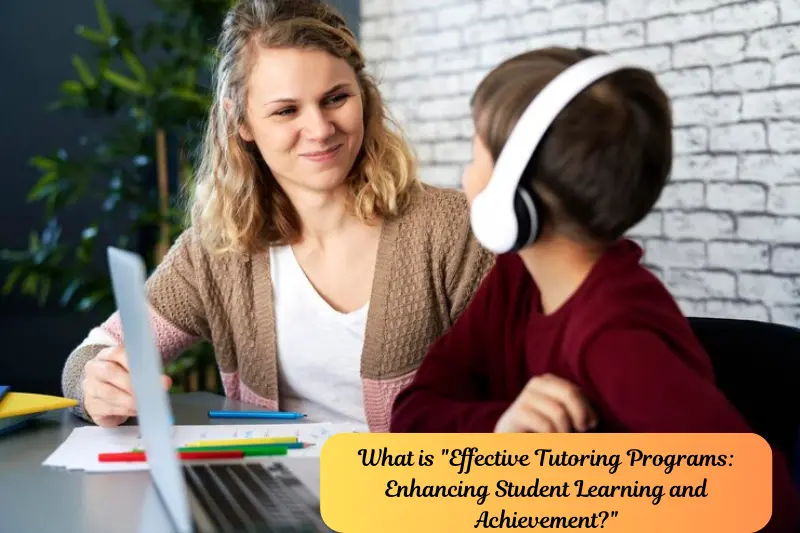
“Effective Tutoring Programs: Enhancing Student Learning and Achievement” refers to structured and well-designed tutoring services aimed at helping students improve their academic performance and build stronger learning habits. These programs focus on individual students’ needs, providing tailored guidance in subjects where they may struggle, as well as reinforcing their strengths.
Effective tutoring programs go beyond traditional tutoring by using proven methods and resources that target specific learning goals. With personalized lesson plans, progress tracking, and adaptable teaching methods, these programs offer a flexible approach that complements what students learn in school. The ultimate goal is to boost students’ understanding, confidence, and academic achievements, setting them up for success in their current studies and future learning endeavors.
You May Also Like It
Navigating School Enrollment: A Step-by-Step Guide for Parents – Shala Darpans
Understanding School Funding: How It Affects Your Child’s Education – Shala Darpans
Essential Resources for New Teachers: Tools to Enhance Classroom Management – Shala Darpans
Why Are Effective Tutoring Programs Important for Enhancing Student Learning and Achievement?
Effective tutoring programs play a crucial role in modern education, offering tailored support that can significantly impact a student’s academic journey. Here’s why these programs are so important:
Personalized Learning Experience
- Tailored to Individual Needs: Tutors can adjust teaching styles and pace according to each student’s unique learning style.
- Targeted Skill Development: Students receive focused assistance on specific subjects or skills they struggle with.
- Adaptive Feedback: Tutors provide real-time feedback, allowing students to understand and correct mistakes immediately.
Increased Confidence and Motivation
- Encourages Active Learning: One-on-one attention helps students feel more comfortable asking questions and engaging in lessons.
- Builds Self-Esteem: Success in tutoring sessions boosts students’ confidence, making them more willing to participate in class.
- Promotes Goal-Setting: Tutors help students set achievable goals, encouraging a positive attitude toward learning and personal growth.
Improved Academic Performance
- Higher Grades and Test Scores: Focused tutoring can lead to better grades and test scores, reflecting improved understanding and retention.
- Strengthens Foundational Knowledge: Tutoring reinforces essential concepts, creating a solid base for future learning.
- Enhances Study Skills: Students learn effective study techniques and time management skills, which benefit their academic performance overall.
Flexible and Convenient Learning Options
- Adaptable Scheduling: Tutoring programs often offer flexible hours that fit students’ busy schedules, whether in-person or online.
- Access to Resources Anywhere: With online tutoring options, students can access help from anywhere, broadening their learning opportunities.
- Self-Paced Progress: Students can revisit challenging topics at their own pace, without the pressure of keeping up with a classroom.
Prepares Students for Future Success
- Lifelong Learning Skills: Tutoring helps students build critical thinking and problem-solving skills that will serve them well beyond school.
- Boosts College and Career Readiness: Students who excel in academics are better prepared for future opportunities, including college and job prospects.
- Instills Discipline and Responsibility: Regular tutoring fosters self-discipline and accountability, key traits for personal and academic growth.
Step-by-Step Guide to Effective Tutoring Programs: Enhancing Student Learning and Achievement

To create an effective tutoring program that truly enhances student learning and achievement, it’s essential to have a well-structured approach. Here’s a step-by-step guide to get you started:
Step 1: Identify Student Needs and Learning Goals
- Assess Learning Gaps: Begin by understanding each student’s strengths and weaknesses. This can be done through assessments, teacher feedback, or previous academic records.
- Set Clear Goals: Collaborate with students to set specific, achievable goals. These could include improving grades in certain subjects, developing better study habits, or preparing for exams.
Step 2: Develop a Personalized Learning Plan
- Customize Lesson Plans: Design lessons that target each student’s unique needs, focusing on areas where they need the most help.
- Incorporate Learning Styles: Some students learn better visually, while others prefer hands-on activities. Tailor your approach to fit each student’s preferred learning style.
- Set a Timeline: Establish a clear timeline for achieving goals, including milestones to track progress along the way.
Step 3: Choose Qualified and Engaging Tutors
- Hire Skilled Tutors: Look for tutors with expertise in the relevant subject areas and teaching experience.
- Focus on Communication Skills: Effective tutors should be able to explain complex topics in simple terms and encourage student engagement.
- Match Tutor and Student Compatibility: When possible, match students with tutors who complement their personalities and learning styles for a more comfortable learning environment.
Step 4: Utilize Effective Teaching Techniques
- Active Learning Strategies: Encourage students to engage in discussions, ask questions, and solve problems actively during sessions.
- Break Down Complex Concepts: Teach difficult topics step-by-step, allowing students to understand foundational elements before moving forward.
- Regular Practice and Reinforcement: Include exercises and practice questions to reinforce learning and build long-term retention.
Step 5: Integrate Technology for Enhanced Learning
- Use Interactive Tools: Online whiteboards, videos, and other digital resources can make learning more engaging and accessible.
- Leverage Online Tutoring Platforms: For remote learning, consider using platforms that offer features like screen sharing, note-taking, and progress tracking.
- Access to Additional Resources: Provide students with access to e-books, quizzes, and other online resources to supplement their learning.
Step 6: Monitor Progress and Provide Feedback
- Regular Assessments: Conduct frequent quizzes, assignments, or tests to monitor students’ progress and understanding.
- Constructive Feedback: Give feedback that encourages students, highlighting their improvements and guiding them on areas to work on.
- Adjust the Plan as Needed: Based on progress, be flexible in adapting the learning plan to focus on new or emerging needs.
Step 7: Encourage Parental Involvement
- Regular Updates: Keep parents informed about their child’s progress, achievements, and areas that need improvement.
- Parental Support for Homework: Encourage parents to support their child’s learning by reinforcing study habits at home.
- Collaborate for Better Results: Partnering with parents can help reinforce learning strategies and keep students motivated.
Step 8: Review and Reflect on Outcomes
- End-of-Program Assessment: At the end of the tutoring program, evaluate the overall progress and achievements made by the student.
- Gather Student and Parent Feedback: Collect feedback to understand the student’s experience and any areas that may need improvement.
- Plan for the Future: Based on the outcomes, decide on next steps, such as continuing with additional tutoring, focusing on new goals, or practicing independently.
Advantages and Disadvantages of Effective Tutoring Programs: Enhancing Student Learning and Achievement
Implementing an effective tutoring program can greatly benefit students, but like any educational approach, it has its pros and cons. Here’s a breakdown of the advantages and disadvantages:
Advantages of Effective Tutoring Programs
Personalized Learning Support
- Tailors lessons to meet individual student needs, focusing on areas where they need improvement.
- Allows for flexible teaching methods that suit each student‘s learning style, leading to more effective comprehension.
Boosts Academic Performance
- Helps students improve their grades, test scores, and overall understanding of subjects.
- Provides regular practice and reinforcement, solidifying concepts and skills.
Improves Confidence and Motivation
- Encourages students to ask questions and participate actively, building their confidence.
- Success in tutoring sessions often leads to a more positive attitude toward school and learning.
Flexible Scheduling and Convenience
- Many tutoring programs offer flexible timings and online options, making it easier for students with busy schedules.
- Remote tutoring allows access to quality tutors, even in areas with limited local resources.
Preparation for Future Learning
- Builds foundational skills and effective study habits that benefit students beyond the tutoring program.
- Develops problem-solving and critical thinking abilities essential for future academic and career success.
Disadvantages of Effective Tutoring Programs
Cost and Accessibility
- High-quality tutoring programs can be expensive, making them less accessible for some families.
- Limited availability of programs or qualified tutors in certain areas may restrict access.
Risk of Dependency
- Some students may become overly reliant on tutoring instead of developing independent learning skills.
- If tutoring is not balanced well, students may struggle to complete tasks without guidance.
Time Commitment
- Tutoring sessions require additional time, which can add pressure to students with already busy schedules.
- Frequent sessions may limit time for extracurricular activities or rest, potentially leading to burnout.
Variable Quality and Consistency
- The effectiveness of tutoring can vary greatly depending on the tutor’s qualifications and teaching style.
- Inconsistent tutoring quality or frequent tutor changes can disrupt a student’s learning progress.
Challenges with Online Tutoring
- Online tutoring may lack the personal touch of in-person sessions, impacting student engagement.
- Technical issues like internet connectivity can interrupt learning, especially in remote or under-resourced areas.
You May Also Like It
Top Educational Websites and Apps for Student Success Detail Guide – Shala Darpan
The Importance of School Safety: Strategies for a Secure Learning Environment – Shala Darpans
Exploring Extracurricular Activities: Benefits for Student Development – Guide By – Shala Darpans
Common FAQs about Effective Tutoring Programs: Enhancing Student Learning and Achievement
What makes a tutoring program “effective”?
An effective tutoring program is one that’s personalized, goal-oriented, and led by qualified tutors who understand how to engage students. These programs focus on each student’s unique needs, helping them improve in specific areas while building confidence and better study habits.
How often should a student attend tutoring sessions?
This depends on the student’s goals and learning needs. For some, weekly sessions might be enough, while others may benefit from more frequent tutoring, especially before tests or during challenging subjects. The key is to find a balance that supports progress without overwhelming the student.
Is online tutoring as effective as in-person tutoring?
Yes, online tutoring can be just as effective as in-person sessions when done well. Many online programs offer interactive tools, video calls, and real-time feedback that keep students engaged. However, in-person tutoring can be beneficial for students who prefer face-to-face interaction.
How long does it take to see improvement with tutoring?
Improvement varies by student, but most students start noticing positive changes within a few weeks to a few months. The timeline depends on factors like the student’s starting point, the frequency of sessions, and the goals set in the tutoring program.
Can tutoring help with learning disabilities?
Yes, many effective tutoring programs are designed to support students with learning disabilities by using specialized strategies that match their learning style. Tutors trained in this area can provide extra patience, structure, and tools that help students overcome learning challenges.
How much does a tutoring program usually cost?
The cost of tutoring programs varies widely based on factors like the tutor’s experience, session length, and whether it’s in-person or online. Some programs charge hourly, while others may offer package deals. It’s best to research options within your budget and evaluate the value they offer.
What should parents look for when choosing a tutoring program?
Parents should look for programs that have experienced, qualified tutors, a personalized learning plan, and regular progress updates. It’s also helpful to check reviews or ask for recommendations to ensure the program has a strong track record of success.
Can a student become too dependent on tutoring?
Yes, if not managed well, some students may start relying on tutoring instead of developing independent study skills. The best tutoring programs encourage independence by teaching students how to approach problems and study effectively on their own.
Are tutoring programs only for students who are struggling?
No, tutoring isn’t just for struggling students! Many students use tutoring to get ahead, prepare for exams, or strengthen specific skills. A good tutoring program can be beneficial for any student looking to improve or enrich their learning experience.
How can I track my child’s progress in a tutoring program?
Most effective tutoring programs provide regular progress reports, assessments, and feedback sessions with parents. You can also ask the tutor for specific goals and milestones to monitor improvement over time.
Conclusion
Effective tutoring programs are powerful tools for boosting student learning and achievement. By offering personalized support, boosting confidence, and building strong study habits, these programs help students reach their academic goals and develop skills that last a lifetime. Whether a student needs help catching up, preparing for exams, or gaining confidence, a well-designed tutoring program can make a big difference, setting them on a path to success.
Bonus Points
Adding a few extra touches to a tutoring program can make it even more impactful. Here are some bonus points to consider:
- Incorporate Fun Learning Activities: Games, quizzes, and creative exercises make learning more enjoyable and engaging, helping students stay motivated.
- Provide Access to Extra Resources: Supplementary materials like e-books, practice tests, and interactive apps can help reinforce what students learn in tutoring sessions.
- Encourage Peer Learning Opportunities: Group sessions or study buddy systems allow students to learn from each other, build teamwork skills, and gain different perspectives.
- Focus on Lifelong Learning Skills: Teaching students skills like time management, critical thinking, and effective note-taking prepares them for academic success beyond tutoring.
- Celebrate Small Wins: Acknowledge students’ progress, whether it’s completing assignments on time or mastering a difficult concept. Celebrating achievements keeps students motivated!
You May Also Like It
How to Access School Reports and Performance Metrics Complete Information – Shala Drpans
Parent-Teacher Communication: Effective Strategies for Engagement – Shala Darpans
Understanding Special Education Services: A Resource for Parents – Shala Darpans
Guide to School District Resources: What’s Available for Families – Shala Darpans