Parent-Teacher Communication: Effective Strategies for Engagement – Shala Darpan
Introduction
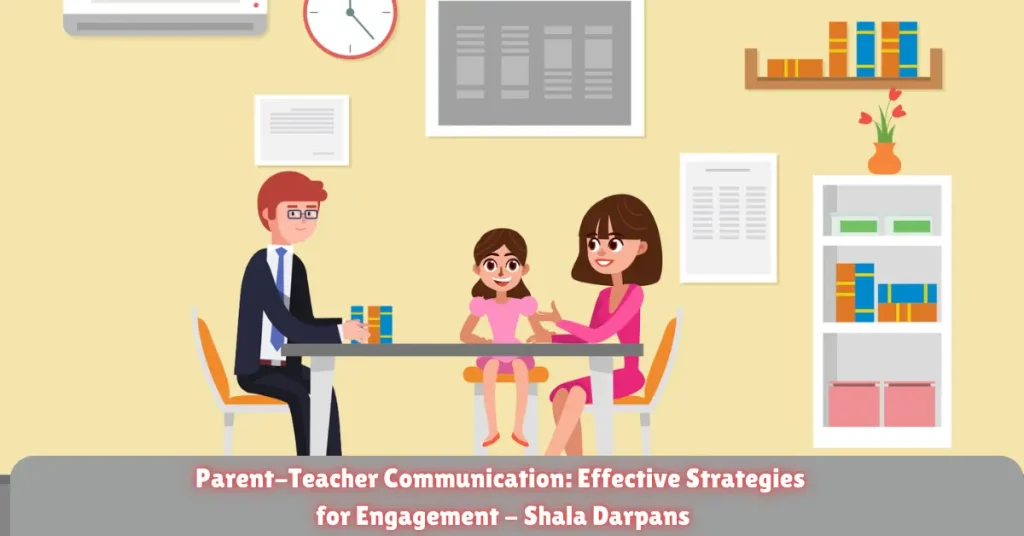
Effective parent-teacher communication is a cornerstone of a successful educational experience. It fosters collaboration between educators and families, ensuring that students receive the support they need to thrive academically and socially. Parent-Teacher Communication: Effective Strategies for Engagement
When parents and teachers engage in open dialogue, they create a positive learning environment that promotes student well-being and achievement.
In today’s fast-paced world, maintaining strong communication can sometimes be challenging. However, it is essential to overcome these barriers and establish effective strategies that facilitate meaningful interactions. This blog post will explore what parent-teacher communication entails, why it is crucial for student development, and practical strategies for enhancing engagement between parents and teachers. By understanding the importance of this communication, we can work together to support our children’s educational journeys and ensure their success.
You May Also Like It:
Innovative Teaching Strategies: Transforming Classroom Experiences – Shala Darpans
The Role Of Technology In Modern Education: Tools For Success – Shala Darpans
After-School Programs: Bridging the Gap in Education – Shala Darpans
What is Parent-Teacher Communication?
Parent-teacher communication refers to the ongoing interaction and dialogue between parents and educators regarding a child’s educational journey. This communication encompasses a variety of methods and formats, all aimed at fostering a collaborative relationship that supports student learning and development.
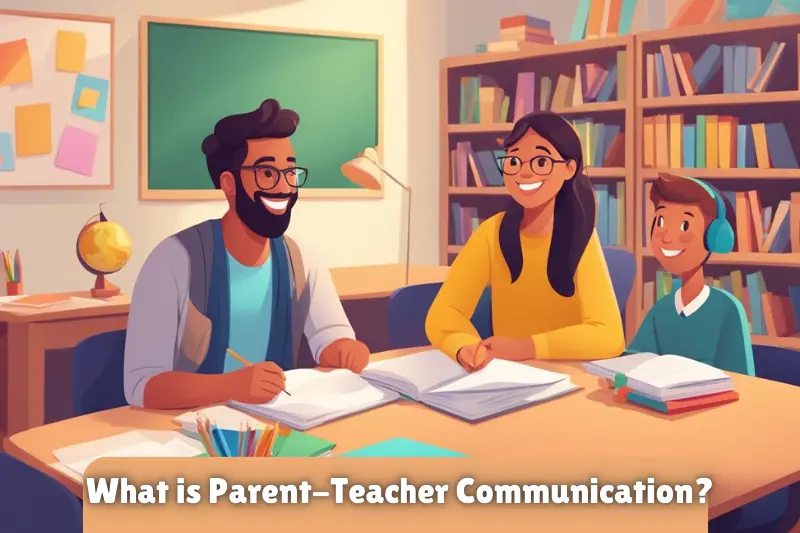
The key aspects of parent-teacher communication include:
- Information Sharing: This involves exchanging valuable information about a student’s academic performance, behavior, and social interactions in school. Teachers can inform parents about their child’s progress, strengths, and areas needing improvement.
- Feedback Mechanism: Effective communication allows parents to provide feedback on their child’s experiences in school, including their interests, challenges, and emotional well-being. This two-way feedback loop is crucial for identifying and addressing any concerns that may arise.
- Building Relationships: Strong communication helps build trusting relationships between parents and teachers, making it easier to collaborate effectively. When parents feel comfortable communicating with educators, they are more likely to engage in their child’s education.
- Supporting Learning: Parent-teacher communication plays a critical role in supporting a child’s learning at home. By staying informed about classroom activities and expectations, parents can reinforce learning and provide appropriate support.
- Community Engagement: Beyond individual students, effective parent-teacher communication fosters a sense of community within the school. It encourages participation in school events and initiatives, creating a supportive environment for all students and families.
Why is Parent-Teacher Communication Important?
Parent-teacher communication is vital for creating a supportive and effective educational environment. Here are several key reasons why this communication is essential:
- Enhances Student Success: When parents and teachers collaborate and share information about a child’s progress, it leads to improved academic outcomes. Research shows that students whose parents are actively involved in their education tend to perform better in school.
- Builds Trust: Open and regular communication fosters trust between parents and educators. This trust is crucial for creating a positive school climate where parents feel comfortable discussing their concerns and seeking support.
- Promotes Engagement: Effective communication encourages parents to take an active role in their child’s education. Engaged parents are more likely to attend school events, volunteer, and support their children’s learning at home.
- Informs Instruction: Teachers gain valuable insights from parents about their child’s strengths, weaknesses, interests, and home environment. This information helps educators tailor their teaching strategies to better meet the needs of each student.
- Facilitates Problem-Solving: When communication channels are open, it becomes easier to address any issues that arise, such as academic challenges or behavioral concerns. Parents and teachers can work together to develop strategies to support the student effectively.
- Supports Social and Emotional Development: Regular communication allows parents to stay informed about their child’s social interactions and emotional well-being. This knowledge enables parents and teachers to work together to foster a positive environment that supports emotional health.
- Encourages Consistency: Clear communication ensures that parents and teachers are on the same page regarding expectations and goals for the student. Consistency between home and school can lead to more effective learning and behavior management.
- Strengthens School Community: Effective communication fosters a sense of community within the school. When parents and teachers collaborate, it builds a supportive network that benefits all students and enhances the overall school experience.
Effective Strategies for Parent-Teacher Communication
Implementing effective strategies for parent-teacher communication can strengthen the partnership between educators and families, ultimately benefiting student development. Here are several proven strategies that can enhance engagement and facilitate open dialogue:
Regular Updates
- Newsletters and Emails: Send regular newsletters or emails to parents highlighting classroom activities, upcoming events, and important announcements. Keeping parents informed helps them feel involved and aware of their child’s education.
- Classroom Websites: Maintain a classroom website or blog that parents can visit to access resources, lesson plans, and updates about their child’s learning. This centralized platform can streamline communication.
Use of Technology
- Communication Apps: Utilize communication tools like ClassDojo, Remind, or Bloomz to send quick messages, reminders, and updates directly to parents. These apps allow for efficient and timely communication.
- Social Media: Create a dedicated class social media page where teachers can share photos, accomplishments, and classroom activities. This can help build a sense of community and keep parents engaged.
Parent-Teacher Conferences
- Scheduled Meetings: Organize regular parent-teacher conferences to discuss student progress, set goals, and address any concerns. These meetings provide a structured opportunity for meaningful dialogue.
- Flexible Timing: Offer conferences at various times, including evenings or weekends, to accommodate different family schedules. This flexibility increases the likelihood of parent participation.
Open Door Policy
- Accessibility: Establish an open-door policy that encourages parents to visit the classroom or contact teachers with questions or concerns. This approach fosters an inviting atmosphere where parents feel comfortable engaging.
- Informal Meetings: Encourage informal check-ins that allow parents to discuss their child’s progress or any concerns without the formality of scheduled meetings.
Encouraging Feedback
- Surveys and Questionnaires: Use surveys or questionnaires to gather parent feedback on communication preferences, concerns, and suggestions for improvement. This feedback can help educators tailor their approach to better meet parents’ needs.
- Open Forums: Host open forums or workshops where parents can express their views, ask questions, and engage in discussions about school initiatives and their child’s education.
Engaging in School Events
- Invitations to Events: Invite parents to participate in school events such as open houses, family nights, and parent workshops. These events provide opportunities for parents to connect with teachers and other families.
- Volunteer Opportunities: Encourage parents to volunteer in the classroom or at school events. Involvement can foster stronger relationships between parents and teachers.
Personalized Communication
- Individualized Messages: Tailor communication to each family’s needs and preferences. Personalizing messages shows parents that their involvement is valued and encourages them to engage further.
- Celebrating Achievements: Share positive news about students’ accomplishments, both big and small. Celebrating successes can strengthen the parent-teacher bond and keep parents engaged.
Barriers to Effective Communication
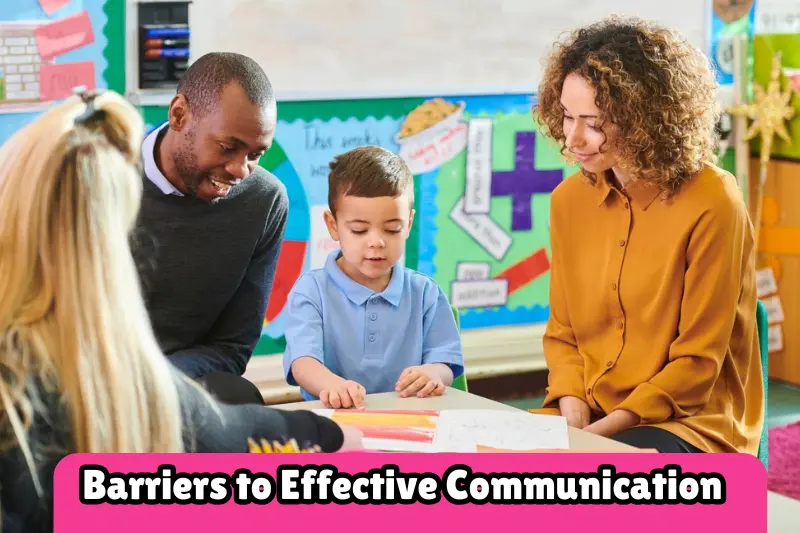
Despite the importance of parent-teacher communication, several barriers can hinder effective dialogue. Recognizing these obstacles is essential for developing strategies to overcome them. Here are some common barriers to effective communication between parents and teachers:
Time Constraints
- Busy Schedules: Parents often juggle work, family responsibilities, and other commitments, making it challenging to find time for communication with teachers.
- Limited Availability: Teachers may have tight schedules with classes, meetings, and other responsibilities, which can limit their availability to meet with parents.
Language Barriers
- Different Languages: In diverse communities, language differences can create misunderstandings or prevent effective communication. Parents who are non-native speakers may struggle to understand important information.
- Lack of Resources: Schools may not always have access to translators or multilingual resources, making it difficult for non-English speaking parents to engage fully.
Cultural Differences
- Cultural Norms: Different cultural backgrounds can influence communication styles and expectations. Some parents may feel uncomfortable approaching teachers due to cultural norms about authority or education.
- Misunderstandings: Cultural differences in expressing concerns or discussing educational practices can lead to misinterpretations or reluctance to communicate.
Emotional Barriers
- Anxiety and Fear: Parents may feel anxious or fearful about communicating with teachers, especially if they have concerns about their child’s performance or behavior. This can prevent them from reaching out.
- Past Negative Experiences: Previous negative interactions with educators may lead to a lack of trust or willingness to engage in open communication.
Lack of Awareness
- Unawareness of Resources: Parents may not be aware of available communication tools, resources, or school events where they can engage with teachers.
- Limited Knowledge of Educational Processes: Some parents may lack knowledge about the school system, making it challenging to understand reports, metrics, or educational expectations.
Technology Challenges
- Digital Divide: Not all families have equal access to technology or the internet, which can limit their ability to engage with digital communication tools.
- Technological Literacy: Parents and teachers may vary in their comfort level with technology, affecting their ability to communicate effectively through digital platforms.
Information Overload
- Excessive Communication: Too much information can overwhelm parents, making it difficult for them to focus on important messages or updates.
- Lack of Clarity: When communication is unclear or poorly organized, parents may struggle to understand essential information, leading to confusion and disengagement.
Assumptions and Biases
- Stereotypes: Assumptions about a family’s background or socio-economic status can lead to biases that impact communication dynamics.
- Preconceived Notions: Teachers may make assumptions about a student based on limited information, which can affect their willingness to communicate openly with parents.
Case Studies and Success Stories
Implementing effective parent-teacher communication strategies can lead to remarkable outcomes for students, schools, and communities. Here are a few case studies and success stories that highlight the positive impact of strong communication between parents and educators.
Pine Valley Elementary School: The Power of Regular Communication
- Pine Valley Elementary School introduced a monthly newsletter that included updates on classroom activities, important dates, and student achievements. The newsletter also featured a section where parents could ask questions or provide feedback.
- Outcome: As a result of the newsletter, parental involvement in school events increased by 30%. Teachers reported improved student behavior and engagement in class, attributing the success to parents being more informed and involved in their children’s education.
Maplewood High School: Bridging Language Barriers
- At Maplewood High School, many families spoke different languages, making communication challenging. To address this, the school implemented a bilingual communication strategy, providing all school communications in both English and the predominant languages of the community.
- Outcome: The school also trained staff members to engage with parents in their native languages. This initiative led to a significant increase in attendance at parent-teacher conferences, with participation rising from 40% to 85%. Parents reported feeling more valued and included in their children’s education, resulting in improved academic performance among students.
Riverbend Middle School: Creating a Welcoming Environment
- Riverbend Middle School recognized that some parents were hesitant to communicate with teachers due to past negative experiences. To foster a more welcoming environment, the school hosted “Coffee with the Principal” events where parents could meet educators informally.
- Outcome: These events encouraged open dialogue and built trust between parents and staff. As a result, the school saw an increase in parent participation in school activities and a decrease in disciplinary issues among students, as parents felt more empowered to discuss concerns and collaborate with teachers.
Sunnydale High School: Leveraging Technology
- Sunnydale High School adopted a communication app that allowed teachers to send instant updates to parents regarding assignments, events, and student progress. Parents could also use the app to communicate with teachers directly.
- Outcome: The app significantly improved communication efficiency, with teachers reporting less time spent on phone calls and emails. Parents expressed higher satisfaction with their level of engagement in their child’s education, leading to better academic performance, particularly among struggling students who benefited from timely feedback and support.
Greenwood Academy: Community Engagement
- Greenwood Academy initiated a “Parent Leadership Council” that included parents, teachers, and community members working together to address school improvement strategies. The council met regularly to discuss student needs and develop action plans.
- Outcome: This collaborative approach fostered a strong sense of community and ownership among parents, leading to increased volunteerism and support for school initiatives. The school saw a marked improvement in student attendance and engagement, and parents reported feeling more connected to the school community.
You May Also Like It:
Inclusive Education: Strategies for Supporting Diverse Learners – A Comprehensive Guide
Community Engagement in Schools: Building Partnerships for Success – Shala Darpans
The Impact Of Early Childhood Education: Setting The Foundation For Lifelong Learning
Common FAQs about Parent-Teacher Communication
What is parent-teacher communication?
Parent-teacher communication refers to the ways in which parents and teachers share information about a student’s progress, behavior, and overall development. This communication can happen through emails, phone calls, meetings, or even school events.
Why is parent-teacher communication important?
Effective communication between parents and teachers is essential because it helps ensure that students receive the support they need. When parents are informed about what’s happening in the classroom, they can reinforce learning at home, address any issues promptly, and celebrate their child’s achievements.
How can parents communicate with teachers?
Parents can communicate with teachers through various methods, including:
Email
Phone calls
School communication apps
Parent-teacher conferences
School events and open houses
What should I discuss during a parent-teacher conference?
During a parent-teacher conference, you can discuss your child’s academic progress, behavior, strengths and weaknesses, any concerns you have, and ways you can support your child’s learning at home.
How often should I communicate with my child’s teacher?
There’s no set rule for how often to communicate, but it’s a good idea to reach out whenever you have questions or concerns. Regular updates, such as newsletters or brief check-ins, can also help keep you informed.
What if I don’t understand something the teacher says?
If you don’t understand something during a conversation, don’t hesitate to ask the teacher for clarification. They are there to help you and want to ensure you have all the information you need.
How can schools improve parent-teacher communication?
Schools can improve communication by:
Offering multiple ways for parents to connect with teachers (email, phone, apps).
Providing translators for non-English speaking families.
Hosting regular events for parents to engage with staff.
Sharing regular updates about classroom activities and student progress.
What if I have concerns about my child’s education?
If you have concerns, it’s important to communicate them with your child’s teacher. You can request a meeting to discuss your concerns in detail and work together on possible solutions.
Are there tools or apps to help with communication?
Yes, there are many communication tools and apps available, such as ClassDojo, Remind, and Bloomz, which can help facilitate easy and quick communication between parents and teachers.
How can I support my child’s learning at home?
You can support your child’s learning by staying informed about their assignments, helping them with homework, encouraging good study habits, and celebrating their achievements to motivate them further.
Conclusion
Parent-teacher communication is a vital part of a student’s education. When parents and teachers work together, they can support students more effectively, helping them thrive in their learning environment. By staying in touch, sharing important information, and addressing concerns together, both parties can create a positive experience for students. Remember, open and honest communication leads to better outcomes for everyone involved, so don’t hesitate to reach out and engage with your child’s teachers!
Bonus Points on Parent-Teacher Communication
- Active Listening: When communicating, practice active listening. This means giving full attention to what the other person is saying and showing that you understand by summarizing or asking questions.
- Stay Positive: Approach conversations with a positive attitude. Celebrate successes and share good news about your child to build a strong partnership with the teacher.
- Set Goals Together: Work with teachers to set achievable goals for your child. This creates a clear plan for support and helps everyone stay focused on the student’s progress.
- Use Technology Wisely: Take advantage of digital tools like messaging apps or school portals to stay updated on assignments, announcements, and your child’s performance.
- Encourage Student Involvement: Involve your child in the communication process. Encourage them to express their thoughts and feelings about school, which can provide valuable insights for both parents and teachers.
- Follow Up: After meetings or discussions, follow up with the teacher to see how things are progressing. This shows that you are committed to your child’s education and helps maintain an open line of communication.
- Be Respectful of Time: Recognize that teachers have busy schedules. Be concise in your communications and respectful of their time, whether it’s during a meeting or through email.
- Stay Informed: Keep yourself updated on school policies, events, and resources available to parents. Being informed can enhance your engagement and enable more meaningful conversations with teachers.
- Attend School Events: Participating in school events, such as open houses and parent workshops, can strengthen your connection with teachers and the school community.
- Advocate for Your Child: Don’t hesitate to advocate for your child’s needs. If you notice any concerns or challenges, bring them up respectfully with the teacher to find solutions together.
You May Also Like It:
Sustainable Education: Initiatives Promoting Environmental Awareness in Schools
Promoting Mental Health Awareness in Schools: Strategies and Initiatives
The Future of STEM Education: Preparing Students for a Tech-Driven World
Parent Involvement in Education: Best Practices for Schools and Families