Extracurricular Activities: Services That Enhance Student Engagement – Shala Darpan
Introduction
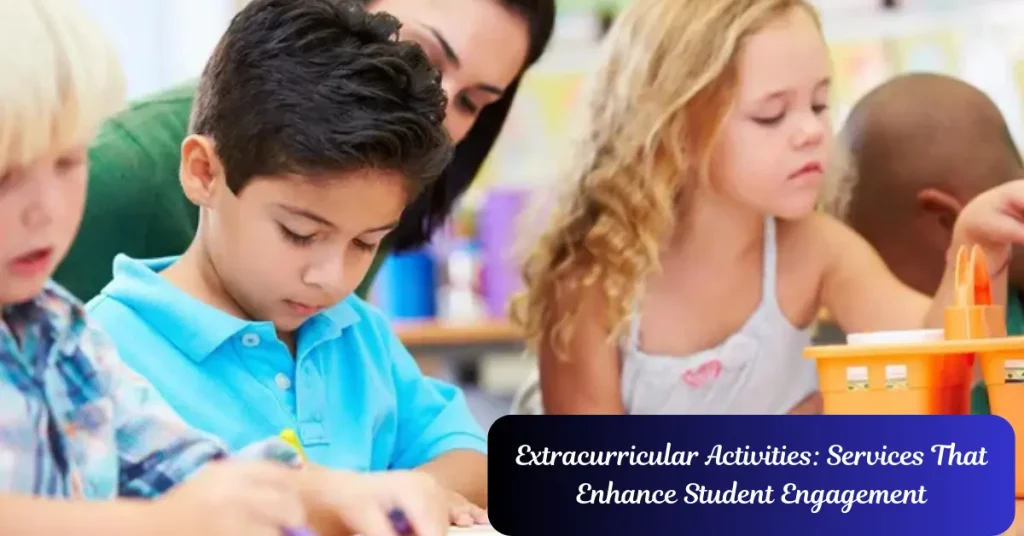
Extracurricular Activities: Services That Enhance Student Engagement play a vital role in the holistic development of students, extending far beyond the confines of traditional classroom learning. These activities encompass a wide range of programs, including sports, clubs, arts, and community service, all designed to engage students in meaningful ways. By participating in extracurricular activities, students are provided with opportunities to explore their interests, develop new skills, and forge lasting friendships.
https://shaladarpans.com.in/category/school-information-and-resources/One of the most significant benefits of these services is their ability to enhance student engagement. When students actively participate in extracurricular activities, they become more connected to their school community, fostering a sense of belonging and pride. This connection not only boosts their motivation to learn but also positively impacts their academic performance and emotional well-being.
Moreover, extracurricular activities are essential for cultivating important life skills, such as teamwork, leadership, and time management. Through hands-on experiences, students learn to navigate challenges, work collaboratively with peers, and take on responsibilities. These skills are invaluable as they prepare for future academic pursuits and career paths.
As schools increasingly recognize the importance of these programs, it becomes evident that extracurricular activities are not just supplementary; they are integral to a comprehensive educational experience. By prioritizing and investing in services that enhance student engagement, educators can help shape well-rounded individuals who are equipped to thrive in an ever-changing world.
What Are Extracurricular Activities: Services That Enhance Student Engagement?

Extracurricular activities refer to a diverse range of programs and experiences that take place outside the traditional academic curriculum in schools. These activities encompass various interests and talents, including sports, music, theater, debate clubs, art classes, student government, volunteer organizations, and more. They are designed to enrich the educational experience, providing students with opportunities to pursue passions and interests that may not be fully explored in the classroom setting.
Services that enhance student engagement within these extracurricular activities focus on creating a vibrant and supportive environment where students feel encouraged to participate and thrive. These services can include:
You May Also Like It
Navigating School Enrollment: A Step-by-Step Guide for Parents – Shala Darpan
Understanding School Funding: How It Affects Your Child’s Education – Shala Darpan
Essential Resources for New Teachers: Tools to Enhance Classroom Management – Shala Darpan
- Skill Development Workshops: Programs that teach students specific skills related to their interests, such as leadership training, public speaking, or artistic techniques. These workshops help students build confidence and competence.
- Mentorship Opportunities: Pairing students with mentors who can guide and support them in their extracurricular pursuits. Mentorship can significantly enhance a student’s engagement by providing personalized guidance and encouragement.
- Community Outreach Programs: Initiatives that connect students with their local communities through service projects or collaborations with local organizations. This engagement not only fosters a sense of responsibility but also helps students see the impact of their efforts.
- Inclusive and Diverse Offerings: Ensuring that there are a wide variety of extracurricular activities available to cater to different interests and backgrounds. This inclusivity encourages more students to find something they are passionate about, enhancing overall engagement.
- Social and Emotional Support Services: Providing resources that address the social and emotional needs of students, such as counseling or workshops on stress management. When students feel supported, they are more likely to engage actively in extracurricular activities.
The Role of Extracurricular Activities: Services That Enhance Student Engagement in Academic Success
Extracurricular activities play a pivotal role in fostering academic success among students by providing enriching experiences that complement classroom learning. These activities serve as vital services that enhance student engagement, leading to a variety of positive outcomes that support and elevate academic performance.
Increased Motivation and Interest in Learning
- Participation in extracurricular activities can significantly boost students’ motivation to learn. Engaging in activities they are passionate about helps students see the relevance of their academic studies. For instance, a student involved in a science club may develop a deeper interest in biology, leading them to excel in their science classes. When students are motivated and engaged, they are more likely to put forth effort in their academic work, resulting in improved grades and a more positive attitude toward learning.
Development of Time Management Skills
- Extracurricular activities require students to balance their academic responsibilities with their commitments outside the classroom. This juggling act fosters essential time management skills that are crucial for academic success. Students learn to prioritize tasks, set goals, and allocate their time efficiently. These skills translate directly into improved academic performance, as students become adept at meeting deadlines and managing their study schedules effectively.
Enhanced Social Skills and Collaboration
- Through participation in team sports, clubs, and group projects, students develop important social skills that contribute to a positive learning environment. Collaboration and teamwork in extracurricular settings teach students how to communicate effectively, resolve conflicts, and work towards common goals. These skills are equally vital in academic settings, where group work and collaborative projects are common. As students practice these skills in extracurricular activities, they become more adept at navigating academic challenges.
Improved Emotional Well-Being
- Extracurricular activities provide a healthy outlet for stress and anxiety, promoting overall emotional well-being. Engaging in hobbies and interests allows students to express themselves and recharge, which can alleviate academic pressures. When students are mentally and emotionally balanced, they are better equipped to focus on their studies and perform well academically.
Building a Supportive Community
- Extracurricular activities foster a sense of belonging and community among students. This supportive environment encourages students to seek help and collaborate with their peers. A strong network of support can be instrumental in academic success, as students feel comfortable discussing challenges and seeking assistance when needed.
Types of Extracurricular Activities: Services That Enhance Student Engagement

Extracurricular activities encompass a broad spectrum of options that cater to diverse interests, talents, and skills among students. These activities serve as services that enhance student engagement by providing opportunities for personal growth, social interaction, and skill development. Here are some of the primary types of extracurricular activities that can significantly enrich the student experience:
Sports Teams
- Participating in sports is one of the most popular forms of extracurricular engagement. Whether it’s basketball, soccer, swimming, or track and field, sports teams foster teamwork, discipline, and physical fitness. Students learn to work collaboratively toward common goals, build resilience through competition, and develop leadership skills.
Clubs and Organizations
- Clubs offer students a chance to explore specific interests in a structured environment. These can range from academic clubs (such as math, science, or debate clubs) to hobby-focused groups (like photography, gaming, or gardening clubs). Clubs often provide opportunities for students to develop specialized skills, engage in competitions, and participate in community service projects.
Performing Arts
- Extracurricular activities in the performing arts, such as theater, music bands, choirs, and dance groups, allow students to express their creativity and showcase their talents. These activities not only enhance artistic skills but also build confidence and stage presence. Participation in performances fosters a sense of achievement and collaboration among students.
Academic Competitions
- Many schools offer academic competitions that challenge students to apply their knowledge in real-world scenarios. This includes events like science fairs, spelling bees, math contests, and Model United Nations. These competitions encourage critical thinking, problem-solving, and public speaking skills, enhancing overall academic engagement.
Community Service Projects
- Involvement in community service is a powerful way for students to engage with their local communities. These projects can range from volunteering at shelters to organizing fundraisers for local charities. Community service activities promote social responsibility, empathy, and a sense of connection to the broader community, enriching the student experience.
Student Government
- Being part of student government provides students with opportunities to develop leadership skills and take an active role in decision-making processes within their schools. Through student councils or committees, students learn about governance, advocacy, and the importance of representation, enhancing their engagement in the school community.
Academic Tutoring and Peer Mentoring
- Extracurricular services that focus on academic tutoring or peer mentoring are valuable for enhancing student engagement. These programs not only support students struggling in specific subjects but also empower those who excel to share their knowledge with others. This collaborative learning environment fosters a culture of academic support and success.
Cultural and Diversity Clubs
- Cultural and diversity clubs promote awareness and appreciation of different backgrounds and perspectives. These clubs provide a platform for students to share their heritage, celebrate diversity, and engage in discussions about social justice and inclusion. Such activities enhance student engagement by fostering an inclusive environment where all voices are heard and valued.
Extracurricular Activities: Services That Enhance Student Engagement in Personal Development
Extracurricular activities are instrumental in promoting personal development among students, offering services that go beyond academic learning to foster growth in various aspects of their lives. Through participation in these activities, students gain valuable experiences that shape their identities, build essential life skills, and prepare them for future challenges. Here are several ways in which extracurricular activities enhance student engagement in personal development:
Building Self-Confidence
- Engaging in extracurricular activities helps students build self-confidence by allowing them to explore their interests and talents in a supportive environment. Whether it’s performing in a school play, competing in sports, or presenting in a debate, each experience contributes to a student’s sense of self-worth. As they overcome challenges and achieve goals, their confidence in their abilities grows, positively impacting all areas of their lives.
Developing Leadership Skills
- Many extracurricular activities offer students opportunities to take on leadership roles, whether through student government, club president positions, or team captaincy. These roles require students to make decisions, motivate their peers, and manage group dynamics, all of which are essential leadership skills. As they navigate these responsibilities, students learn to communicate effectively, resolve conflicts, and inspire others, preparing them for future leadership positions in their academic and professional careers.
Fostering Emotional Intelligence
- Participation in extracurricular activities often involves working closely with others, which can enhance students’ emotional intelligence. Through collaborative projects, team sports, or arts performances, students learn to understand and manage their own emotions while being empathetic towards others. This emotional awareness helps them develop stronger relationships, navigate social situations, and respond to challenges with resilience and empathy.
Enhancing Social Skills
- Extracurricular activities provide a platform for students to interact with peers from diverse backgrounds, helping them develop essential social skills. Through teamwork and collaboration, students learn to communicate, listen, and work effectively with others. These interactions promote inclusivity, tolerance, and respect for different perspectives, enriching their social experiences and preparing them for diverse environments in the future.
Promoting Time Management and Organization
- Balancing academic responsibilities with extracurricular commitments requires effective time management and organizational skills. Students learn to prioritize tasks, set goals, and manage their schedules efficiently. These skills are crucial for personal development, as they enable students to handle various responsibilities in both their academic and personal lives, fostering a sense of discipline and self-management.
Encouraging Goal Setting and Perseverance
- Extracurricular activities often involve setting goals, whether it’s improving a skill, preparing for a performance, or winning a competition. Through this process, students learn the importance of perseverance, hard work, and commitment. They experience firsthand the satisfaction that comes from working towards a goal and overcoming obstacles, instilling a strong work ethic that will benefit them in all areas of life.
Exploring Interests and Passions
- Extracurricular activities allow students to explore their interests and passions outside of the academic curriculum. Whether through arts, sports, or academic clubs, students have the freedom to pursue what they love, which can lead to increased motivation and fulfillment. Discovering these passions not only enhances personal development but can also guide students in their future educational and career choices.
Challenges in Extracurricular Activities: Services That Enhance Student Engagement
While extracurricular activities offer numerous benefits for student engagement and personal development, they also come with a variety of challenges that can hinder participation and effectiveness. Recognizing these challenges is crucial for schools, educators, and policymakers to create an environment where students can thrive. Here are some common challenges associated with extracurricular activities:
Limited Resources
- Many schools face constraints in terms of funding, facilities, and staffing for extracurricular programs. Limited financial resources can lead to a lack of diverse activities, insufficient equipment, or inadequate training for coaches and advisors. This scarcity can discourage student participation and hinder the quality of the programs offered.
Balancing Academics and Extracurriculars
- Students often struggle to find a balance between their academic responsibilities and extracurricular commitments. The pressure to excel in academics can lead some students to prioritize schoolwork over extracurricular involvement, which can limit their engagement in valuable activities that promote personal development. This tension can result in stress and burnout, affecting both academic performance and overall well-being.
Time Constraints
- With the increasing demands of coursework, extracurricular activities, part-time jobs, and family responsibilities, students may find it challenging to allocate sufficient time to participate fully in extracurricular programs. This lack of time can lead to lower engagement levels, as students may feel overwhelmed and unable to commit to regular practices, meetings, or events.
Inclusion and Accessibility Issues
- Extracurricular activities must be inclusive and accessible to all students, regardless of their backgrounds, interests, or abilities. Unfortunately, some programs may inadvertently exclude certain groups, whether due to financial barriers, physical accessibility issues, or a lack of representation. This can discourage participation from students who may already feel marginalized, reducing the overall effectiveness of these activities in enhancing student engagement.
Lack of Student Interest or Awareness
- Some students may not be aware of the available extracurricular activities or may not find them appealing. If schools do not effectively promote their programs or if the offerings do not align with students’ interests, engagement levels can dwindle. Schools must continuously assess and adapt their programs to meet the evolving interests of the student body.
Competition and Pressure
- In highly competitive environments, students may feel pressure to excel in extracurricular activities, similar to their academic pursuits. This competition can lead to anxiety, stress, and a negative experience for some students, especially if they perceive their value as tied to their performance in these activities. It’s essential to foster a healthy environment that emphasizes personal growth and enjoyment rather than solely focusing on competition.
Inadequate Training and Support for Advisors
- The effectiveness of extracurricular activities often relies on the leadership and guidance of teachers and advisors. If these individuals lack proper training or support, it can impact the quality of the program and student engagement. Schools need to invest in professional development for staff involved in extracurricular activities to ensure they can effectively guide and mentor students.
Strategies for Promoting Extracurricular Activities: Services That Enhance Student Engagement
To maximize the benefits of extracurricular activities and enhance student engagement, schools and organizations must implement effective strategies that promote participation and support a vibrant extracurricular culture. Here are several strategies that can be employed to encourage student involvement in these enriching services:
Comprehensive Awareness Campaigns
- Creating awareness about available extracurricular activities is crucial. Schools can utilize various channels—such as school newsletters, social media, announcements, and informational fairs—to promote their programs. Highlighting the benefits, activities, and successes of past participants can spark interest among students who may not be aware of what’s offered.
Involvement of Student Leaders
- Encouraging student leaders to take an active role in promoting extracurricular activities can be highly effective. Student ambassadors or representatives can share their experiences, organize events, and lead recruitment efforts. This peer-to-peer approach often resonates better with fellow students, making them more likely to participate.
Showcase Success Stories
- Sharing success stories of students who have benefited from extracurricular involvement can inspire others to participate. Schools can highlight achievements in newsletters, during assemblies, or on social media. Whether it’s a student who gained confidence through a drama club or an athlete who received a scholarship, these stories can motivate peers to get involved.
Offer Diverse and Inclusive Options
- To engage a broader range of students, schools should offer a diverse array of extracurricular activities that cater to various interests, talents, and backgrounds. This includes sports, arts, academic clubs, and community service opportunities. Inclusivity ensures that all students feel represented and welcomed, increasing the likelihood of participation.
Flexible Scheduling
- Understanding that students have varying schedules, schools should consider flexible meeting times for extracurricular activities. Offering multiple sessions or alternate times can accommodate students’ academic and personal commitments, making it easier for them to participate without feeling overwhelmed.
Parent and Community Involvement
- Engaging parents and the wider community can help promote extracurricular activities effectively. Schools can hold informational meetings for parents to highlight the importance of these activities in fostering student development. Community partnerships can also provide resources, mentorship, and sponsorship opportunities, enhancing the overall experience for students.
Incentives and Recognition Programs
- Implementing incentive programs can motivate students to participate in extracurricular activities. Schools might consider offering awards, certificates, or recognition events to celebrate student involvement and achievements. Acknowledging participation and accomplishments can encourage others to join and contribute to a positive atmosphere.
Feedback and Adaptation
- Regularly seeking feedback from students about their interests and experiences in extracurricular activities is essential. Surveys or focus groups can help schools understand what works and what doesn’t, allowing them to adapt programs to better meet student needs. This responsiveness can increase student engagement and satisfaction.
Collaboration Across Disciplines
- Encouraging collaboration between different departments can lead to innovative extracurricular offerings. For example, integrating science with art in a nature photography club or blending sports with health education can create unique programs that attract students from various interests, fostering a more engaging environment.
Emphasize Skill Development
- Highlighting the personal and professional skills gained through participation in extracurricular activities can encourage students to get involved. Schools can provide information about how these skills—such as teamwork, leadership, communication, and time management—translate to real-world success, making participation more appealing.
Advantages and Disadvantages of Extracurricular Activities: Services That Enhance Student Engagement
Extracurricular activities play a vital role in enhancing student engagement and overall development. However, while they offer numerous benefits, there are also some potential downsides to consider. Here’s a breakdown of the advantages and disadvantages of these activities.
Advantages
Holistic Development
- Personal Growth: Extracurricular activities promote personal development by helping students build confidence, leadership skills, and emotional intelligence.
- Skill Acquisition: Students develop a range of skills, such as teamwork, time management, and problem-solving, that are valuable in both academic and real-world contexts.
Improved Academic Performance
- Enhanced Focus: Participation in extracurriculars can improve focus and motivation in academic settings, as students often feel more engaged in their overall school experience.
- Higher Achievement: Research suggests that students involved in extracurricular activities tend to perform better academically, as they learn to balance multiple responsibilities.
Social Connections
- Building Friendships: These activities provide opportunities for students to meet peers with similar interests, fostering social connections and a sense of belonging.
- Networking: Students can build valuable networks that may benefit them in the future, both personally and professionally.
Health and Well-Being
- Physical Activity: Sports and fitness-related extracurriculars promote physical health and can help combat stress and anxiety.
- Emotional Support: Participation in group activities provides emotional support and a sense of community, which is crucial for mental well-being.
Exploration of Interests
- Discovering Passions: Students can explore different interests and talents, helping them identify potential career paths or lifelong hobbies.
- Creativity: Extracurricular activities often encourage creative expression through arts, music, and performance.
Disadvantages
Time Commitment
- Overwhelm: Balancing academics, extracurricular activities, and personal life can lead to stress and burnout for students who take on too many commitments.
- Neglect of Studies: Some students may prioritize extracurriculars over academics, leading to a decline in academic performance.
Limited Participation
- Exclusivity: Not all students may have equal access to extracurricular activities due to factors such as financial constraints, lack of transportation, or scheduling conflicts.
- Social Barriers: Some students may feel intimidated or unwelcome in certain activities, leading to exclusion and decreased participation.
Pressure and Competition
- Stress and Anxiety: The competitive nature of some extracurricular activities can create stress and anxiety, negatively impacting students’ mental health.
- Fear of Failure: Students may feel pressure to perform, which can lead to a fear of failure that detracts from the enjoyment of the activity.
Resource Allocation
- Funding Issues: Limited school budgets can affect the quality and availability of extracurricular programs, potentially leading to dissatisfaction among students and parents.
- Staffing Challenges: Inadequate staffing or training for advisors can result in poorly managed programs that fail to engage students effectively.
Impact on Family Life
- Less Family Time: Heavy involvement in extracurricular activities can reduce the time students spend with family, which is important for their emotional and social development.
- Scheduling Conflicts: Family commitments and extracurricular activities can clash, leading to stress for both students and parents.
You May Also Like It
Top Educational Websites and Apps for Student Success Detail Guide – Shala Darpan
The Importance of School Safety: Strategies for a Secure Learning Environment – Shala Darpan
Exploring Extracurricular Activities: Benefits for Student Development – Guide By – Shala Darpan
Common FAQs about Extracurricular Activities: Services That Enhance Student Engagement
What are extracurricular activities?
Extracurricular activities are programs and clubs that students can participate in outside of their regular classes. They can include sports teams, music and art groups, debate clubs, and volunteer organizations. These activities help students explore their interests, develop new skills, and make friends.
Why are extracurricular activities important?
Extracurricular activities are important because they promote personal growth, improve academic performance, and help students build social connections. They also provide opportunities to discover new interests and enhance skills like teamwork and leadership.
How can I get involved in extracurricular activities?
To get involved, check with your school about the activities offered. You can often find information in school newsletters, on bulletin boards, or on the school’s website. Attend informational meetings or sign-up events to learn more and find a group that interests you!
What if I don’t have time for extracurricular activities?
It’s understandable to feel busy! Try to choose one or two activities that you are really interested in, so you don’t feel overwhelmed. Many students find that participating in just a few activities helps them manage their time better while still having fun.
Can extracurricular activities help with my academics?
Yes! Many studies show that students who participate in extracurricular activities often perform better academically. These activities can help improve focus, motivation, and time management skills, which can positively impact schoolwork.
What types of extracurricular activities should I consider?
Think about your interests! If you enjoy sports, consider joining a team. If you like music or art, look for bands, choirs, or art clubs. There are also clubs for academics, like science or debate, and volunteer opportunities that can be rewarding. There’s something for everyone!
Are there any costs associated with extracurricular activities?
Some extracurricular activities may require fees for uniforms, materials, or trips. However, many schools offer scholarships or financial assistance to help cover costs. Be sure to ask your school about available options if you’re concerned about expenses.
What if I feel nervous about joining a new activity?
Feeling nervous is completely normal! Try to remember that everyone else is there to learn and have fun too. Start by attending a meeting or watching a practice to see what it’s like. Most clubs and teams are welcoming, and you’ll likely make new friends along the way.
How do extracurricular activities benefit my future?
Participating in extracurricular activities can help you develop skills that are valuable in the future, like leadership, teamwork, and communication. These experiences also enhance your resume or college applications, showing that you are well-rounded and engaged in your community.
Can I participate in more than one activity?
Absolutely! Many students participate in multiple extracurricular activities. Just be sure to manage your time well so you can enjoy each activity without feeling overwhelmed. Choose activities that you are passionate about, and balance your commitments!
Conclusion
Extracurricular activities are a great way for students to get involved, make friends, and develop new skills. They help enhance student engagement by providing opportunities for personal growth and academic improvement. Whether it’s joining a sports team, participating in a club, or volunteering in the community, these activities offer something for everyone. Remember, it’s all about finding what interests you and having fun while learning! Don’t hesitate to explore different options and enjoy the benefits of being engaged outside the classroom.
Bonus Points
- Lifelong Friendships: Many students form lasting friendships through extracurricular activities, creating bonds that extend beyond school years.
- Networking Opportunities: Participation can help students connect with mentors, peers, and professionals who can guide them in their academic and career paths.
- Cultural Exposure: Extracurriculars often include diverse groups and activities, giving students a chance to learn about different cultures and perspectives.
- Improved Time Management: Balancing academics with extracurricular activities teaches students how to prioritize and manage their time effectively.
- Resilience Building: Facing challenges in competitions or performances helps students build resilience and learn how to cope with setbacks.
- Boosted Confidence: Engaging in activities outside the classroom can significantly boost self-esteem and confidence as students achieve personal goals.
- Skill Development: Students acquire practical skills that are not typically taught in the classroom, such as public speaking, project management, and negotiation.
- Enhanced Creativity: Activities like arts and drama encourage creative thinking and self-expression, which are essential skills in many fields.
- Community Impact: Many extracurriculars involve community service, allowing students to give back and make a positive impact in their neighborhoods.
- Preparation for College and Careers: Being involved in extracurricular activities can enhance college applications and resumes, showcasing well-roundedness and commitment.
You May Also Like It
How to Access School Reports and Performance Metrics Complete Information – Shala Drpan
Parent-Teacher Communication: Effective Strategies for Engagement – Shala Darpan
Understanding Special Education Services: A Resource for Parents – Shala Darpan
Guide to School District Resources: What’s Available for Families – Shala Darpan