Promoting Mental Health Awareness in Schools: Strategies and Initiatives
Introduction
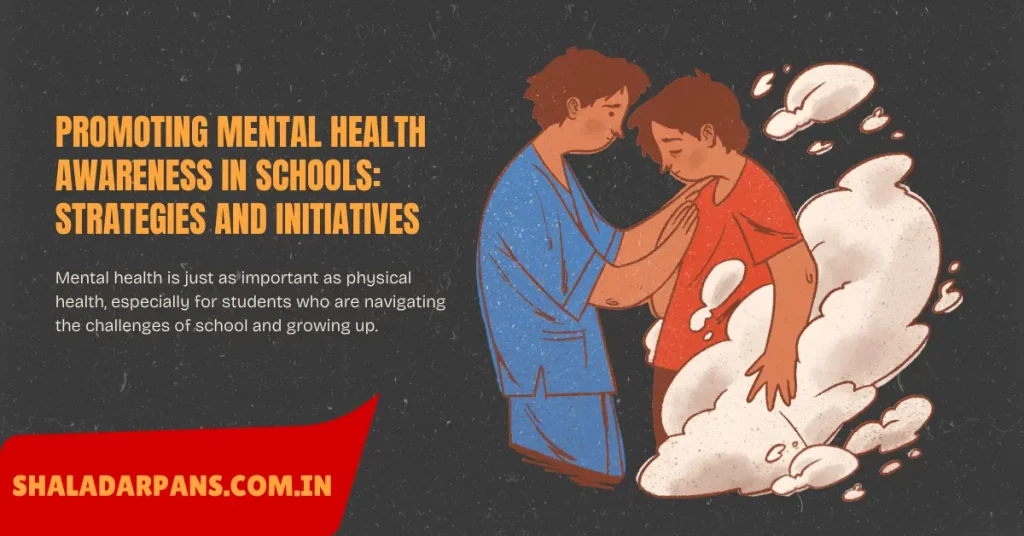
Mental health is just as important as physical health, especially for students who are navigating the challenges of school and growing up. Unfortunately, many young people face stress, anxiety, and other mental health issues that can affect their happiness and success. That’s why Promoting Mental Health Awareness in Schools: Strategies and Initiatives is so crucial. By teaching students about mental well-being and providing them with support, we can help them build the skills they need to manage their emotions and stress. This blog post will explore effective strategies and initiatives that schools can adopt to create a positive environment where students feel safe, supported, and empowered to talk about mental health. Together, we can make a difference in the lives of students and help them thrive both in and out of the classroom.
What is “Promoting Mental Health Awareness in Schools: Strategies and Initiatives”?

Promoting mental health awareness in schools involves creating an environment where students can openly discuss mental health topics, understand the importance of mental well-being, and access support when needed. It is a proactive approach aimed at educating students, teachers, and the wider school community about mental health issues and fostering a culture of understanding and acceptance.
Strategies refer to the specific methods or plans implemented by schools to enhance mental health awareness. These can include integrating mental health education into the curriculum, training staff to recognize signs of distress, and establishing peer support programs. By adopting these strategies, schools aim to reduce stigma, encourage help-seeking behavior, and create a supportive atmosphere for all students.
Initiatives are specific programs or events designed to raise awareness and promote mental health. These can include mental health awareness weeks, workshops, guest speakers, and partnerships with local mental health organizations. Initiatives often focus on engaging the entire school community, including parents and caregivers, to foster a collective understanding of mental health and the resources available for support.
Why is Promoting Mental Health Awareness in Schools Important?
You May Also Like It!
Understanding Student Support Services: A Guide for Parents and Students – Shala Darpans
How to Access Mental Health Resources for Students in Schools – Shala Darpans
The Role of School Counselors: Supporting Students’ Academic and Personal Growth
Promoting mental health awareness in schools is crucial for several reasons. It not only benefits students but also creates a healthier and more supportive school environment. Here are some key points highlighting its importance:
Reduces Stigma
- Encourages Open Discussion: By normalizing conversations about mental health, students feel more comfortable discussing their feelings and seeking help.
- Promotes Understanding: Education helps dispel myths and misconceptions about mental health, fostering a more compassionate school community.
Supports Academic Success
- Improves Concentration and Focus: Mental health issues can hinder a student’s ability to learn. Awareness initiatives can help students manage stress and stay focused.
- Enhances Performance: When students feel supported and understood, their academic performance tends to improve.
Encourages Early Intervention
- Identifies Issues Early: Educated staff and peers can recognize signs of mental health struggles and intervene before problems escalate.
- Access to Resources: Increased awareness can lead students to utilize available mental health resources sooner, improving outcomes.
Promotes Social and Emotional Skills
- Develops Coping Strategies: Programs focused on mental health teach students valuable skills for managing stress, anxiety, and other emotional challenges.
- Fosters Resilience: Building emotional resilience prepares students to face future challenges both in and out of school.
Creates a Safe and Inclusive Environment
- Reduces Bullying and Isolation: A focus on mental health promotes inclusivity and helps prevent bullying by fostering empathy among students.
- Builds Community: When students support one another, it strengthens relationships and creates a sense of belonging within the school.
Involves Parents and the Community
- Enhances Awareness at Home: Involving parents in mental health initiatives helps them understand their child’s experiences and encourages open communication.
- Strengthens Community Ties: Collaborating with local mental health organizations can provide additional resources and support for families.
Strategies for Promoting Mental Health Awareness

Implementing effective strategies to promote mental health awareness in schools is essential for creating a supportive environment. Here are some practical strategies that schools can adopt:
Integrate Mental Health Education into the Curriculum
- Teach Mental Health Concepts: Incorporate lessons about mental health, emotional well-being, and coping strategies into existing subjects like health, science, or social studies.
- Use Age-Appropriate Resources: Utilize materials and activities that are suitable for different age groups to engage students effectively.
Provide Training for Educators and Staff
- Professional Development Workshops: Offer training sessions focused on mental health awareness, recognizing signs of distress, and effective intervention strategies.
- Ongoing Support: Create opportunities for teachers and staff to continue learning about mental health issues and share best practices.
Establish Peer Support Programs
- Peer Mentoring: Develop programs where older students mentor younger ones, providing guidance and support for navigating school life and mental health challenges.
- Student Leadership Training: Equip student leaders with the knowledge and skills to help their peers and promote mental health initiatives.
Organize Mental Health Awareness Events
- Awareness Days or Weeks: Host special events dedicated to mental health, featuring guest speakers, workshops, and activities to engage the school community.
- Community Involvement: Invite parents and local organizations to participate in these events to broaden the impact.
Create Accessible Counseling Services
- On-Site Counseling: Ensure that schools have trained counselors available to provide support and resources to students facing mental health challenges.
- Promote Confidentiality: Make sure students know they can seek help without fear of judgment or disclosure.
Foster a Positive and Inclusive School Culture
- Implement Anti-Bullying Programs: Create a culture of respect and acceptance by actively addressing bullying and promoting kindness among students.
- Encourage Open Communication: Establish channels for students to express their feelings and concerns, ensuring they feel heard and valued.
Utilize Technology and Digital Resources
- Mental Health Apps: Introduce students to mental health apps that offer resources for managing stress, anxiety, and emotional well-being.
- Online Workshops and Resources: Provide virtual access to mental health workshops and resources for students and parents.
Regularly Evaluate and Adapt Strategies
- Conduct Surveys and Gather Feedback: Regularly assess students’ mental health needs and the effectiveness of existing initiatives through surveys and feedback mechanisms.
- Adjust Programs as Needed: Use the feedback collected to modify and improve mental health programs, ensuring they meet the evolving needs of students.
Initiatives to Consider for Promoting Mental Health Awareness in Schools
In addition to strategies, specific initiatives can significantly enhance mental health awareness in schools. Here are some impactful initiatives that schools can implement:
Mental Health Awareness Days
- Special Events: Designate specific days to focus on mental health topics, featuring activities, discussions, and workshops that educate students and staff about mental well-being.
- Guest Speakers: Invite mental health professionals to share their expertise and personal stories, fostering understanding and connection.
Workshops and Training Sessions
- Student Workshops: Organize interactive sessions where students can learn about mental health, stress management techniques, and coping strategies.
- Parent and Community Workshops: Offer workshops for parents and community members to help them understand mental health issues and how to support their children.
Mental Health Resource Fairs
- Information Booths: Host fairs where local mental health organizations can set up booths to provide information about services, resources, and support available in the community.
- Interactive Activities: Include fun and engaging activities to draw in students and encourage them to learn more about mental health.
Partnerships with Mental Health Organizations
- Collaboration: Partner with local mental health agencies to provide additional resources, counseling services, and training for staff and students.
- Referral Services: Create a system for students to access external mental health resources easily, ensuring they receive the help they need.
Mindfulness and Wellness Programs
- Mindfulness Practices: Incorporate mindfulness activities such as meditation, yoga, or deep-breathing exercises into the school day to help students manage stress and improve focus.
- Wellness Challenges: Organize challenges that encourage students to engage in healthy habits, such as physical activity, journaling, or practicing gratitude.
Support Groups and Peer Counseling
- Student-Led Support Groups: Create safe spaces for students to share their experiences and support each other, guided by trained peer facilitators.
- Counseling Drop-In Hours: Offer designated times when students can drop in for informal chats with counselors to discuss their mental health concerns.
Mental Health Policy Development
- School Mental Health Policy: Develop a comprehensive mental health policy outlining the school’s commitment to mental health awareness and support.
- Clear Protocols: Establish clear procedures for how mental health issues are addressed within the school, ensuring consistency and accessibility.
Regular Mental Health Assessments
- Surveys and Evaluations: Conduct regular assessments to monitor students’ mental health needs and the effectiveness of existing initiatives.
- Data-Driven Decisions: Use the information gathered to inform policy changes and improvements to mental health programs.
You May Also Like It!
Navigating the Teacher Support System: Resources for Educators – Shala Darpans
Effective Tutoring Programs: Enhancing Student Learning and Achievement – Shala Darpans
Career Counseling for Students: Finding the Right Path After Graduation – Shala Darpans
Common FAQs About Promoting Mental Health Awareness in Schools
What is mental health awareness?
Mental health awareness means understanding and discussing mental health issues, recognizing their importance, and knowing how to support ourselves and others. It helps reduce stigma and encourages people to seek help when needed.
Why is mental health awareness important in schools?
Mental health awareness is important in schools because it helps create a safe and supportive environment for students. It allows them to learn about their emotions, understand mental health issues, and encourages them to seek help if they’re struggling.
How can schools promote mental health awareness?
Schools can promote mental health awareness by integrating mental health education into their curriculum, organizing awareness events, providing training for staff, and creating a supportive environment where students feel safe to talk about their feelings.
What are some effective strategies for promoting mental health in schools?
Some effective strategies include:
Teaching mental health concepts in classes.
Offering workshops for students and parents.
Providing access to counseling services.
Organizing mental health awareness days.
What initiatives can schools implement for mental health awareness?
Schools can implement various initiatives, such as:
Hosting mental health resource fairs.
Creating peer support programs.
Partnering with local mental health organizations.
Organizing mindfulness and wellness activities.
How can teachers support students’ mental health?
Teachers can support students by being aware of their needs, creating a positive classroom environment, providing opportunities for open discussions about feelings, and connecting students with mental health resources when needed.
How can parents get involved in mental health awareness at school?
Parents can get involved by attending workshops, participating in school events focused on mental health, and maintaining open communication with their children about feelings and mental health topics.
What should a student do if they are struggling with their mental health?
If a student is struggling with their mental health, they should talk to someone they trust, like a teacher, counselor, or parent. Seeking help is a strong and positive step toward feeling better.
How can schools measure the success of their mental health programs?
Schools can measure success by conducting surveys to gather feedback from students and staff, tracking participation in mental health events, and evaluating the effectiveness of counseling services.
What resources are available for schools looking to improve mental health awareness?
Many resources are available, including:
Local mental health organizations.
Online training programs for educators.
Educational materials and toolkits focused on mental health topics.
Conclusion
Promoting mental health awareness in schools is vital for creating a safe and supportive environment for students. By educating students and staff, organizing engaging initiatives, and encouraging open conversations about mental health, schools can help reduce stigma and foster emotional well-being. When students feel supported and understood, they are better equipped to succeed both academically and personally. Together, we can make mental health a priority in our schools and ensure every student has the resources they need to thrive.
Bonus Points on Promoting Mental Health Awareness in Schools
Here are some additional ideas and tips that can enhance mental health awareness initiatives in schools:
Use Social Media Wisely
- Leverage social media platforms to share mental health tips, resources, and inspirational messages. Create campaigns that encourage students to engage positively online.
Celebrate Mental Health Awareness Month
- Participate in or create events during Mental Health Awareness Month (May) to draw attention to mental health issues, engage the community, and promote self-care practices.
Incorporate Art and Creative Expression
- Encourage students to express their feelings through art, music, or writing. Host exhibits or performances that focus on mental health themes, allowing students to share their experiences creatively.
Engage Student Councils
- Involve student councils in planning and executing mental health initiatives. This not only empowers students but also ensures that programs resonate with their peers.
Create a Mental Health Resource Hub
- Develop a dedicated space within the school, whether physical or digital, where students can access information about mental health services, coping strategies, and support groups.
Encourage Physical Activity
- Promote physical health as part of mental wellness. Organize sports events, fitness classes, or outdoor activities that encourage students to stay active and relieve stress.
Conduct Anonymous Feedback Surveys
- Use anonymous surveys to gather student feedback about mental health programs and initiatives. This helps identify areas for improvement and ensures that students feel heard.
Host Parent-Teacher Meetings Focused on Mental Health
- Organize meetings specifically aimed at educating parents about mental health issues and how they can support their children at home.
Offer Resource Materials for Home
- Provide pamphlets, brochures, and online resources that students and parents can take home, ensuring they have access to information and support outside of school.
Lead by Example
- Encourage school leaders and teachers to share their own experiences with mental health challenges, showing vulnerability and promoting a culture of openness and support.
You May Also Like It!
Extracurricular Activities: Services That Enhance Student Engagement – Shala Darpans
Staff Development Programs: Investing in Educators for Better Learning Outcomes
Student Grievance Redressal Mechanisms: Understanding Your Rights – Shala Darpans
Parent Involvement Services: How Schools Support Family Engagement – Shala Darpans