The Importance of School Safety: Strategies for a Secure Learning Environment – Shala Darpan
Introduction
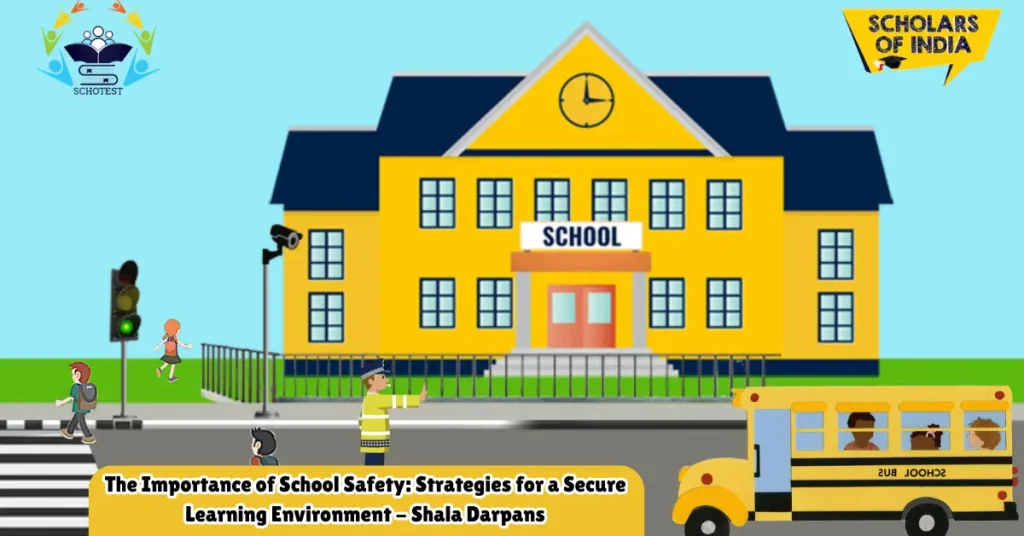
In today’s rapidly changing world, the safety of students and staff in schools is of paramount importance. The increasing prevalence of violence, bullying, and mental health issues has made school safety a critical topic for educators, parents, and policymakers alike. The Importance of School Safety: Strategies for a Secure Learning Environment.A secure learning environment is essential not only for the physical well-being of students but also for their emotional and academic success.
In this blog post, we will explore the significance of school safety, examine the various components that contribute to a safe learning environment, and discuss effective strategies that can be implemented to enhance safety in schools.
You May Also Like It:
Innovative Teaching Strategies: Transforming Classroom Experiences – Shala Darpans
The Role Of Technology In Modern Education: Tools For Success – Shala Darpans
After-School Programs: Bridging the Gap in Education – Shala Darpans
What is School Safety?
School safety encompasses the policies, procedures, and practices designed to protect students, staff, and visitors from harm while they are on school premises. This concept includes physical safety measures, such as secure access points and emergency protocols, as well as emotional and psychological safety, which addresses bullying, harassment, and mental health concerns. Ensuring school safety requires a comprehensive approach that involves all stakeholders, including educators, parents, law enforcement, and the broader community.
The Importance of School Safety
- The significance of school safety cannot be overstated. A secure learning environment fosters academic achievement, enhances student engagement, and promotes a positive school climate. When students feel safe, they are more likely to participate in class, build relationships with their peers, and take academic risks. Conversely, when safety is compromised, students may experience anxiety, disengagement, and decreased academic performance.
- Research shows that schools with strong safety measures report higher levels of student achievement. For example, a study conducted by the National Center for Education Statistics found that schools with comprehensive safety policies experienced a 20% increase in overall academic performance. Moreover, a positive school climate is linked to lower rates of bullying and behavioral problems, further reinforcing the importance of a secure environment.
Components of a Safe School Environment
A safe school environment consists of various interconnected components, including:
- Physical Safety Measures: These measures include secure entry points, surveillance systems, and emergency response protocols. Schools should have well-defined access control procedures to prevent unauthorized entry and ensure that all visitors are screened.
- Emotional and Psychological Safety: Emotional safety is vital for creating a positive school climate. Schools should implement anti-bullying programs, provide mental health resources, and foster a culture of respect and inclusivity. By promoting emotional well-being, schools can help students feel valued and supported.
- Crisis Preparedness: Effective emergency preparedness is essential for maintaining school safety. Regular training and drills for staff and students can ensure everyone knows how to respond to various emergency situations, such as natural disasters or intruder alerts.
- Community Involvement: Engaging parents, local law enforcement, and community organizations in safety initiatives creates a collaborative approach to school safety. This involvement fosters trust and support within the community and enhances the overall safety culture.
Strategies for Enhancing School Safety
To create a secure learning environment, schools can implement the following strategies:
- Develop Comprehensive Safety Policies: Schools should establish and enforce policies that clearly outline behavior expectations, emergency protocols, and reporting procedures. These policies should be communicated effectively to all stakeholders, including students, staff, and parents.
- Implement Physical Security Measures: Investing in physical security measures, such as surveillance cameras, controlled access points, and well-marked emergency exits, can enhance the overall safety of the school. Conducting regular safety assessments can help identify areas for improvement.
- Provide Mental Health Resources: Access to counseling services and mental health support is crucial for promoting emotional safety. Schools should ensure that students have access to trained professionals who can address their mental health needs and provide support.
- Foster a Positive School Climate: Schools should focus on building a positive school culture through character education programs, peer support initiatives, and community-building activities. Celebrating diversity and promoting respect and inclusion can help reduce feelings of alienation among students.
- Engage in Emergency Preparedness: Regular training for staff and students on emergency response protocols is vital for effective crisis management. Schools should conduct drills for various scenarios, including lockdowns and evacuations, to ensure everyone is prepared in the event of an emergency.
- Establish Clear Communication Plans: Schools should develop communication plans for emergencies, ensuring that staff, students, and parents receive timely updates. Utilizing technology, such as emergency alert systems and communication apps, can help keep everyone informed during crises.
The Role of Technology in School Safety
Technology plays a significant role in enhancing school safety. Schools can leverage various technological tools to improve security measures, such as:
- Surveillance Systems: Video monitoring systems can deter potential threats and provide evidence in the event of an incident. Implementing cameras in key areas, such as entrances and hallways, can help monitor activity and enhance overall safety.
- Access Control Systems: Digital access control systems can limit entry to authorized personnel only. These systems help prevent unauthorized individuals from entering the school, contributing to a safer environment.
- Communication Tools: Utilizing communication apps and platforms can facilitate quick and effective communication during emergencies. Schools can use these tools to send alerts, share updates, and coordinate responses among staff and emergency services.
- Mental Health Apps: Digital mental health resources and apps can provide students with access to support and information. These tools can help students manage stress and anxiety, promoting overall emotional well-being.
You May Also Like It:
Inclusive Education: Strategies for Supporting Diverse Learners – A Comprehensive Guide
Community Engagement in Schools: Building Partnerships for Success – Shala Darpans
The Impact Of Early Childhood Education: Setting The Foundation For Lifelong Learning
Case Studies and Success Stories in School Safety
Understanding how specific strategies have worked in real-world scenarios can provide valuable insights for schools looking to enhance their safety measures. Below are a few case studies and success stories highlighting effective safety initiatives across different educational settings.
The Anti-Bullying Initiative at Brookwood Middle School
- Overview: Brookwood Middle School in Georgia faced significant challenges with bullying, which negatively impacted the school climate and student well-being.
- Strategy Implemented: The school adopted a comprehensive anti-bullying program known as the “Stop Bullying Now!” initiative. This program included training for teachers and staff on recognizing and addressing bullying behavior, as well as workshops for students focused on empathy, conflict resolution, and bystander intervention.
- Results: After implementing this program, Brookwood Middle School saw a 50% decrease in reported bullying incidents within one academic year. Surveys indicated that students felt more empowered to report bullying and that they recognized the importance of standing up against it. The positive shift in school culture contributed to improved student relationships and a more conducive learning environment.
Crisis Preparedness at Silver Oak High School
- Overview: Silver Oak High School, located in a suburban area, recognized the need for enhanced crisis preparedness in light of increasing national concerns about school safety.
- Strategy Implemented: The school collaborated with local law enforcement to develop a comprehensive crisis response plan. This included regular training sessions for both staff and students on various emergency scenarios, such as lockdowns, active shooter situations, and natural disasters. They also installed an alert system that would allow for immediate communication during emergencies.
- Results: Following the implementation of this initiative, Silver Oak High School conducted bi-annual emergency drills, significantly improving the preparedness of both staff and students. During a real-life emergency involving a nearby incident, the school effectively executed its lockdown procedures, ensuring the safety of all students and staff. Feedback from students and parents indicated increased confidence in the school’s ability to handle crises.
Positive Behavioral Interventions and Supports (PBIS) at Maplewood Elementary School
- Overview: Maplewood Elementary School faced challenges with student behavior and discipline, which affected overall school safety and student engagement.
- Strategy Implemented: The school adopted the Positive Behavioral Interventions and Supports (PBIS) framework, which focuses on proactive strategies for defining, teaching, and supporting appropriate student behaviors. This approach included clear behavioral expectations, regular recognition of positive behavior, and consistent consequences for negative behavior.
- Results: Within the first year of implementing PBIS, Maplewood Elementary reported a 40% reduction in disciplinary referrals. The school fostered a more positive atmosphere, leading to improved relationships among students and staff. Additionally, students reported feeling safer and more connected to their school community, which contributed to an enhanced learning environment.
Mental Health Support at Crestwood High School
- Overview: Crestwood High School identified a growing need for mental health resources among its student population, particularly in light of rising anxiety and depression rates.
- Strategy Implemented: The school established a dedicated mental health resource center, staffed by licensed counselors and trained mental health professionals. They implemented programs aimed at raising awareness about mental health, reducing stigma, and providing students with easy access to counseling services. Regular workshops and seminars were held to educate students on coping strategies and stress management techniques.
- Results: The mental health resource center saw a 60% increase in student utilization within the first year. Students reported feeling more comfortable seeking help and discussing mental health issues. As a result, overall student well-being improved, with decreased absenteeism and higher engagement in school activities.
Community Engagement at Harmony Academy
- Overview: Harmony Academy recognized the importance of community involvement in creating a safe learning environment but initially faced challenges in building strong relationships with local stakeholders.
- Strategy Implemented: The school initiated a community safety task force comprising parents, local law enforcement, business leaders, and community organizations. This task force worked together to identify safety concerns, develop action plans, and facilitate regular communication between the school and the community. They organized events focused on safety awareness, such as safety fairs and workshops.
- Results: The collaboration resulted in a significant increase in community involvement in school safety initiatives. Parents reported feeling more engaged and informed about school safety policies and procedures. As a result, the school experienced a reduction in incidents of vandalism and trespassing, contributing to a safer environment for students and staff.
FAQs About School Safety
What is school safety?
School safety refers to the policies and measures put in place to protect students, staff, and visitors from harm. This includes physical safety from threats like violence and accidents, as well as emotional safety from bullying and harassment.
Why is school safety important?
School safety is crucial because it helps create a positive learning environment. When students feel safe, they are more likely to engage in their studies, participate in activities, and build strong relationships with their peers and teachers.
What are some common threats to school safety?
Common threats to school safety include bullying, violence (like fights or school shootings), natural disasters (like earthquakes or floods), and accidents (like slips and falls). Addressing these threats requires effective policies and emergency preparedness plans.
How can schools improve their safety measures?
Schools can improve safety measures by:
Implementing clear safety policies and procedures.
Providing training for staff and students on emergency responses.
Installing security systems, such as cameras and controlled access points.
Offering mental health support and anti-bullying programs.
Encouraging community involvement in safety initiatives.
What role do parents play in school safety?
Parents play a vital role in school safety by staying informed about school policies, communicating with teachers and administrators, and supporting safety initiatives. They can also help reinforce safety practices at home, such as discussing the importance of reporting bullying or other concerns.
How can students contribute to a safe school environment?
Students can contribute to a safe school environment by:
Treating others with respect and kindness.
Speaking up if they witness bullying or unsafe behavior.
Participating in safety drills and following emergency procedures.
Getting involved in school safety programs or committees.
What should I do if I feel unsafe at school?
If you feel unsafe at school, it’s important to talk to a trusted adult, such as a teacher, counselor, or parent. They can help address your concerns and find a solution. Schools also have protocols in place for reporting unsafe situations.
Are there laws regarding school safety?
Yes, many countries and regions have laws and regulations that require schools to implement safety measures, such as emergency preparedness plans and anti-bullying policies. These laws help ensure that schools provide a safe environment for all students.
How can technology enhance school safety?
Technology can enhance school safety through:
Surveillance cameras to monitor school grounds.
Access control systems to limit entry to authorized individuals.
Emergency communication systems to quickly alert staff and students during a crisis.
Mental health apps that provide resources and support for students.
What can communities do to support school safety?
Communities can support school safety by:
Collaborating with schools to develop safety initiatives.
Providing resources for mental health and counseling services.
Hosting safety awareness events and workshops.
Building positive relationships between schools and local law enforce
Conclusion
Ensuring school safety is essential for creating a positive learning environment where students can thrive. By working together—students, parents, teachers, and the community—we can implement effective safety measures that protect everyone. From addressing bullying to preparing for emergencies, each effort contributes to a safer school. Let’s stay informed, communicate openly, and support each other to make our schools a secure place for all. Remember, safety is a shared responsibility, and together, we can make a difference!
Bonus Points on School Safety
- Empower Student Voice: Encourage students to participate in safety discussions and initiatives. Their input can lead to practical solutions that resonate with their peers.
- Regular Safety Drills: Conduct safety drills regularly so that students and staff know how to respond in emergencies. Familiarity can help reduce panic and confusion during a real crisis.
- Mental Health Awareness: Promote mental health awareness in schools. Providing resources and support can help students cope with stress and reduce the risk of crises.
- Parent Engagement: Involve parents in safety programs and workshops. Educating parents about safety policies can strengthen the partnership between home and school.
- Community Partnerships: Build strong partnerships with local law enforcement and community organizations. Collaborating with these entities can enhance safety resources and response capabilities.
- Feedback Mechanisms: Create channels for students and staff to provide feedback on safety measures. Regularly reviewing and updating policies ensures they remain effective and relevant.
- Technology Integration: Use technology effectively to improve safety. Tools like apps for reporting concerns and communication systems for emergencies can enhance responsiveness.
- Inclusive Safety Policies: Ensure that safety policies address the needs of all students, including those with disabilities or special needs. An inclusive approach fosters a sense of belonging for everyone.
- Positive School Climate: Foster a positive school climate through programs that promote respect, inclusion, and kindness. A supportive environment can reduce incidents of bullying and improve overall safety.
You May Also Like It:
Sustainable Education: Initiatives Promoting Environmental Awareness in Schools
Promoting Mental Health Awareness in Schools: Strategies and Initiatives
The Future of STEM Education: Preparing Students for a Tech-Driven World
Parent Involvement in Education: Best Practices for Schools and Families